Euro area inflation looked sharply divided after national flash estimates arrived on Friday 30 October 2026. Italy’s preliminary headline rate jumped to 5.4% from 4.2% in September, while Germany’s fell to 2.8% from 3.3%. The gap in euro area inflation of 2.6 percentage points between Italy and Germany complicates the European Central Bank’s task, since one interest rate has to serve both.
Italy produced the biggest surprise. The national statistics office Istat put the harmonised measure at 5.6%, and analysts had expected a headline reading of 4.6%. Energy prices rose 31.4% from a year earlier, up from 22.6% in September, and regulated energy tariffs climbed 59.5%. Core inflation edged up to 2.0% from 1.6%, which suggests that the shock is still concentrated in fuel and gas.
France also moved higher. Headline inflation reached 3.4% from 3.1%, above the 3.2% that forecasters expected, and the harmonised rate stood at 3.8%. Energy rose 24.1% in a fourth straight month of acceleration, while services inflation reached 2.7%.
Spain held steady at 4.9% on the national measure, with the harmonised rate easing to 4.9% from 5.0%. Cheaper fuel offset higher gas tariffs, and core inflation stood at 3.1%. Germany followed the opposite path because the government introduced temporary fuel tax cuts on 1 October that run to the end of the year, which officials estimate trimmed about 0.3 percentage points from the October figure.
German energy inflation slowed to 12.2% from 14.9%, and core inflation eased to 2.1% from 2.4%. Economists at ING expect the German headline to climb back above 3% towards the end of 2026 or early 2027, when the fuel tax cut expires. The ifo institute’s price expectations index rose to 25.9 in October from 23, a sign that firms still plan increases.
These national numbers feed into the headline that Eurostat publishes on 4 November 2026. The euro area rate reached 3.8% in September, up from 3.2% in August, and the consultancy Pantheon had forecast about 4% for October. Italy’s jump will push euro area inflation forecasts up, although German policy measures limit the damage.
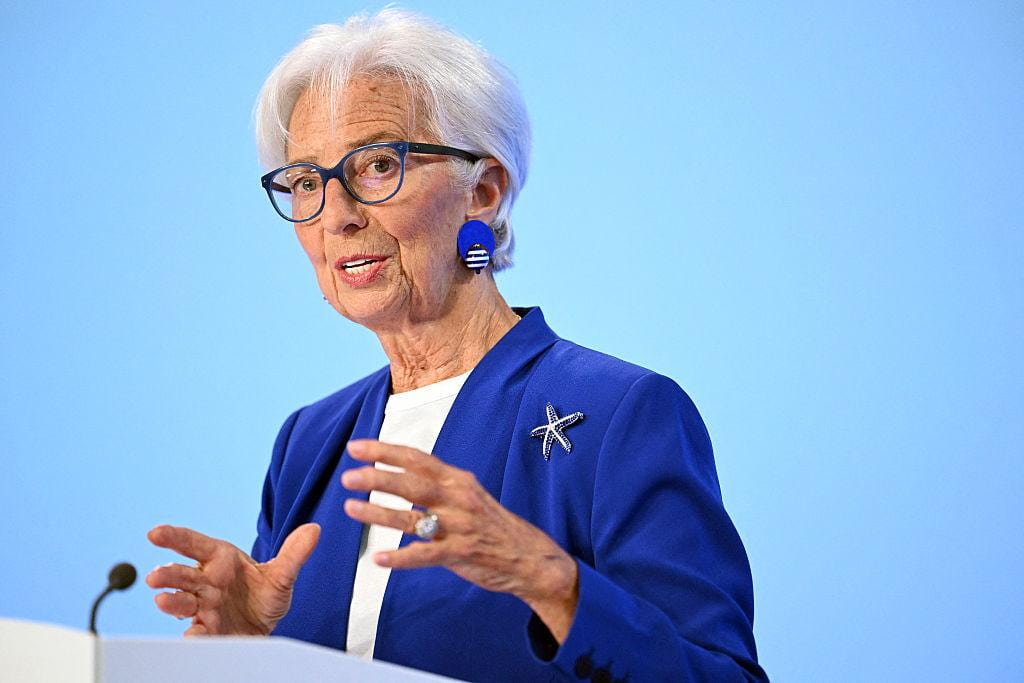
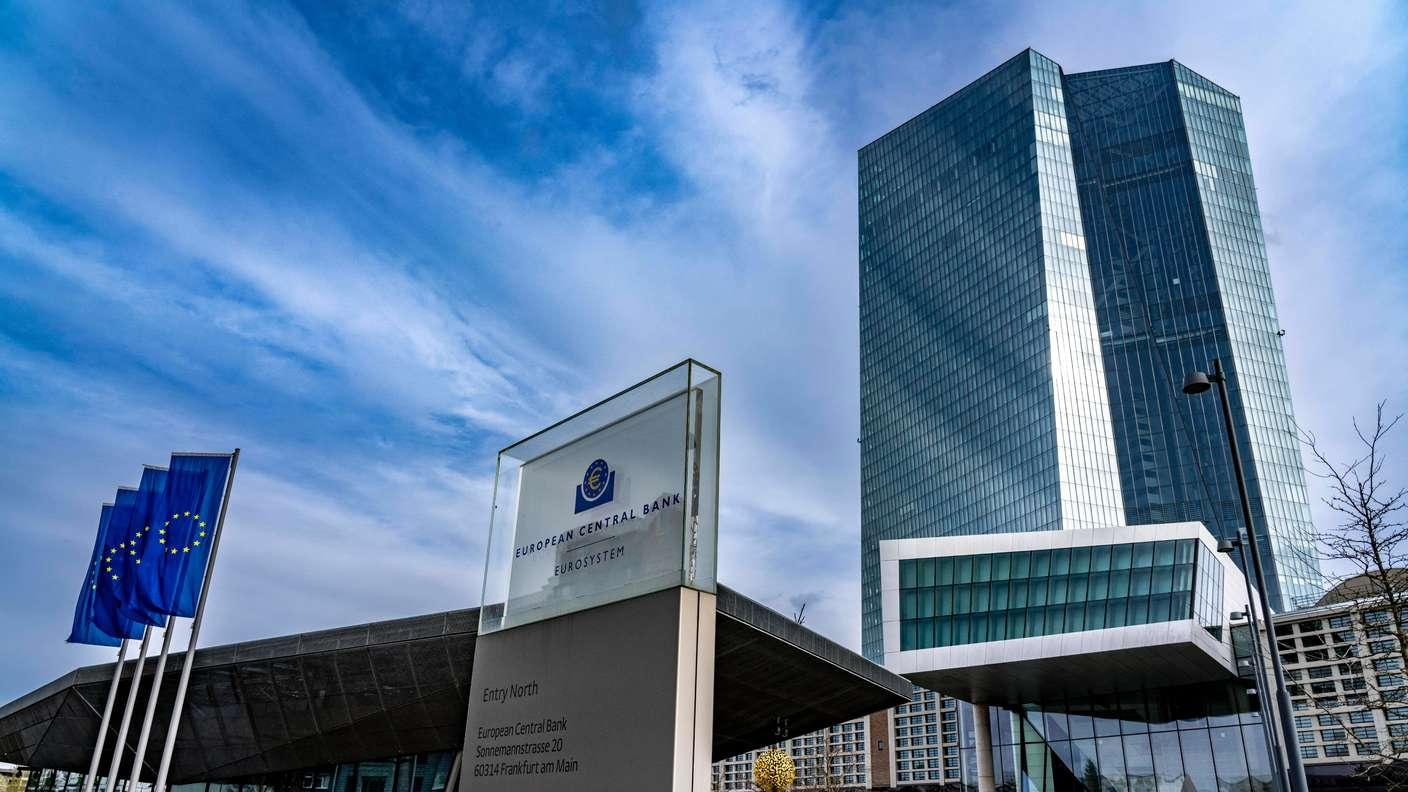
The ECB kept its deposit rate at 2.5% on 29 October after a hike in September. Christine Lagarde said that policymakers discussed another increase but agreed to wait for more data. Analysts at Ebury describe a December hike as very much live, and Oxford Economics expects two more increases.
The split in euro area inflation creates a real policy dilemma. Raising rates to cool Italy and France risks hurting Germany, where growth is weak and the fuel tax cut already holds prices down. Holding steady risks letting euro area inflation expectations drift in countries where energy bills are rising fastest.
For households, the lesson is that energy policy now shapes the inflation map as much as monetary policy does. Governments that shield consumers through tax cuts lower today’s reading but raise tomorrow’s risk when the support ends. The 4 November release will show whether euro area inflation is peaking or still climbing, and the Governing Council will take that answer into its December meeting.