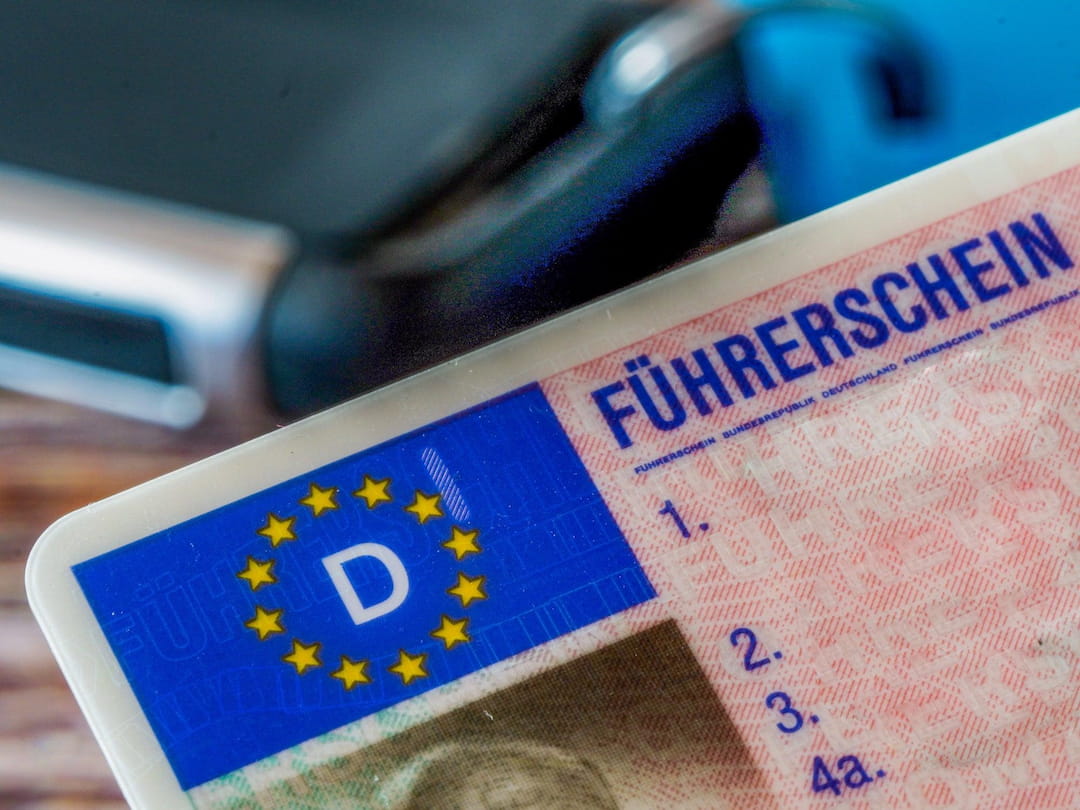
The new EU driving licence rules are moving from political agreement to national implementation, and the practical changes for millions of motorists are now clearer. Directive (EU) 2025/2205 rewrites the Union’s framework for who may drive, at what age and with which checks, while a Commission implementation strategy dated 29 July 2026 sets out how member states are expected to prepare.
The headline change is digital. The Council has said that by the end of 2030 a uniform mobile driving licence will be available to all EU citizens, held in the European Digital Identity Wallet and recognised in every member state. Drivers who prefer plastic will still be able to ask for a physical licence, so the digital licence is a convenience rather than a replacement for those who want a card.
Validity is the second major point. Licences for passenger cars and motorcycles will be valid for up to 15 years from issue, and for 10 years where the licence also serves as an identity card. Member states keep leeway on reduced validity for older drivers, and the driving licence rules require either a medical examination or a self-assessment-based screening when licences are issued, a step towards more harmonised health checks.
Young drivers are the third focus. The directive introduces a scheme that lets applicants obtain a licence before the usual minimum age while accompanied, with reports describing driving from 17 under the supervision of an experienced driver. Newly qualified drivers will also face a probation period of at least two years, during which stricter rules or sanctions should apply for driving under the influence of alcohol or drugs. How strict those penalties become will still depend on national law.
Professional driving is affected by the driving licence rules too. According to reporting on the Parliament vote of 21 October 2025, the minimum age for a truck licence falls from 21 to 18, conditional on a Certificate of Professional Competence, while the bus licence age falls from 24 to 21. Citizens living abroad also gain flexibility, since the Council notes they can take tests in their state of citizenship when tests are not offered in an official language of their country of residence.
Road safety is the justification behind the whole package of driving licence rules. The Council counts 20,400 deaths on EU roads in 2023, a fall of 1%, with preliminary 2024 figures pointing to a decrease of about 3%. Halving deaths by 2030 would need an annual reduction of at least 4.5%, so the current pace is not enough. The Union’s longer-term goal remains Vision Zero by 2050.
Critics of the reform argue that the driving licence rules leave too much discretion to capitals, particularly on penalties for novices and on medical screening. Supporters answer that a common floor of standards is already a step forward after decades of patchwork national practice. Sources also differ on some details, such as the exact scope of cross-border bans, so national transposition texts will matter.
For motorists, the message is that change will arrive gradually. Digital licences and longer validity will not appear overnight, and each government must now transpose the directive into national law. Until then, drivers should keep using their current licence, while watching how their own authorities apply the new driving licence rules in the coming years.