November 1, 2026
LATEST
International Climate Finance Hits 32.3 Billion Before COP31ByteDance Gatekeeper Appeal Meets A Hostile Court AdviserRail Passenger Travel Hits A Record 457 Billion KilometresMarket Stability Reserve Deal Raises ETS Cancellation Cap To 700M2035 Car CO2 Target Softened By Two Committees Before ENVI VoteEastern Libya Migration Funding Puts EU Border Policy Under StrainThailand EU FTA Talks Hinge On Public Procurement And Farm AccessBeef Quota Fight Shapes The EU Australia Trade DealDamascus Visit Tests EU Syria Relations After Sanctions ReliefJakarta Presses For EU Indonesia CEPA Signing By Year EndProcurement Gap Stalls EU Philippines Free Trade AgreementMeasles Vaccination Gaps In Europe Test The 95 percent TargetRussian Gas Phase-Out Leaves No Road Back For Nord StreamLagarde Successor Race Opens Ahead Of February 2027 ExitSmall Parcels Customs Duty Of €3 Per Category Reshapes EU Online TradeReturn Regulation Deal Lets Member States Open Hubs Outside EUDigital Omnibus on AI Pushes High-Risk Rules To December 2027Singapore Rules Put EU Singapore Digital Trade Agreement To WorkTbilisi Court Case Tests Georgia’s Frozen Path To The UnionLondon Revisits The Ukraine Loan After SAFE Talks CollapsedInternational Climate Finance Hits 32.3 Billion Before COP31ByteDance Gatekeeper Appeal Meets A Hostile Court AdviserRail Passenger Travel Hits A Record 457 Billion KilometresMarket Stability Reserve Deal Raises ETS Cancellation Cap To 700M2035 Car CO2 Target Softened By Two Committees Before ENVI VoteEastern Libya Migration Funding Puts EU Border Policy Under StrainThailand EU FTA Talks Hinge On Public Procurement And Farm AccessBeef Quota Fight Shapes The EU Australia Trade DealDamascus Visit Tests EU Syria Relations After Sanctions ReliefJakarta Presses For EU Indonesia CEPA Signing By Year EndProcurement Gap Stalls EU Philippines Free Trade AgreementMeasles Vaccination Gaps In Europe Test The 95 percent TargetRussian Gas Phase-Out Leaves No Road Back For Nord StreamLagarde Successor Race Opens Ahead Of February 2027 ExitSmall Parcels Customs Duty Of €3 Per Category Reshapes EU Online TradeReturn Regulation Deal Lets Member States Open Hubs Outside EUDigital Omnibus on AI Pushes High-Risk Rules To December 2027Singapore Rules Put EU Singapore Digital Trade Agreement To WorkTbilisi Court Case Tests Georgia’s Frozen Path To The UnionLondon Revisits The Ukraine Loan After SAFE Talks Collapsed

Court Finds Hungary And Czechia Breached The Right To A Lawyer

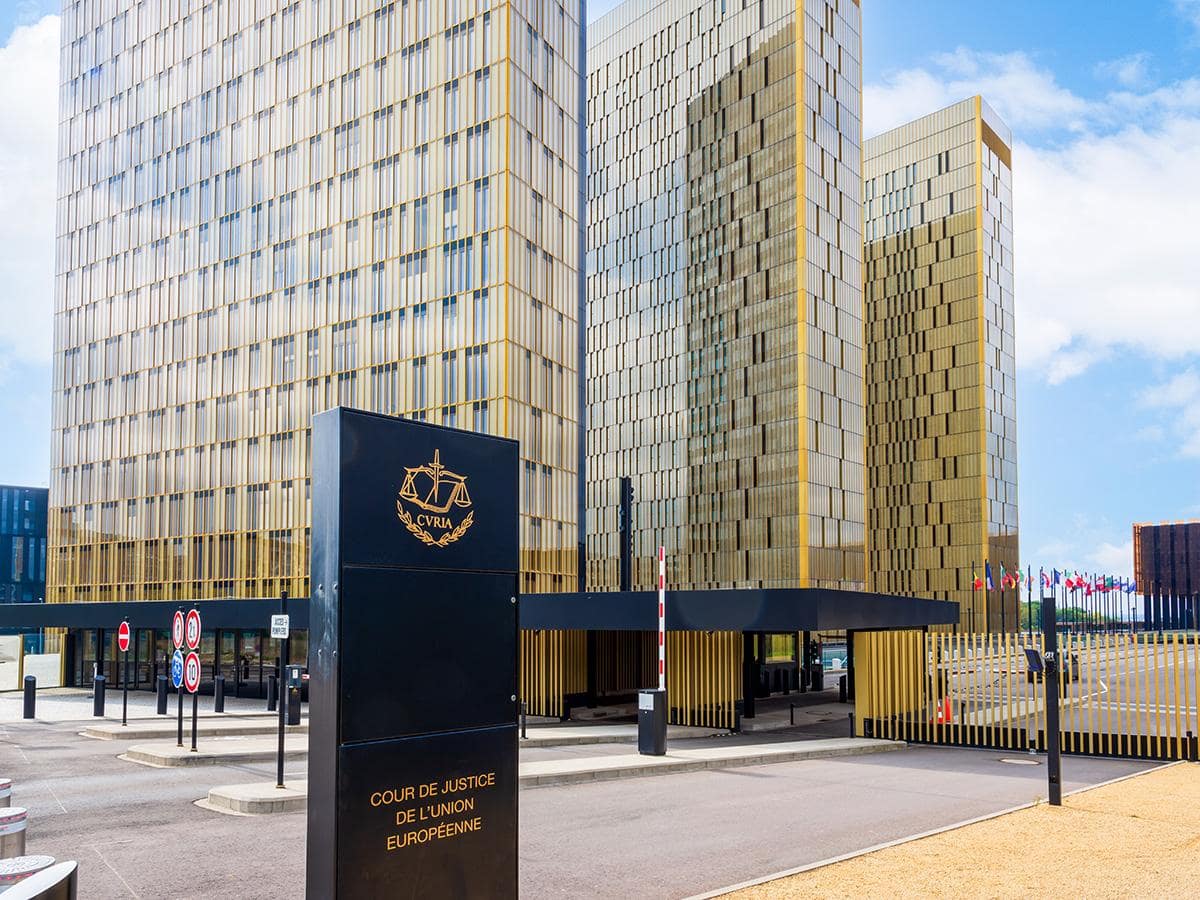
Brno: The Court of Justice of the European Union ruled on 22 October 2026 that Hungary and Czechia both breached the right to a lawyer guaranteed to suspects in police custody. The judgments in cases C-660/24 and C-681/24 upheld the European Commission’s infringement actions in full and leave both governments facing a possible bid for financial penalties.

The dispute centres on Directive 2013/48/EU, which sets out when a suspect may consult counsel and when police may question a person without one. Under Hungarian rules, officers could start questioning a suspect two hours after the lawyer was told that the person was in custody, whether or not the lawyer had arrived. Czech rules allowed questioning to begin 48 hours after custody started, or sooner if the lawyer could not be reached.

The judges found that neither rule fits the directive. The text lists the grounds on which a member state may temporarily derogate from the right to a lawyer, and the list is exhaustive. Hungary and Czechia had instead written general time limits that apply regardless of the circumstances of the case, which the Court said goes beyond what the directive tolerates.

Hungary lost on a second point as well. The Court held that it had failed to transpose the detailed rules on waiving the right to a lawyer, which are meant to ensure that a suspect gives up that protection knowingly and voluntarily. A waiver that a suspect does not fully understand offers little real protection in an interview room, and the directive was written to close that gap.

For defence lawyers, the rulings clarify that the right to a lawyer cannot be switched off by a fixed clock. Police may still delay access in narrow situations, such as an urgent need to avert serious harm to a person, but each delay must rest on a specific ground in the directive and on the facts of the individual case.

The judgments also matter for evidence. Statements taken from a suspect before a lawyer could attend risk being challenged in later trials, and national courts will now read their own rules in light of the Court’s reasoning. Prosecutors in both countries will have to review how they use interviews recorded under the old time limits.

The next step lies with the Commission. Having won both cases, it may return to the Court and ask for lump sums or periodic penalty payments if the two governments do not bring their criminal procedure into line with the directive. That route has been used before against states slow to comply with a ruling, and it is the practical lever behind the Commission’s decision to bring the actions.

The cases show how Brussels enforces procedural rights in criminal proceedings. The directive dates from 2013, yet disputes over how far police may go before a lawyer arrives are still being settled in court more than a decade later. For anyone arrested in Hungary or Czechia, the practical question is how quickly the legislators amend the rules, because the right to a lawyer now has to work as the Court described it.

Both capitals now have to decide whether to amend their codes of criminal procedure before the Commission moves again. The Court’s message is that the right to a lawyer in custody is a floor set by EU law, and that a national time limit cannot lower it.