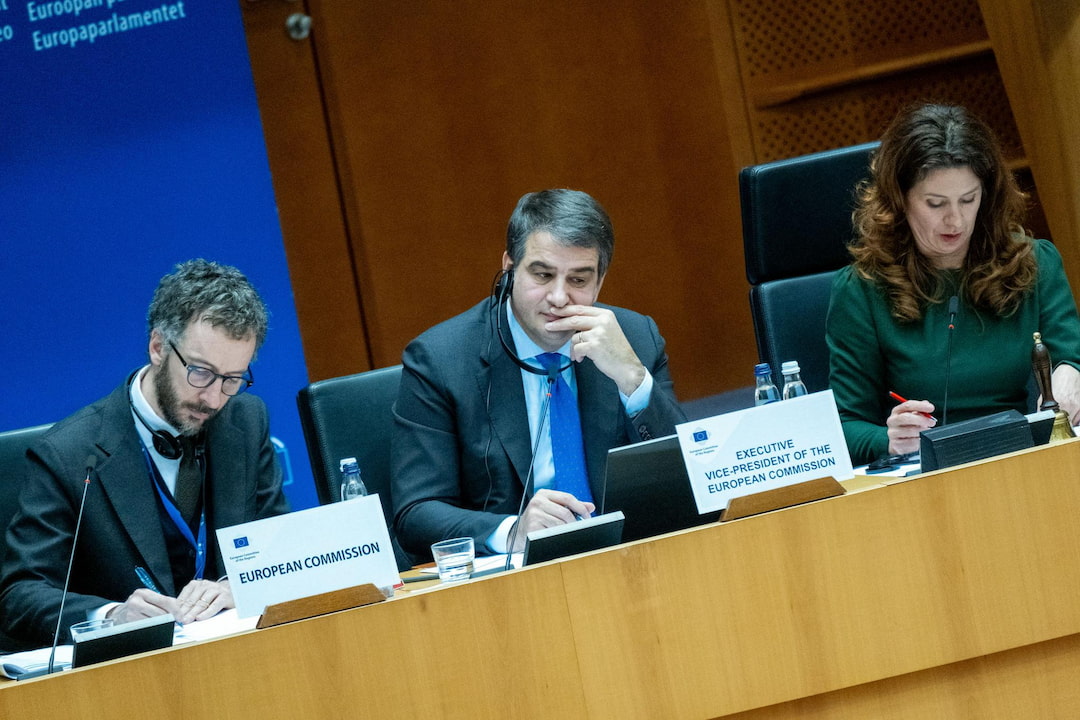
Strasbourg: Many member states still have not delivered their national restoration plans, and Environment Commissioner Jessika Roswall defended the Nature Restoration Regulation before the European Parliament on 20 October 2026. Draft national restoration plans were due on 1 September under Regulation (EU) 2024/1991. Roswall told MEPs the law gives enough flexibility for national, regional and local conditions, according to the forestry group FACE.
The count of submissions is contested. On 2 September, Eunews and News Tank reported that seven member states had filed: Austria, Bulgaria, Ireland, Luxembourg, the Netherlands, Portugal and Spain. Twenty had not. In early October, several MEPs said only nine of 27 countries had submitted, but that figure is the lawmakers’ claim, and the Commission confirmed only that some countries missed the deadline without giving a number.
Eunews named Italy, France, Germany and Poland among the late countries. Italy finished its consultation in July, the French Senate reported unfinished talks between ministries, Germany put a draft to public consultation in April without submitting it, and Poland is still working. France’s ministry told News Tank it would file within 15 days of 2 September, but this newsroom could not verify that it did.
The Commission has chosen patience over penalties. It said it wants to help capitals complete the work rather than immediately launch infringement proceedings, citing technical challenges and coordination across sectors. Together with the European Environment Agency, it will assess the drafts over the coming months and publish its observations. Final national restoration plans are due within a year, so in 2027.
The plans must show how each target will be met to 2030 and set out a strategic outlook for 2040 and 2050. They must also link restoration to water, climate, agriculture, forestry, marine and fisheries policy. The regulation requires restoration measures on at least 20 percent of EU land and sea by 2030, which makes the quality of national restoration plans more important than their arrival date.
Money drives much of the argument. Roswall said 6.5 billion euros of regional funds went to nature, biodiversity and Natura 2000, and about 15 percent has been spent. Luke Ming Flanagan of The Left asked how the law can work if governments will not pay for it, while Herbert Dorfmann of the European People’s Party wants more national and regional control. The Commission proposes counting national restoration plans toward a 35 percent climate and environment spending benchmark in the 2028-2034 budget, which is still under negotiation.
Environmental groups have so far offered little detail on the content of the drafts. Codruta Savu of WWF said on 2 September that the number of submissions could rise quickly, and no group has published a full assessment of the plans received. The UN biodiversity conference in Yerevan, running from 19 to 30 October, gives Ireland’s Council Presidency a stage, though that point comes from secondary reporting.
The next marker is the Commission’s published assessment. Until it appears, the number of countries that have filed national restoration plans will stay disputed, and the 2027 deadline will decide whether the law delivers on its 2030 targets.