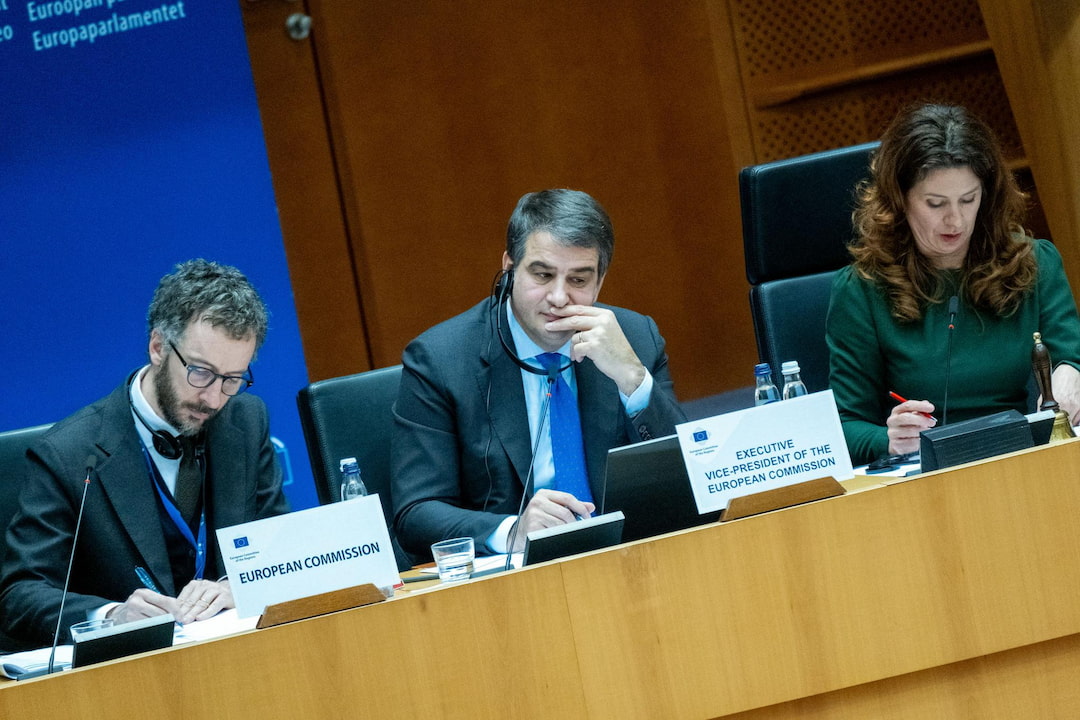
Porto: The Right to Stay strategy moved closer to the centre of EU regional policy this month, as Executive Vice-President Raffaele Fitto opened the 24th European Week of Regions and Cities on 12 October 2026. The Commission says it will adopt the Right to Stay strategy in early 2027, after a stakeholder process launched on 6 May 2026 and a call for evidence that closed on 5 June. The event, held under the motto Strong Regions, Strong Europe, drew about 5,000 participants over three days.
The Commission’s headline figure explains the urgency. Some 149 million people, or one in three Europeans, have lived in a region that lost population over the past two decades. The Right to Stay strategy aims to give people reasons to remain in those places through jobs, housing and services. It will follow this year’s territorial strategies for cities, eastern border regions, islands and coastal communities, and the outermost regions.
Parliament is pushing in the same direction. On 1 October the Regional Development Committee adopted a report by Denis Nesci, a member of the European Conservatives and Reformists group, calling for the Right to Stay strategy to become a central element of cohesion policy and the 2028-2034 budget. The report goes to the November plenary. The Committee of the Regions raised the same idea with cohesion ministers at an informal meeting in Dublin.
The harder fight concerns money. Committee of the Regions President Kata Tüttő rejected what she called an old and outdated view of cohesion, and she criticised the proposed 2028-2034 budget for merging agricultural and regional funding into one centralised envelope. Cutting cohesion, she said, means cutting investment in competitiveness. Fitto answered that cohesion must align with new priorities and that the Commission continues to work constructively to move negotiations forward.
Eunews reported that the Irish Council Presidency has proposed budget cuts that include reductions of 27.8 billion euros across the common agricultural policy and cohesion combined. The Council and Parliament decide the budget, and no dates are set. A larger cuts figure circulating online appears only in a related headline, so this newsroom does not rely on it.
The week also showed how the current period is changing. Regions and member states have voluntarily reallocated 34.6 billion euros of 2021-2027 cohesion money to competitiveness, housing, defence, water and energy resilience, with 15.2 billion euros going to competitiveness. On 14 October the Commission announced the REGIOSTARS 2026 winners from 274 applications, including a Slovak holopresence project and a Greek natural gas system that received more than 178 million euros from the regional fund. The People’s Choice Award went to the Porto Comprehensive Cancer Center in Portugal.
Future funding is expected to flow through National and Regional Partnership Plans, which would replace today’s separate programmes. Critics fear that such plans will give capitals more control than regions, and the argument over the Right to Stay strategy shows why. A strategy that promises to keep people in shrinking places needs a budget that reaches those places directly.
The next tests come soon. Parliament votes on the Nesci report in November, and ministers must decide how much of the proposed merger survives. Until then, the Right to Stay strategy remains a promise with a date but no price tag.