Pretoria: The South Africa clean trade partnership with the European Union has moved from signature to practice, as the two sides held their first government-to-government dialogue at senior official level, which the EU delegation announced on Monday 3 August 2026, according to The Brussels Times. The report gives no date for the meeting itself.
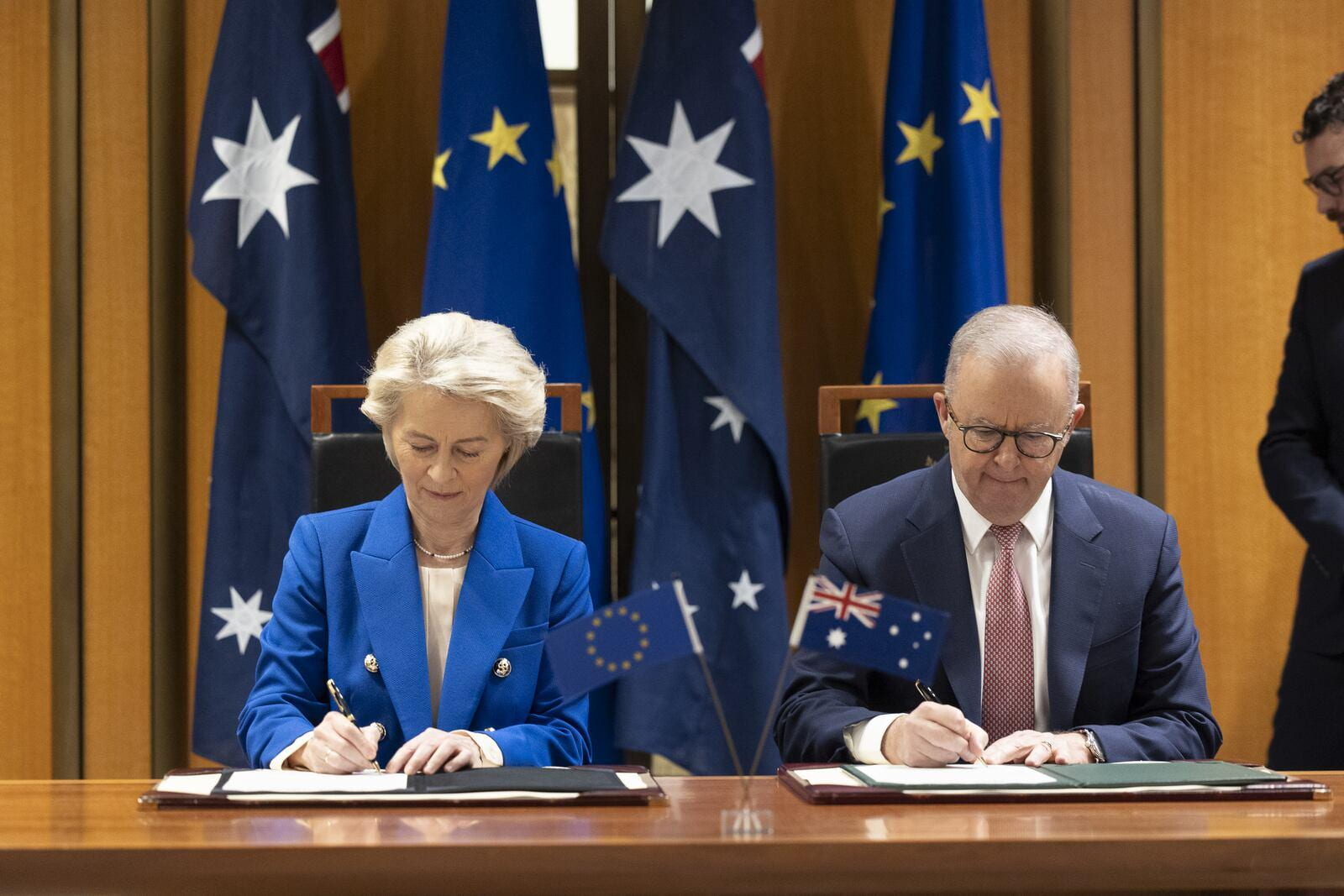
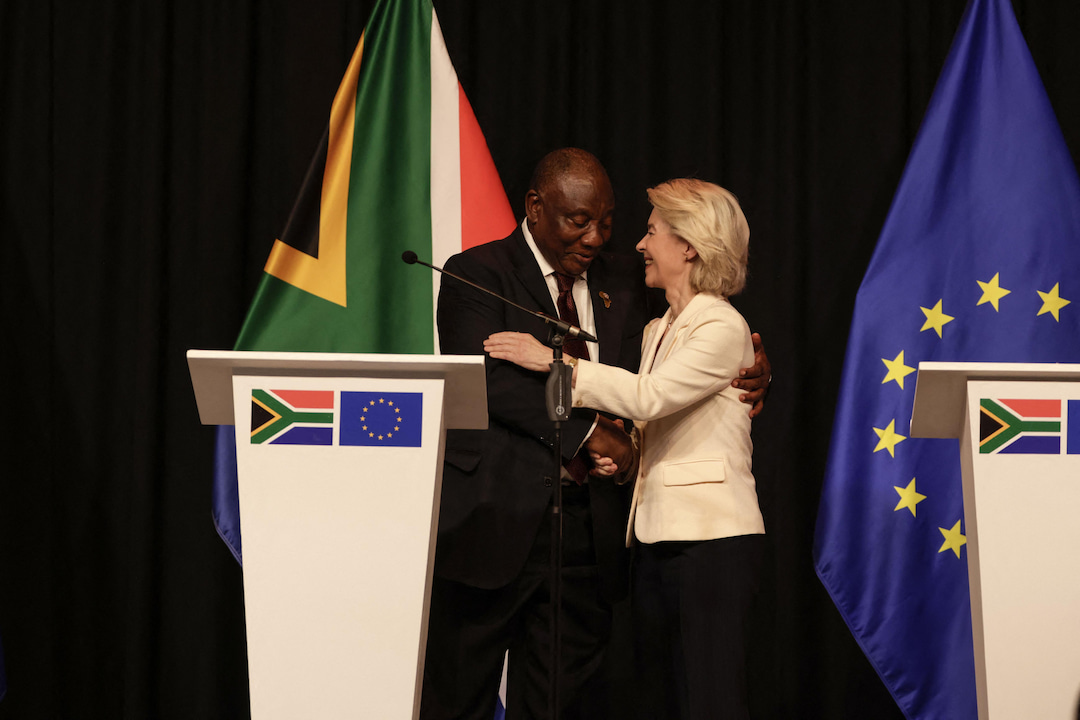
Formally the Clean Trade and Investment Partnership, the arrangement was endorsed on 20 November 2025 by Commission President Ursula von der Leyen and President Cyril Ramaphosa around the G20 summit in Johannesburg. Analysts at the NewClimate Institute describe it as the first of its kind and note that the underlying memorandum creates no binding obligations. The South Africa clean trade partnership stems from the EU Clean Industrial Deal and complements the Strategic Partnership, the EU-SADC Economic Partnership Agreement and South Africa’s Just Energy Transition Partnership.
The government dialogue has three focus areas: flagship projects, the business environment, and regulatory cooperation on climate and energy. Topics include renewable energy, green hydrogen, sustainable aviation fuels, critical raw materials and grid expansion. South Africa plans about 14,500 kilometres of new transmission lines over the next decade, which gives the grid a central place in the talks.
The business track began earlier. A first business-to-government dialogue on 3 March 2026, held around the Africa Energy Indaba, drew more than 150 representatives. Deputy Trade Minister Alexandra Abrahams opened it, and Maria Martin-Prat of the Commission’s trade directorate said the EU wants companies ready to invest and Global Gateway funding that reduces risk and draws in private capital. Recommendations were due to reach the government dialogue later in the year.
Money is where the South Africa clean trade partnership will be judged. NewClimate notes a €4.7 billion Global Gateway package, expanded to nearly €12 billion at the October 2025 Global Gateway Forum, though it warns that the figures combine repackaged initiatives with new commitments. Trade between the EU and South Africa totalled €45 billion in 2025, and the EU accounts for more than 40 percent of foreign direct investment, according to The Brussels Times.
The EU delegation lists four forms of help for companies: investment facilitation, case-by-case work on trade barriers such as licensing and permits, transparent access to public procurement in clean sectors, and regulatory cooperation. NewClimate suggests giving partnership investments Strategic Integrated Project status to speed permitting, and it recommends early-win projects and shared standards for clean products.
What happens next is practical. The South Africa clean trade partnership needs visible projects, a pipeline of bankable investments and clearer answers on local content and market access rules. As the NewClimate authors put it, credibility now depends on follow-through. Companies that want guidance can contact the EU delegation’s trade team, and the first signed projects will show whether the South Africa clean trade partnership delivers more than dialogue.