Redu: The Space Act is still far from finished, according to the Cypriot Presidency of the Council, after space ministers reviewed progress on the proposal on 29 May 2026. The Commission presented the regulation in June 2025, and governments have since made headway on definitions, on rules for space services and space-based data, and on links with third countries. Governance has also been simplified, yet the hardest questions remain open.
Minister Nicodemos Damianou told colleagues that there is still a great deal of work to do. He named two sticking points, namely the scope of the text and the treatment of dual-use activities, which serve civilian and military purposes at once. National security is a member state competence, so the Presidency says a balance must be found and the Space Act must not create an extra layer that duplicates national procedures that already work well.
Germany voiced the sharpest criticism. Deputy Permanent Representative Helen Winter said the legislation remains unsatisfactory because Berlin’s concerns and the positions of other capitals are not being sufficiently taken into account. She asked for a technologically open, risk-based approach that avoids undue burdens on industry. France struck a similar note on national prerogatives, with Minister Philippe Baptiste stressing launches and the problem of international liability.
Other delegations pulled the Space Act in different directions. Poland wants effective European governance with safeguards for member states, while Denmark’s Christina Egelund asked for technical requirements based on established standards, with the emphasis on safety and debris mitigation and an exemption for defence. Italy’s ambassador Marco Canaparo said the regime for third countries must be clear and practical, adding that the point is not to penalise anyone.
Commissioner Andrius Kubilius defended the Commission’s line on the Space Act. He wants minimum harmonisation of governance structures and mutual recognition of technical assessments, and he argued that dual-use satellites face the same debris, collision and vulnerability risks as any other, so the technical obligations must be identical. He hoped for an agreement under the Irish Presidency in the second half of 2026.
The ministers also discussed a separate proposal, a regulation for the EU Agency for the Space Programme, which the Commission tabled in April 2026. Member states have completed an article-by-article examination, and the Security Accreditation Board’s independence remains a major concern for many of them. The Irish Presidency will draw up the first compromise text on that file.
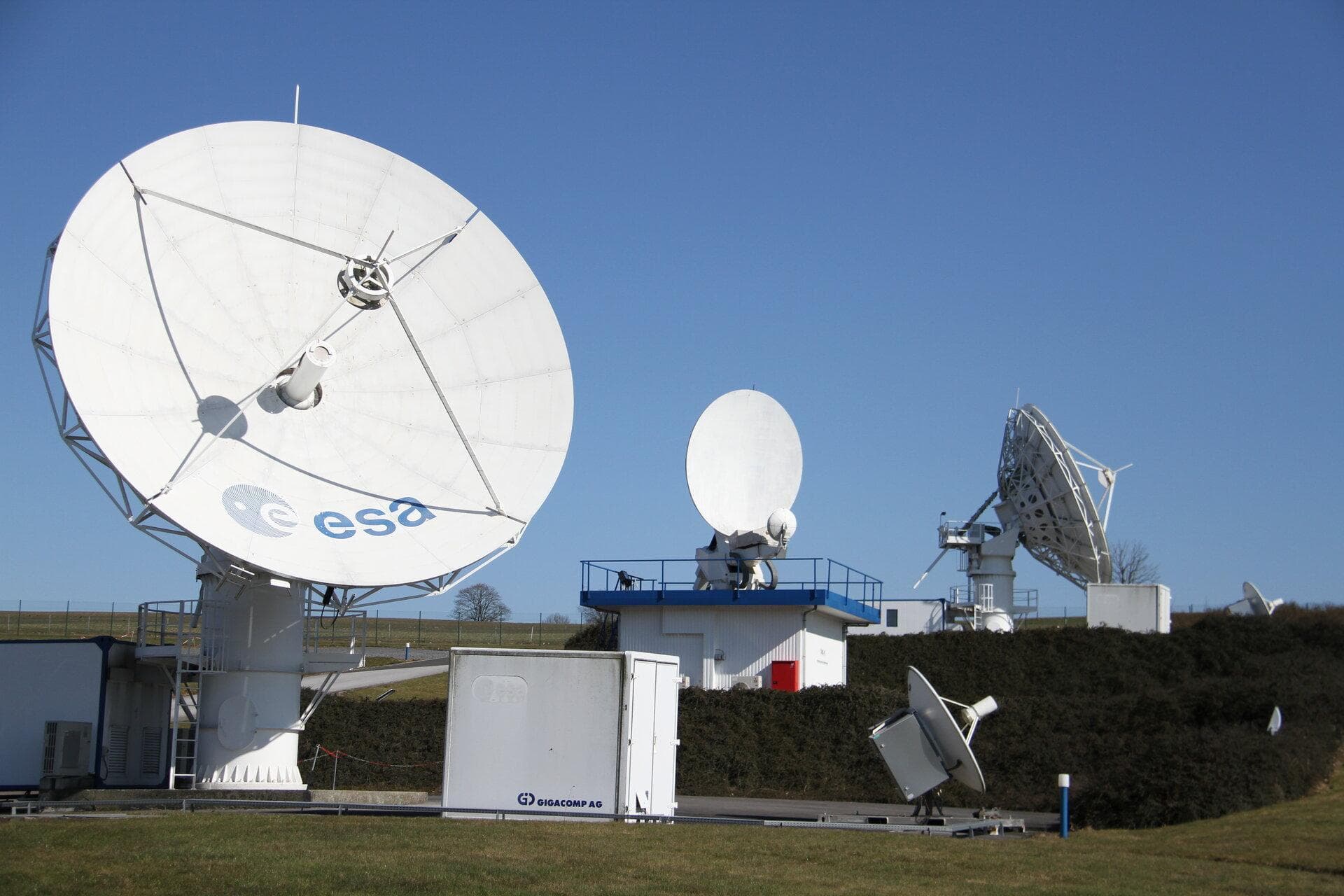
On the same day the Commission announced that the Union had taken possession of the RED-1 ground antenna at the Redu space centre in Belgium. The antenna is essential to Galileo and was previously owned by the European Space Agency, and two agreements settled the transfer and kept it at its current site. France also announced an international space summit in Paris on 9 and 10 September 2026.
For industry the message is cautious. Operators and launch companies cannot plan around the Space Act until the dual-use question and the third-country regime are settled, and a deal under the Irish Presidency would require movement from Berlin and Paris. The next compromise text will show whether the Space Act can reach agreement in 2026 or slips into the following year.