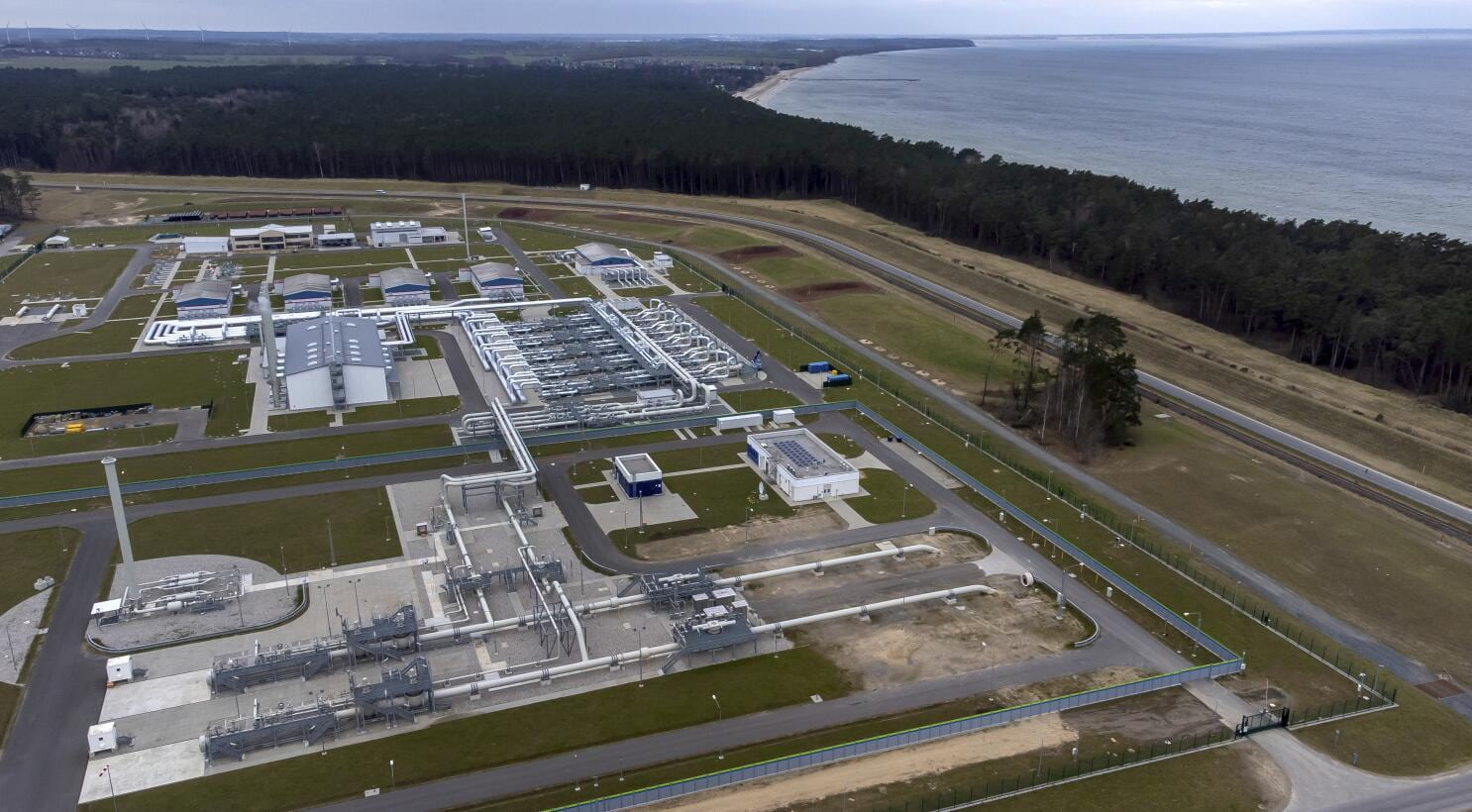
Luxembourg: The Nord Stream 2 appeal ended in defeat on 5 November 2026, when the Court of Justice of the European Union dismissed the pipeline company’s challenge to the extension of EU internal gas market rules to pipelines from third countries. The ruling in case C-118/25 P upholds a General Court judgment of November 2024 and leaves the operator without a route to escape the unbundling and third-party access obligations that apply to import pipelines.
The company had contested a directive that applies the internal gas market framework to pipelines linking the EU with non-member countries. In practice, the rules require separation between gas supply and transport and open access for third parties. The pipeline has never operated, a result of Russia’s aggression against Ukraine and of sabotage, yet the operator argued that the legislation should not bind it.
The Court did not accept that argument. It found that the operator had received no assurances that the rules would stay out of reach, and that applying them avoids a legal vacuum for an infrastructure project that sits in a regulatory grey zone. The judges also confirmed that the rules extend into territorial waters, which matters for any subsea link that enters EU jurisdiction.
The directive contains a derogation for pipelines completed before 23 May 2019. Nord Stream 2 was not finished by that date, so the derogation could not shelter it. The Nord Stream 2 appeal therefore turned on whether the legislator may legitimately treat a project still under construction differently from one already in service, and the Court answered yes.
For energy lawyers, the judgment settles a question that had hung over the project for years. Regulators in the Member States can now point to a final ruling when they assess any future import pipeline, and investors will read the decision as a sign that EU gas rules apply to the whole route, not only to the landward section.
The ruling also carries a political message in 2026. Brussels has spent recent years reducing its dependence on Russian gas, and the Court’s reasoning reinforces that direction without relying on sanctions law. It rests on the internal market framework, which gives the decision a durable legal footing that does not depend on the geopolitical mood of the day.
Observers should keep the scope of the decision in view. The Court examined a legislative choice, and it did not rewrite the market rules. The Nord Stream 2 appeal sought to carve out an exception for one pipeline, and the judges declined to create a special regime for a project that the legislator had deliberately left outside the derogation. That reasoning will guide regulators who face similar claims from other infrastructure owners in 2026 and beyond. Legal commentators expect the Nord Stream 2 appeal ruling to be cited in future disputes over third-country gas links.
Nothing in the judgment revives the project. The pipeline remains idle, and the practical effect of the Nord Stream 2 appeal outcome is to close a long-running legal file rather than to open a new commercial chapter. National regulators and the Commission can now treat the question of regulatory coverage as settled.