November 10, 2026
LATEST
Europe’s Public Procurement Act Bets On PreferenceOmya Antitrust Investigation Targets Exclusive RebatesAdvertising Repositories Guidance Puts Platform Ads In ViewAzerbaijan Partnership Talks Need More Than Gas And ConnectivityGulf Trade Deal Hopes Rest On The Next EU-GCC Summit DecisionTrans-Caspian Transport Corridor Needs Roads Before Rail DreamsKorea Digital Trade Agreement Gives Brussels an Asian TemplateMercosur Provisional Application Starts a Long Court WaitEU Australia Trade Agreement Leaves Farmers Relying on SafeguardsConsumer Enforcement Reform Rides With Digital Fairness ActAtlantic Hake and Sea Bream Face Cuts in 2027 Fishing Quotas2027 EU Budget Talks Race Towards Treaty Deadline of 16 NovemberEU Civil Protection Mechanism Targets Ukraine Energy EmergencyEurogroup Defence Spending Call Pushes Governments to Reorder BudgetsKallas Tells London EU UK Defence Cooperation Must Come FirstGeorgia Democratic Backsliding Pushes Tbilisi Toward EU ShowdownWater Resilience Strategy Faces Its Year-End Delivery TestNvidia General Court Ruling Tests EU Merger Referral PowerChips Act 2.0 Shifts Europe’s Chip Bet From Supply To DemandDigital Fairness Act Proposal Due This Quarter As Dark Patterns LastEurope’s Public Procurement Act Bets On PreferenceOmya Antitrust Investigation Targets Exclusive RebatesAdvertising Repositories Guidance Puts Platform Ads In ViewAzerbaijan Partnership Talks Need More Than Gas And ConnectivityGulf Trade Deal Hopes Rest On The Next EU-GCC Summit DecisionTrans-Caspian Transport Corridor Needs Roads Before Rail DreamsKorea Digital Trade Agreement Gives Brussels an Asian TemplateMercosur Provisional Application Starts a Long Court WaitEU Australia Trade Agreement Leaves Farmers Relying on SafeguardsConsumer Enforcement Reform Rides With Digital Fairness ActAtlantic Hake and Sea Bream Face Cuts in 2027 Fishing Quotas2027 EU Budget Talks Race Towards Treaty Deadline of 16 NovemberEU Civil Protection Mechanism Targets Ukraine Energy EmergencyEurogroup Defence Spending Call Pushes Governments to Reorder BudgetsKallas Tells London EU UK Defence Cooperation Must Come FirstGeorgia Democratic Backsliding Pushes Tbilisi Toward EU ShowdownWater Resilience Strategy Faces Its Year-End Delivery TestNvidia General Court Ruling Tests EU Merger Referral PowerChips Act 2.0 Shifts Europe’s Chip Bet From Supply To DemandDigital Fairness Act Proposal Due This Quarter As Dark Patterns Last

Omya Antitrust Investigation Targets Exclusive Rebates

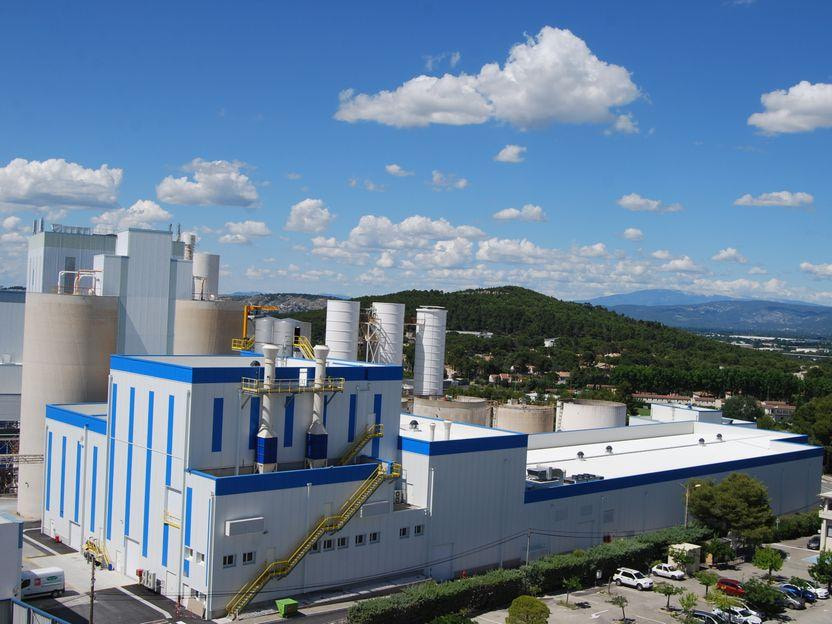
The European Commission’s Omya antitrust investigation, announced on 23 October 2026, puts one of Europe’s quietest industrial supply chains under the competition microscope. Brussels suspects that the Swiss-based minerals group may have abused a dominant position in the supply of calcium carbonates to the paper industry. The Commission says it will handle the case as a matter of priority, although opening proceedings does not prejudge the outcome.

Calcium carbonates are mineral fillers and coating pigments used in papermaking. Omya is described as the largest supplier of these products in the European Economic Area and may hold a dominant position there. Dominance is not illegal in itself, but Article 102 of the Treaty on the Functioning of the European Union and Article 54 of the EEA Agreement prohibit companies from abusing that strength, if the allegations are proven.

Within the Omya antitrust investigation, the Commission’s concerns fall into two categories. The first is exclusive purchasing obligations, under which customers would have to buy all or most of their calcium carbonates from Omya. The second is exclusivity rebates, which are financial incentives granted in return for such loyalty. Officials worry that both practices could limit the ability of rival suppliers to compete for customers, leaving paper producers with fewer choices and weaker bargaining power.

The case also carries a wider industrial meaning. Executive Vice-President Teresa Ribera called calcium carbonates key to Europe’s paper and cardboard industry, a sector that competes with imports and watches its costs closely. A supplier relationship that locks buyers in can raise those costs further. The decision to treat the case as a priority suggests the Commission sees urgency in clearing this supply chain.

Rebate cases have a complicated history in EU competition law. Courts have asked the Commission to analyse whether a rebate scheme is capable of foreclosing competitors, rather than treating loyalty discounts as automatically unlawful. The Omya antitrust investigation will therefore require detailed data on contracts, prices and customer switching. Cases of this kind usually take years, and the Commission has set no legal deadline for concluding the file.

If the Omya antitrust investigation ends with an infringement finding, the Commission can order the company to stop the conduct and impose a fine of up to 10 percent of worldwide annual turnover under the general competition rules. It can also accept commitments that change contract terms. No fine or finding exists at this stage, and Omya will have the opportunity to respond to the allegations.

Paper makers, rival mineral suppliers and procurement teams will watch the Omya antitrust investigation closely. It will show how the Commission applies exclusivity rules to an industrial input market, and whether customers feel free to speak up about the contracts they have signed.