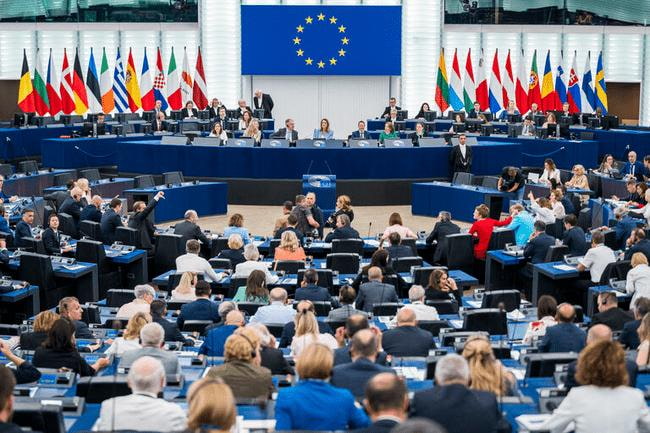
Valletta: The revised tobacco taxation directive failed to win final approval on 9 November 2026, when Malta withheld the consent that 26 other member states were ready to give at the Economic and Financial Affairs Council in Brussels. Irish Finance Minister Simon Harris, who chaired the meeting for the Council presidency, said the Council could not close the file that day.
Harris did not hide his frustration. “I regret that Malta is not yet in a position to give its consent,” he said, according to LaPresse. He added that tax matters require unanimity, but that “we are talking about public health here”.
Unanimity explains why one government can stop 26 others. Excise duties count as tax matters, so every member state holds a veto over the tobacco taxation directive, and Malta is the only capital that has not yet agreed. Eunews reports that Finland and Estonia, both critical at first, eventually fell into line behind the Irish compromise.
The Commission proposed the review in July 2025 as part of the European Plan against Cancer. It updates a framework that has stayed largely unchanged since 2011, and it aims to raise minimum rates, narrow tax gaps between member states and tighten controls on raw tobacco to fight illicit trade. The proposal also extends the rules to e-cigarettes, heated tobacco products and nicotine pouches.
Harris described the stakes in strong terms. He called the situation a public health emergency that affects nicotine pouches, vaping devices and traditional tobacco alike, and he wants the tobacco taxation directive adopted under his presidency. Eunews says the Irish presidency will keep working with the one opposed country without reopening the whole negotiation.
Malta’s reasons remain unclear in official accounts. Eunews does not state them, while GINN, a group aligned with the nicotine industry, reports that Malta objects to minimum rates above its existing national levels and fears a disproportionate effect on its market. GINN also reports that Sweden and Finland agreed nicotine pouches fall within scope, and that the final minimum rate would be set in a later review instead of through phased increases. Readers should treat that account with caution, because the group advocates for the industry.
The next steps look short. Ministers expect to return to the tobacco taxation directive in December, and Eunews notes optimism about a bilateral arrangement with Malta in the coming days. GINN reports that talks could target the 11 December Council meeting, and that the file would pass to the Lithuanian presidency in January 2027 if no deal emerges. The Irish presidency wants to conclude the file before leaders finish the next long-term budget.
Until Malta moves, the current rules stay in force and the tobacco taxation directive has no legal effect. Manufacturers of vapes, heated tobacco and pouches face no new EU minimum rates yet, and finance ministries cannot plan revenue around the proposal. Public health groups, who pushed for the 2025 proposal, now wait for a single capital to change its mind.
The Council’s excise duties page tracks the file. For now, the tobacco taxation directive has a 26-to-1 majority in practice and no legal effect, and the December meeting will show whether one veto can hold out against that pressure.