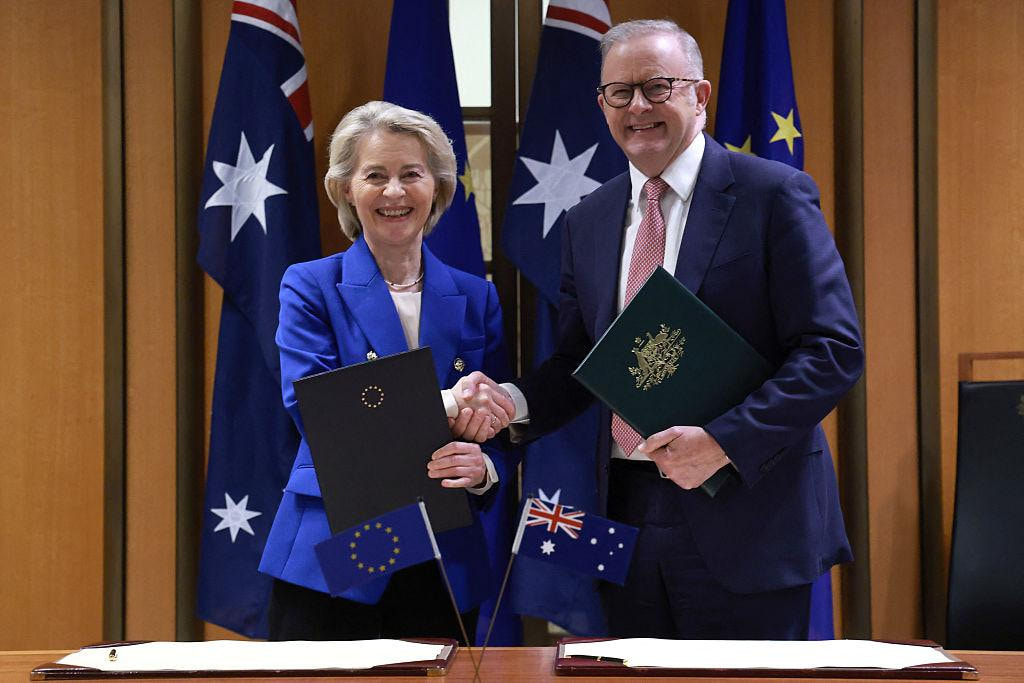
Jakarta: The Indonesia EU CEPA now has a signing target of 21 November 2026, and the date matters because a trade preference that Indonesian exporters rely on is due to lapse soon afterwards. Coordinating Minister Airlangga Hartarto announced the target at a press conference in Jakarta on 5 November, saying the government hopes to sign this month and to secure access before the EU’s Generalised System of Preferences expires, which Indonesian reporting dates to 1 January 2027.
The date has already slipped once. An earlier goal of the end of October passed without a signature, and Hartarto tied the delay to finishing the English legal text. He had also said in September that Commission President Ursula von der Leyen and Trade Commissioner Maroš Šefčovič planned to visit Indonesia, yet no visit date had been announced when I reviewed the coverage. For readers following the Indonesia EU CEPA, the three markers to watch are the finished English text, the Commission’s proposal to the Council and a confirmed visit.
The commercial case is large. According to ANTARA, the Indonesia EU CEPA is expected to liberalise about 98 percent of tariff lines, covering 99.5 percent of bilateral import value, within a market of roughly 450 million consumers. Indonesian officials point to palm oil derivatives, footwear, textiles and fishery products as the exports that stand to gain, while Jakarta would cut or remove duties on EU goods such as wood pulp, aircraft components, railway equipment and fertilisers.
The sources differ on details, which is a reason for caution. One report says the EU would remove duties on 98.5 percent of its tariff lines, and Indonesian commentary suggests about 90 percent of Indonesian products could enter at zero tariff on the first day, with the rest phased out. The expiry date of the preference scheme is also described as 1 January 2027 in one account and as the end of 2026 or sometime in 2027 in another, so exporters should wait for the Commission’s own text before planning shipments.
The political hurdles sit in Brussels and in Jakarta. Under the Indonesia EU CEPA, the European Parliament must give its consent after the legal review, and Indonesian lawmakers still need to agree how ratification will work. Neither institution has published a firm timetable, and Hartarto’s expectation that the Indonesia EU CEPA will enter into force in early 2027 therefore depends on a fast and uncontested process.
Sustainability is the likely flashpoint. Jakarta is pressing for access for sustainable palm oil and its derivatives, a sector that has caused friction with the EU for years, and analysts warn that deforestation rules could provoke fresh disputes, as the Mercosur case showed. European negotiators have an interest in critical mineral processing, batteries and renewable energy supply chains, and those interests give both sides a reason to find a compromise.
A gap between the preference expiry and the entry into force of the Indonesia EU CEPA would raise duties for Indonesian exporters for a period, and it would weaken the argument that diversification pays off. The next two weeks will show whether the 21 November signing holds, and whether Brussels can convert a political date into a legal text that Parliament will accept in 2027.