November 10, 2026
LATEST
Indonesia EU CEPA Signing Races a January Tariff CliffCustoms Reform Makes Online Platforms Answer As Importers In EUCivil Protection Mechanism Carries Ukraine’s Winter NeedsGeographical Indications Dialogue Tests EU Farm Brand DefenceTobacco Taxation Directive Stalls As Malta Alone Withholds ConsentAkzoNobel Axalta Merger Clears Brussels With Refinish SalePhilippines Trade Deal Tests Brussels on Human Rights PledgesAkzoNobel Axalta Merger Cleared With Refinish SaleAir Passenger Rights Reform Keeps Three-Hour ThresholdCritical Medicines Act Deal Favours Made-in-EU SupplyDigital Euro Holding Caps Face Trilogue Test After ECON Committee VoteRule of Law Report 2026 Credits Hungary Reforms But Doubts RemainReturn Regulation Extends Detention To Two Years And Bans To TenEurope’s Public Procurement Act Bets On PreferenceOmya Antitrust Investigation Targets Exclusive RebatesAdvertising Repositories Guidance Puts Platform Ads In ViewDeforestation Rules Reach Large Operators On 30 December DeadlineKIDS Act Proposal Sets Age 15 Limit For Social Media AccountsAzerbaijan Partnership Talks Need More Than Gas And ConnectivityGulf Trade Deal Hopes Rest On The Next EU-GCC Summit DecisionIndonesia EU CEPA Signing Races a January Tariff CliffCustoms Reform Makes Online Platforms Answer As Importers In EUCivil Protection Mechanism Carries Ukraine’s Winter NeedsGeographical Indications Dialogue Tests EU Farm Brand DefenceTobacco Taxation Directive Stalls As Malta Alone Withholds ConsentAkzoNobel Axalta Merger Clears Brussels With Refinish SalePhilippines Trade Deal Tests Brussels on Human Rights PledgesAkzoNobel Axalta Merger Cleared With Refinish SaleAir Passenger Rights Reform Keeps Three-Hour ThresholdCritical Medicines Act Deal Favours Made-in-EU SupplyDigital Euro Holding Caps Face Trilogue Test After ECON Committee VoteRule of Law Report 2026 Credits Hungary Reforms But Doubts RemainReturn Regulation Extends Detention To Two Years And Bans To TenEurope’s Public Procurement Act Bets On PreferenceOmya Antitrust Investigation Targets Exclusive RebatesAdvertising Repositories Guidance Puts Platform Ads In ViewDeforestation Rules Reach Large Operators On 30 December DeadlineKIDS Act Proposal Sets Age 15 Limit For Social Media AccountsAzerbaijan Partnership Talks Need More Than Gas And ConnectivityGulf Trade Deal Hopes Rest On The Next EU-GCC Summit Decision

Civil Protection Mechanism Carries Ukraine’s Winter Needs

The EU Civil Protection Mechanism moved to the centre of Europe’s Ukraine winter response on 9 November 2026, when representatives of the European Commission and Ukraine met to identify the country’s most urgent needs after Russian attacks on critical infrastructure. President Volodymyr Zelenskyy said he and Commission President Ursula von der Leyen had agreed by phone to activate a special EU mechanism for emergency assistance.

Humanitarian Commissioner Hadja Lahbib held a detailed conversation with Ukraine’s prime minister the same day, according to Commission spokesperson Eva Hrncirova. A second call on the Civil Protection Mechanism was scheduled for 10 November, and Hrncirova said it was expected to produce a detailed assessment of what is needed and where. The stated aim is practical: keep the power on, keep hospitals running and sustain essential services, with the right aid going to the right place.

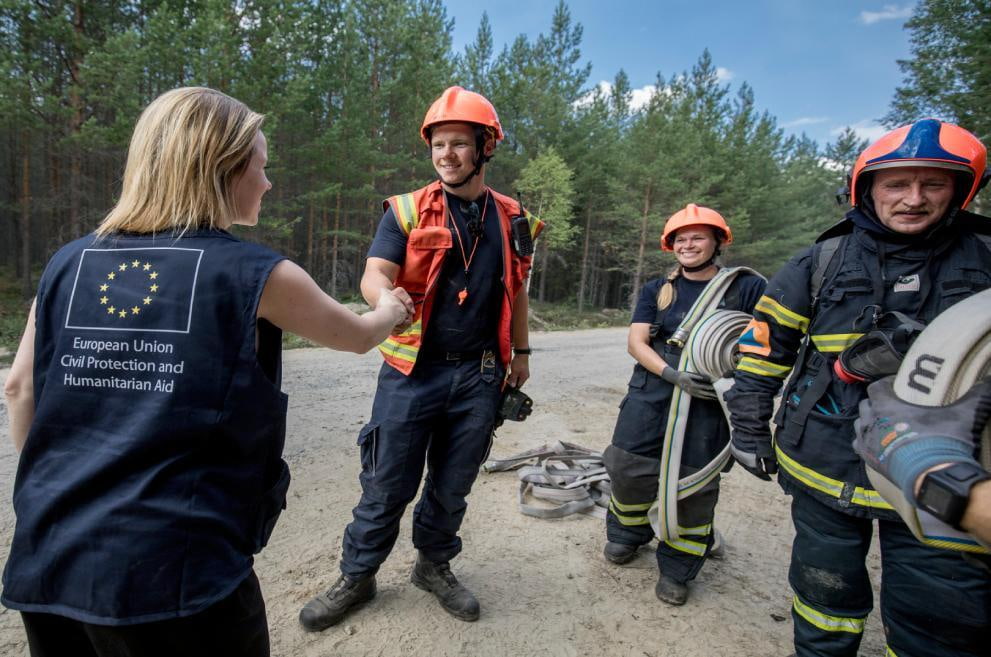
The Civil Protection Mechanism works as a matching system. A country in crisis states what it needs, and participating states and the Commission coordinate offers of equipment and expertise to meet those requests. That design explains why the 9 November meeting focused on needs first. Without a precise list from Kyiv, offers risk piling up in the wrong place or arriving in the wrong form.

One striking detail came from Hrncirova’s briefing: the EU has dismantled an entire power plant in order to transport it to Ukraine and use it to assemble the energy infrastructure the country requires. She also said the winter plan was announced by von der Leyen in February. Alongside in-kind help, the Commission pointed to nearly 1.5 billion euros in humanitarian aid allocated to Ukraine since the start of the war, including an additional 52 million euros announced in September, and more than 200 million euros in humanitarian aid for 2026.

Member states are adding their own contributions. Slovakia plans 1 million euros for generators, shelters and medical equipment, according to reporting from 5 November, while the Dutch government has allocated 1.2 billion euros in non-military aid over three years, reported on 28 October. These national gestures matter most when they feed into a coordinated channel rather than running in parallel to the Civil Protection Mechanism.

The same toolbox is being strengthened at home. On 3 November 2026, Lahbib presented Population Preparedness Guidelines at the European Civil Protection Forum, built around 72-hour self-sufficiency, preparedness education, disability-inclusive planning and clear risk communication. The Commission also proposed an annual EU Preparedness Day on 23 October from 2027, marking the date the mechanism was established in 2001, now 25 years ago.

The Civil Protection Mechanism is thus being tested on two fronts at once: as an emergency lifeline for Ukraine this winter and as the backbone of a more prepared Union. The measure of success will be simple. If Kyiv’s needs assessment turns quickly into deliveries that keep homes heated and hospitals powered, the mechanism will have proved its worth in 2026.