Sofia: The European Commission on 19 November 2026 sent letters of formal notice to Bulgaria, Greece, Malta and Poland for failing to designate or notify EUDR competent authorities, the national bodies that must enforce the EU Deforestation Regulation against imports linked to forest loss.
Under Regulation (EU) 2023/1115, every member state had to name its EUDR competent authorities and inform the Commission by 30 December 2023. Almost three years later, the four governments still have gaps, according to the Commission’s November infringements package. Each capital now has two months to respond before Brussels can escalate.
The cases differ in scale. “Bulgaria designated competent authorities for all commodities covered by the EUDR except rubber,” the Commission said, a point that Bulgarian news agency BTA reported on Thursday alongside a second Bulgarian case on non-cash payment fraud.
The other three countries face a broader charge. “Greece, Malta and Poland did not designate competent authorities and/or did not notify the Commission of those authorities,” the Commission stated in its decision.
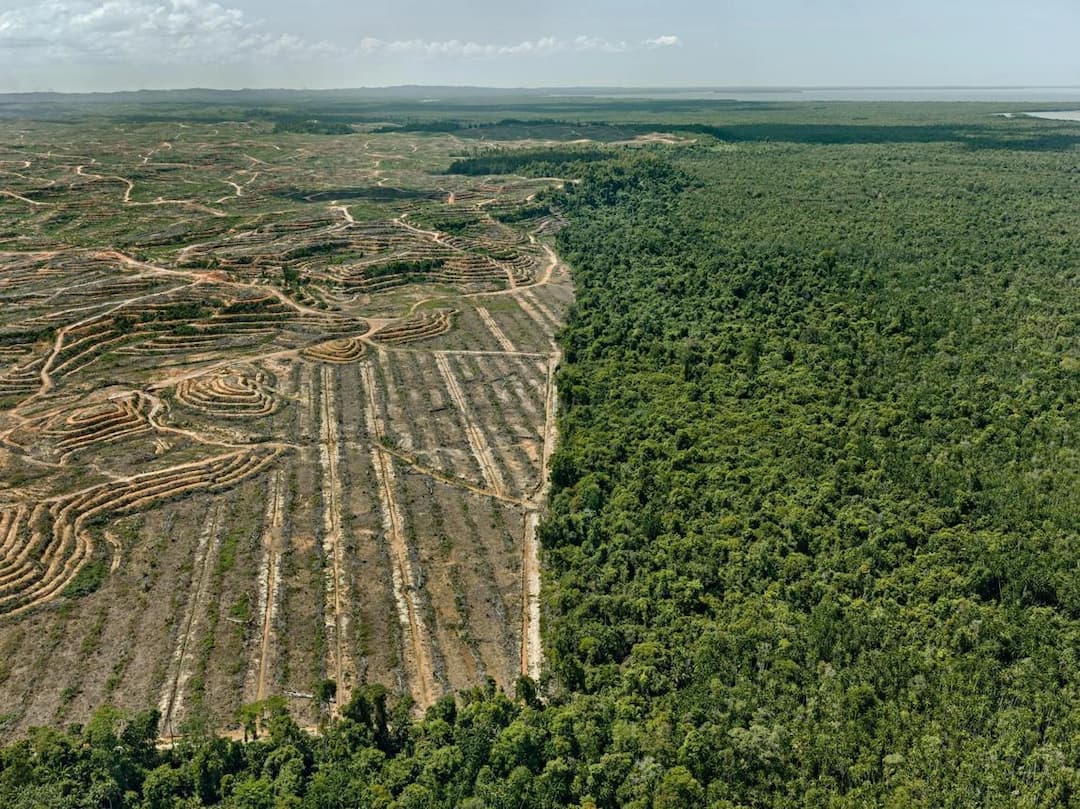
EUDR competent authorities carry the practical weight of the law. They check the due diligence statements that companies file when they place cattle, cocoa, coffee, oil palm, rubber, soya or wood on the EU market or export them. Operators must show that the goods do not come from land deforested after 31 December 2020.
Without designated EUDR competent authorities, a member state cannot run checks, order corrective action or impose penalties. That gap matters because large operators face the regulation’s main obligations from 30 December 2026, after the EU postponed the start date for a second time last year, while smaller firms follow in mid-2027.
Timing makes the four cases awkward for Brussels and for traders. Customs and inspectors in Athens, Valletta and Warsaw will need working EUDR competent authorities within weeks if the regime is to start smoothly. Importers of Bulgarian-bound rubber also need clarity on which agency will review their filings.
The November package also showed wider strain on environmental enforcement. The Commission sent Croatia a letter over 60 urban agglomerations that still fail EU waste water rules, and it warned Poland over ten coal mines that operate without an environmental impact assessment.
It further referred Poland to the Court of Justice of the EU over the Seveso III Directive on industrial accident risks. Austria received a reasoned opinion over a law on the High Tauern National Park, the largest protected area in the Alps, and Malta another over finch trapping.
The deforestation law remains politically contested. Producer countries and several EU governments pushed for delays and simpler rules, while environmental groups argued that each postponement lets more forest-risk goods reach European shelves. The Commission has kept the core obligations in place despite those pressures.
Bulgaria, Greece, Malta and Poland must now reply by January 2027. If the Commission remains unsatisfied, it can issue reasoned opinions, and the slow rollout of EUDR competent authorities could become the first enforcement test of the regulation before its obligations even bite.