November 20, 2026
LATEST
Bank Account Information Gaps Put Estonia and Sweden on OLAF NoticeTwelve Capitals Get Fresh Single European Sky Warnings From Brussels2027 EU Budget Deal Faces Final Council and Parliament Votes Next WeekIndustrial Accelerator Act Mandates Slip Into DecemberMontenegro Accession Talks Close 25 of 33 ChaptersPosted Workers E-Declaration Clears Final Council HurdleAircraft Identification Gap Sends Greece Before the EU CourtArticle 255 Panel Flags Nine Unfit EU Court Nominees in Four YearsMoyale Refugee Crisis Draws €550,000 in EU Aid at the Kenyan FrontierMyanmar Genocide Ruling Tests How Far the EU Will Go for the RohingyaMarcos Keeps the EU-Philippines Trade Deal Alive After Trump’s VisitSenate Arithmetic Puts the EU-Australia Trade Deal at RiskKyiv Embassy Strikes Draw a Summons for Moscow’s Envoy to BrusselsTrump Xi Putin Summit Puts Europe on the Outside in ShenzhenOutermost Regions Strategy Takes Article 349 to EU MinistersCircular Economy Act Slips Again as Recyclers Demand ClarityMissing EUDR Competent Authorities Put Four Member States on NoticeElectricity Market Design Gaps Bring Legal Warnings for Three StatesPension Fund Taxation Rules in Eight States Draw EU Legal ActionIranian Strikes on Kuwait Expose Europe’s Thin Gulf Security RoleBank Account Information Gaps Put Estonia and Sweden on OLAF NoticeTwelve Capitals Get Fresh Single European Sky Warnings From Brussels2027 EU Budget Deal Faces Final Council and Parliament Votes Next WeekIndustrial Accelerator Act Mandates Slip Into DecemberMontenegro Accession Talks Close 25 of 33 ChaptersPosted Workers E-Declaration Clears Final Council HurdleAircraft Identification Gap Sends Greece Before the EU CourtArticle 255 Panel Flags Nine Unfit EU Court Nominees in Four YearsMoyale Refugee Crisis Draws €550,000 in EU Aid at the Kenyan FrontierMyanmar Genocide Ruling Tests How Far the EU Will Go for the RohingyaMarcos Keeps the EU-Philippines Trade Deal Alive After Trump’s VisitSenate Arithmetic Puts the EU-Australia Trade Deal at RiskKyiv Embassy Strikes Draw a Summons for Moscow’s Envoy to BrusselsTrump Xi Putin Summit Puts Europe on the Outside in ShenzhenOutermost Regions Strategy Takes Article 349 to EU MinistersCircular Economy Act Slips Again as Recyclers Demand ClarityMissing EUDR Competent Authorities Put Four Member States on NoticeElectricity Market Design Gaps Bring Legal Warnings for Three StatesPension Fund Taxation Rules in Eight States Draw EU Legal ActionIranian Strikes on Kuwait Expose Europe’s Thin Gulf Security Role

Cloud and AI Development Act Draft Drops Water Checks for Data Centres

Clonee: The Irish Council Presidency has rewritten the environmental core of the Cloud and AI Development Act, giving member states far more freedom over where Europe’s next data centres rise. A compromise text dated 16 November 2026 removes several environmental checks from the bill’s acceleration areas ahead of the Telecommunications Council on 1 December.

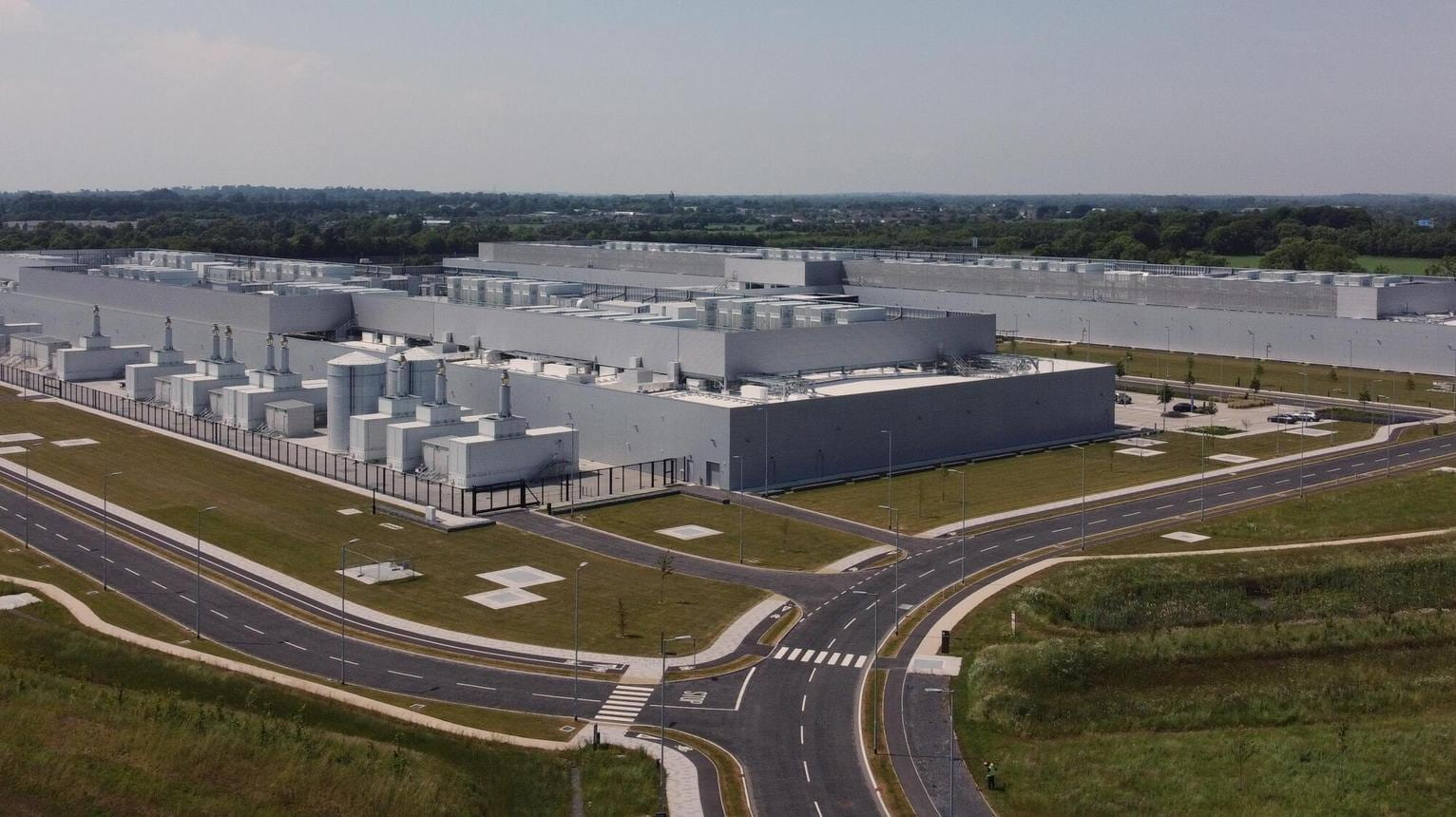
Ireland knows the stakes of the Cloud and AI Development Act well. Hyperscale campuses such as Meta’s site at Clonee in County Meath already strain the national grid, and Dublin now steers the Council talks on a law that aims to triple EU data centre capacity within five to seven years. The Commission tabled the proposal in June 2026 as COM(2026) 502, arguing that EU providers’ share of their own cloud market fell from 29% in 2017 to 15% in 2022.

The new Presidency draft keeps the core promise of the Cloud and AI Development Act. Each member state must designate data centre acceleration areas within 12 months, and permit decisions for projects inside those zones should take no longer than 12 months from a complete application. The Presidency also adds a criterion on the physical security and resilience of each zone, including dependence on energy and communications links.

Other changes to the Cloud and AI Development Act cut deeper. The text deletes the reference to greenhouse gas emissions in the energy needs analysis and asks only for immediate and long-term power demand. It drops the duty to assess impacts on water bodies, which the Presidency called redundant, noting that member states must consider all environmental legislation before they issue permits anyway.

Capitals would also gain discretion on nature. The compromise names locations outside Natura 2000 sites and national biodiversity areas as priorities, but it softens several obligations attached to them. It turns the integration of projects into land-use plans into an option, citing the regional and local character of planning.

The sovereignty pillar has shifted too. According to the Council’s progress report, the Presidency narrows the Commission’s power to overrule national cloud risk assessments, turning it into recommendations that governments must answer within three months. It also stretches the migration window after a risk assessment from 12 to 18 months and moves the application date of the Cloud and AI Development Act to 18 months after entry into force.

The European Parliament is moving on a different track. Co-rapporteurs Diego Solier for the industry committee and Reinier Van Lanschot for the internal market committee presented a joint draft report on 11 November that calls for stronger protection of critical sectors and more public buying from European providers. MEPs plan to fix their position in April 2027.

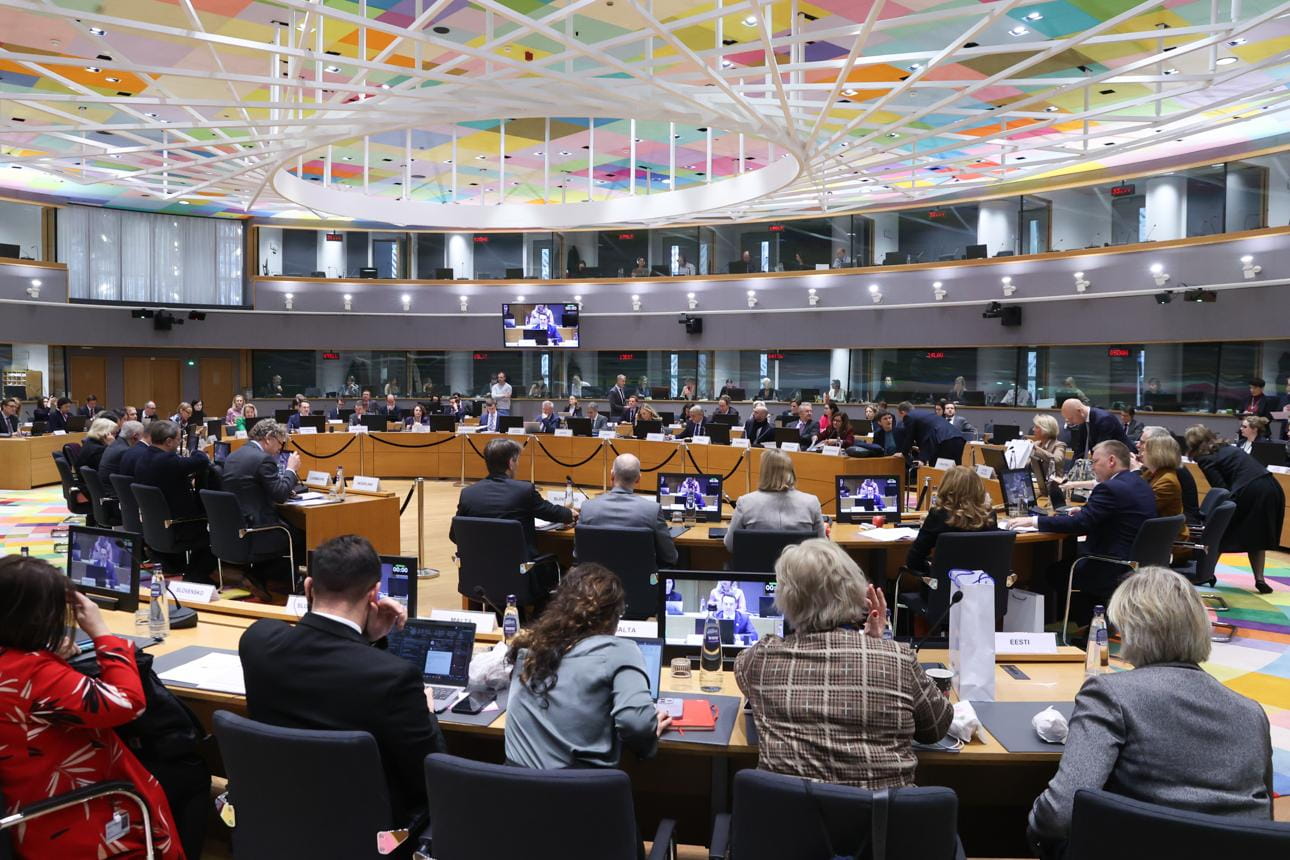
Under the Cloud and AI Development Act, environmental groups are likely to object to the water and emissions deletions, while data centre operators will welcome faster permits. Ministers will take stock of the progress on 1 December, and working party experts return to the capacity chapters on 24 November.

For now, the Irish draft shows how Council negotiators want to balance digital sovereignty against green safeguards. Whether the Cloud and AI Development Act keeps those trims will depend on trilogue talks with a Parliament that is pushing harder on sovereignty in 2027.