August 7, 2026
LATEST
Europe Freezes Its Retaliatory Tariffs on the US IndefinitelyAir Passenger Rights Get Their First Big Rewrite in 20 YearsFive Joint Defence Projects Win Brussels Backing and Shared CashTobacco Tax Overhaul Stalls as Governments Block UnanimityCritical Medicines Act Heads for Final Adoption This AutumnMoldova Accession Reaches Its Foreign-Policy ChapterMercosur Tariffs Fall as Europe’s Farmers Watch the GaugesWhy Europe’s Digital Fairness Act Worries Online RetailersErasmus+ Faces a Budget Fight Before Its 2028 RelaunchMedia Freedom Rules Turn One as Enforcement LagsPlatform Work Rules Push Member States Toward a December ReckoningSingle Ticket Plan Would Let One Booking Cover Europe by RailHungary Races an August Deadline to Unlock Its Recovery FundsCapitals Race a September Deadline to Restore NatureEuro-Zone Inflation Nudges Back Up as Energy Bills ClimbRed Bull Case Tests a New Frontier in EU AntitrustNew EU Packaging Rules Reach Shoppers as August Deadline HitsEvery EU Country Must Draft an Anti-Fraud Plan Under New RulesEurope Blacklists a North Korean General Over Russia’s WarChina’s Rare Earths Curbs Push Europe to Find New SourcesEurope Freezes Its Retaliatory Tariffs on the US IndefinitelyAir Passenger Rights Get Their First Big Rewrite in 20 YearsFive Joint Defence Projects Win Brussels Backing and Shared CashTobacco Tax Overhaul Stalls as Governments Block UnanimityCritical Medicines Act Heads for Final Adoption This AutumnMoldova Accession Reaches Its Foreign-Policy ChapterMercosur Tariffs Fall as Europe’s Farmers Watch the GaugesWhy Europe’s Digital Fairness Act Worries Online RetailersErasmus+ Faces a Budget Fight Before Its 2028 RelaunchMedia Freedom Rules Turn One as Enforcement LagsPlatform Work Rules Push Member States Toward a December ReckoningSingle Ticket Plan Would Let One Booking Cover Europe by RailHungary Races an August Deadline to Unlock Its Recovery FundsCapitals Race a September Deadline to Restore NatureEuro-Zone Inflation Nudges Back Up as Energy Bills ClimbRed Bull Case Tests a New Frontier in EU AntitrustNew EU Packaging Rules Reach Shoppers as August Deadline HitsEvery EU Country Must Draft an Anti-Fraud Plan Under New RulesEurope Blacklists a North Korean General Over Russia’s WarChina’s Rare Earths Curbs Push Europe to Find New Sources
August 7, 2026
LATEST
Europe Freezes Its Retaliatory Tariffs on the US IndefinitelyAir Passenger Rights Get Their First Big Rewrite in 20 YearsFive Joint Defence Projects Win Brussels Backing and Shared CashTobacco Tax Overhaul Stalls as Governments Block UnanimityCritical Medicines Act Heads for Final Adoption This AutumnMoldova Accession Reaches Its Foreign-Policy ChapterMercosur Tariffs Fall as Europe’s Farmers Watch the GaugesWhy Europe’s Digital Fairness Act Worries Online RetailersErasmus+ Faces a Budget Fight Before Its 2028 RelaunchMedia Freedom Rules Turn One as Enforcement LagsPlatform Work Rules Push Member States Toward a December ReckoningSingle Ticket Plan Would Let One Booking Cover Europe by RailHungary Races an August Deadline to Unlock Its Recovery FundsCapitals Race a September Deadline to Restore NatureEuro-Zone Inflation Nudges Back Up as Energy Bills ClimbRed Bull Case Tests a New Frontier in EU AntitrustNew EU Packaging Rules Reach Shoppers as August Deadline HitsEvery EU Country Must Draft an Anti-Fraud Plan Under New RulesEurope Blacklists a North Korean General Over Russia’s WarChina’s Rare Earths Curbs Push Europe to Find New SourcesEurope Freezes Its Retaliatory Tariffs on the US IndefinitelyAir Passenger Rights Get Their First Big Rewrite in 20 YearsFive Joint Defence Projects Win Brussels Backing and Shared CashTobacco Tax Overhaul Stalls as Governments Block UnanimityCritical Medicines Act Heads for Final Adoption This AutumnMoldova Accession Reaches Its Foreign-Policy ChapterMercosur Tariffs Fall as Europe’s Farmers Watch the GaugesWhy Europe’s Digital Fairness Act Worries Online RetailersErasmus+ Faces a Budget Fight Before Its 2028 RelaunchMedia Freedom Rules Turn One as Enforcement LagsPlatform Work Rules Push Member States Toward a December ReckoningSingle Ticket Plan Would Let One Booking Cover Europe by RailHungary Races an August Deadline to Unlock Its Recovery FundsCapitals Race a September Deadline to Restore NatureEuro-Zone Inflation Nudges Back Up as Energy Bills ClimbRed Bull Case Tests a New Frontier in EU AntitrustNew EU Packaging Rules Reach Shoppers as August Deadline HitsEvery EU Country Must Draft an Anti-Fraud Plan Under New RulesEurope Blacklists a North Korean General Over Russia’s WarChina’s Rare Earths Curbs Push Europe to Find New Sources

Blanket Import Checks Fall Foul of Single Market Law

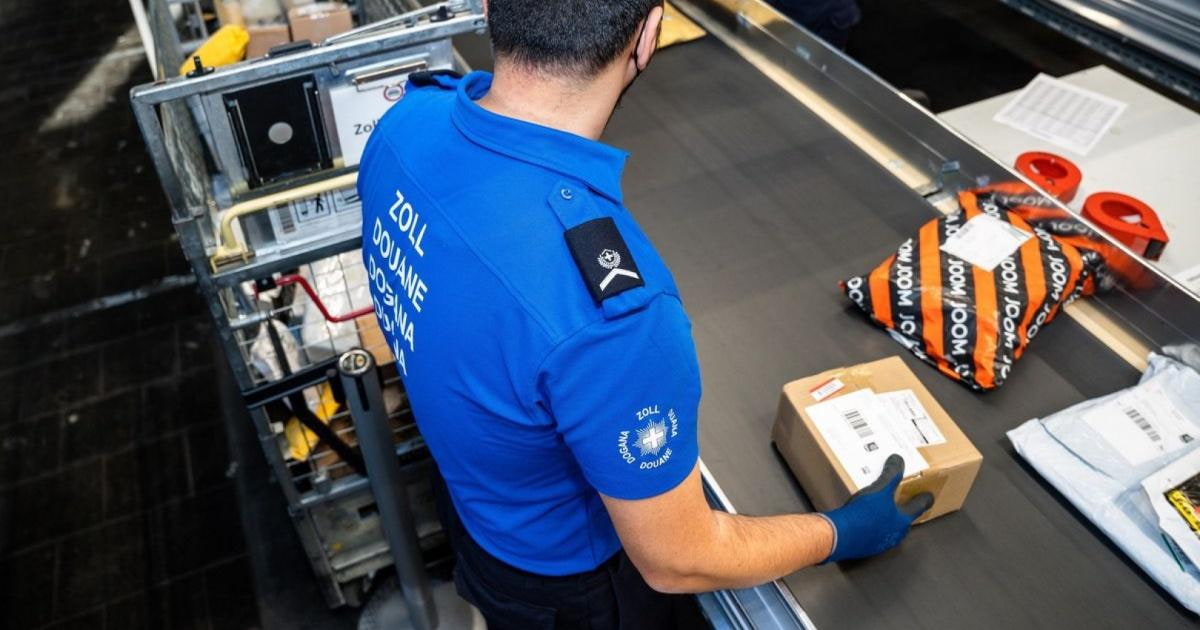
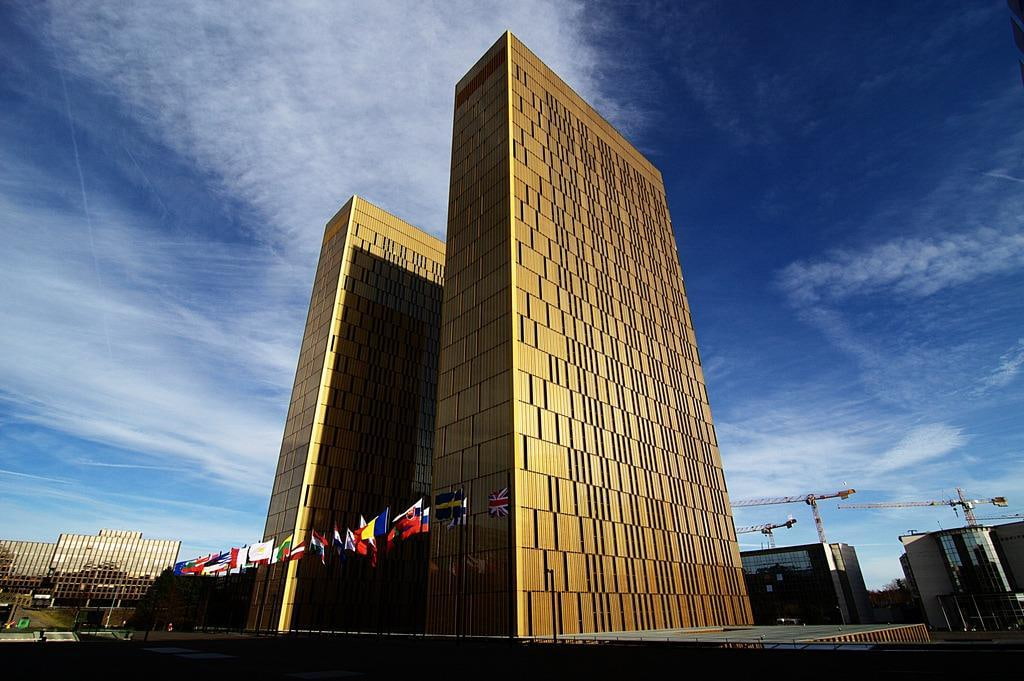
A quiet judgment from Europe’s highest court has handed traders a sharp new weapon against the paperwork that clogs cross-border commerce. The Court of Justice of the European Union has told the Czech Republic that it cannot force every company to file advance notice each time a shipment of food supplements crosses its border from another member state.

The decision, known as the Pragon case, dismantles a national scheme that dated back to 2015. Under those rules, importers had to alert Czech authorities a full 24 hours before goods arrived. The judges concluded that such a blanket demand collides with the core promise of the single market, where products lawfully sold in one member state should travel freely into another.

The court did not close the door entirely. It pointed to Article 9(7) of the EU’s official controls regulation, which allows arrival notifications only in exceptional circumstances, and only where no lighter-touch measure can achieve the same aim. National governments, in other words, must prove that a blunt reporting duty is truly necessary rather than merely convenient.

Businesses in the supplements trade welcomed the outcome. For years they had argued that the Czech system added cost and delay without any clear safety payoff, since the same products already met EU labelling and composition standards. Removing the notification hurdle should speed deliveries and cut administrative bills across the sector.

Yet the ruling also exposes an uncomfortable truth about how the single market now gets policed. The judgment reached Luxembourg because a company took the fight to court, not because the European Commission acted first. That pattern worries trade lawyers, who see firms increasingly forced to defend their own rights before national judges instead of relying on Brussels to strike down illegal barriers.

The Pragon precedent now travels well beyond Prague. Several member states run similar notification systems for supplements and fortified foods, and each of those regimes must now measure up against the court’s strict test. Companies that once swallowed the paperwork have a fresh reason to challenge it.

Consumer groups take a more cautious view. They accept that duplicated paperwork helps no one, but they want assurance that scrapping notifications will not blind regulators to unsafe or mislabelled products slipping across borders. The court answered that concern by leaving genuine safety checks intact, provided governments target them at real risks rather than routine trade.

For the Commission, the message carries a warning. If traders keep winning cases that the guardians of the treaties never launched, the single market risks becoming a patchwork defended case by case rather than a level field enforced from the centre. The court has cleared one barrier. Whether Brussels finds the appetite to hunt down the rest remains the open question.