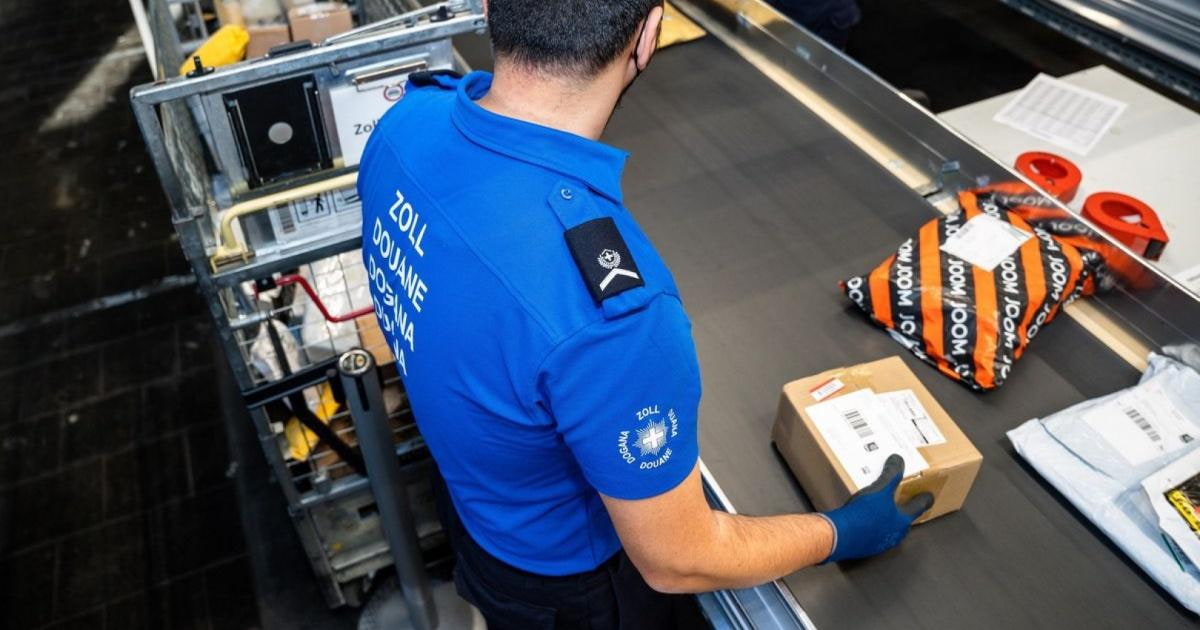
Cheap parcels from outside the bloc no longer slip into Europe untaxed, and a new parcel duty marks the first hard change from a sweeping customs overhaul. From 1 July 2026 the EU scrapped the exemption that let goods worth 150 euros or less arrive free of customs duty, ending a rule that shaped a decade of online shopping.
The old threshold made sense in a slower age. It spared customs officers from chasing tiny sums on low-value packages, but the explosion of direct-to-consumer sales from non-EU retailers turned a minor concession into a flood. Roughly 4.6 billion such parcels entered the bloc in 2024, most of them from a handful of Asian platforms.
The reform replaces the exemption with a flat charge. Under the Commission’s plan, most parcels valued at 150 euros or below now carry a transitional duty of three euros per item, while anything above that line still faces the ordinary customs tariff. VAT, which already applied, does not go away.
Officials frame the shift as fairness. European shops long complained that overseas sellers undercut them by dodging duty and, in some cases, safety and labelling rules. The Commission argues the exemption had become an unfair subsidy for foreign platforms that domestic retailers could never match.
The change also targets a compliance gap. Undervalued declarations, split shipments and mislabelled contents let some traders duck the charges they owed, and a blanket duty is harder to game than a threshold that rewards shaving a few euros off the stated price.
Consumers will feel it unevenly. A three-euro charge barely dents a mid-range order, yet it lands heavily on the ultra-cheap goods that built the fast-fashion and gadget boom. Platforms must now decide whether to swallow the cost, pass it on, or rethink how they ship into the single market.
The duty is a bridge, not a destination. It runs until the EU Customs Data Hub comes online, an ambitious platform expected around 2028 that will gather trade data centrally and let authorities apply standard tariff rules to every parcel. Fuller guidance sits in the Commission’s legal text.
More costs are coming. A separate EU-wide handling fee on e-commerce goods is expected from November 2026, layering an administrative charge on top of the duty and pushing the true price of budget imports higher still.
Logistics firms carry the operational load. Carriers and platforms must rebuild their systems to collect the duty, file the data and pass charges to customers without gumming up delivery, a scramble that smaller sellers may struggle to absorb.
The wider prize is a modern customs union. The 150-euro reform is only the first piece of a 2023 blueprint that aims to move the bloc from paper declarations toward shared data and risk-based checks. How smoothly the parcel duty beds in will hint at whether that bigger promise can hold.