August 7, 2026
LATEST
New Zealand Trade With Europe Hits a Record in Its First YearEurope Locks Chinese Medical Devices Out of Its Public TendersHow Far Can Europe and Japan Take Their New Security Pact NowSeoul’s Gamble on Europe’s Research Money Is Starting to Pay OffEurope Freezes Its Retaliatory Tariffs on the US IndefinitelyAir Passenger Rights Get Their First Big Rewrite in 20 YearsFive Joint Defence Projects Win Brussels Backing and Shared CashTobacco Tax Overhaul Stalls as Governments Block UnanimityCritical Medicines Act Heads for Final Adoption This AutumnMoldova Accession Reaches Its Foreign-Policy ChapterMercosur Tariffs Fall as Europe’s Farmers Watch the GaugesWhy Europe’s Digital Fairness Act Worries Online RetailersErasmus+ Faces a Budget Fight Before Its 2028 RelaunchMedia Freedom Rules Turn One as Enforcement LagsPlatform Work Rules Push Member States Toward a December ReckoningSingle Ticket Plan Would Let One Booking Cover Europe by RailHungary Races an August Deadline to Unlock Its Recovery FundsCapitals Race a September Deadline to Restore NatureEuro-Zone Inflation Nudges Back Up as Energy Bills ClimbRed Bull Case Tests a New Frontier in EU AntitrustNew Zealand Trade With Europe Hits a Record in Its First YearEurope Locks Chinese Medical Devices Out of Its Public TendersHow Far Can Europe and Japan Take Their New Security Pact NowSeoul’s Gamble on Europe’s Research Money Is Starting to Pay OffEurope Freezes Its Retaliatory Tariffs on the US IndefinitelyAir Passenger Rights Get Their First Big Rewrite in 20 YearsFive Joint Defence Projects Win Brussels Backing and Shared CashTobacco Tax Overhaul Stalls as Governments Block UnanimityCritical Medicines Act Heads for Final Adoption This AutumnMoldova Accession Reaches Its Foreign-Policy ChapterMercosur Tariffs Fall as Europe’s Farmers Watch the GaugesWhy Europe’s Digital Fairness Act Worries Online RetailersErasmus+ Faces a Budget Fight Before Its 2028 RelaunchMedia Freedom Rules Turn One as Enforcement LagsPlatform Work Rules Push Member States Toward a December ReckoningSingle Ticket Plan Would Let One Booking Cover Europe by RailHungary Races an August Deadline to Unlock Its Recovery FundsCapitals Race a September Deadline to Restore NatureEuro-Zone Inflation Nudges Back Up as Energy Bills ClimbRed Bull Case Tests a New Frontier in EU Antitrust
August 7, 2026
LATEST
New Zealand Trade With Europe Hits a Record in Its First YearEurope Locks Chinese Medical Devices Out of Its Public TendersHow Far Can Europe and Japan Take Their New Security Pact NowSeoul’s Gamble on Europe’s Research Money Is Starting to Pay OffEurope Freezes Its Retaliatory Tariffs on the US IndefinitelyAir Passenger Rights Get Their First Big Rewrite in 20 YearsFive Joint Defence Projects Win Brussels Backing and Shared CashTobacco Tax Overhaul Stalls as Governments Block UnanimityCritical Medicines Act Heads for Final Adoption This AutumnMoldova Accession Reaches Its Foreign-Policy ChapterMercosur Tariffs Fall as Europe’s Farmers Watch the GaugesWhy Europe’s Digital Fairness Act Worries Online RetailersErasmus+ Faces a Budget Fight Before Its 2028 RelaunchMedia Freedom Rules Turn One as Enforcement LagsPlatform Work Rules Push Member States Toward a December ReckoningSingle Ticket Plan Would Let One Booking Cover Europe by RailHungary Races an August Deadline to Unlock Its Recovery FundsCapitals Race a September Deadline to Restore NatureEuro-Zone Inflation Nudges Back Up as Energy Bills ClimbRed Bull Case Tests a New Frontier in EU AntitrustNew Zealand Trade With Europe Hits a Record in Its First YearEurope Locks Chinese Medical Devices Out of Its Public TendersHow Far Can Europe and Japan Take Their New Security Pact NowSeoul’s Gamble on Europe’s Research Money Is Starting to Pay OffEurope Freezes Its Retaliatory Tariffs on the US IndefinitelyAir Passenger Rights Get Their First Big Rewrite in 20 YearsFive Joint Defence Projects Win Brussels Backing and Shared CashTobacco Tax Overhaul Stalls as Governments Block UnanimityCritical Medicines Act Heads for Final Adoption This AutumnMoldova Accession Reaches Its Foreign-Policy ChapterMercosur Tariffs Fall as Europe’s Farmers Watch the GaugesWhy Europe’s Digital Fairness Act Worries Online RetailersErasmus+ Faces a Budget Fight Before Its 2028 RelaunchMedia Freedom Rules Turn One as Enforcement LagsPlatform Work Rules Push Member States Toward a December ReckoningSingle Ticket Plan Would Let One Booking Cover Europe by RailHungary Races an August Deadline to Unlock Its Recovery FundsCapitals Race a September Deadline to Restore NatureEuro-Zone Inflation Nudges Back Up as Energy Bills ClimbRed Bull Case Tests a New Frontier in EU Antitrust

EU Enlargement Enters Its Boldest Phase in Two Decades

EU enlargement has entered its most consequential stretch since the mid-2000s. Member states agreed on 14 July to open a new negotiating cluster with Ukraine and Moldova, launching formal talks on aligning both candidates’ foreign, security, trade and defence policies with the Union. A process that political vetoes had stalled for years is finally gathering pace.

The decision builds on the opening of the first accession cluster on 15 June and reflects a shift inside the European Council. Hungary’s new government lifted the veto that had frozen Ukraine’s file for nearly two years, clearing a path that many diplomats had privately doubted would open before autumn.

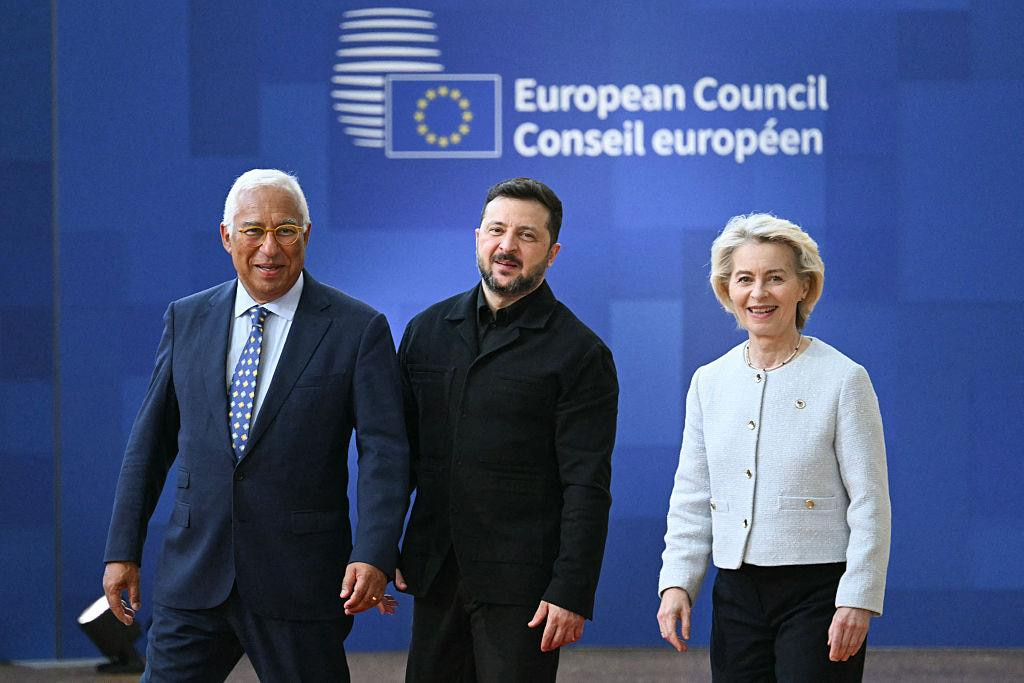
Presidents Antonio Costa and Ursula von der Leyen framed the step as proof that the Union rewards genuine reform with tangible progress. Their joint statement in June set the tone for a summer of accelerated diplomacy that has now delivered a second cluster in barely a month.

Negotiators structure the talks around six thematic clusters, each covering a swathe of the EU’s legal rulebook, from the internal market to justice and fundamental rights. Opening a cluster does not close it. Kyiv and Chisinau must still rewrite domestic law, build enforcement capacity and satisfy the Commission that reforms hold in practice before any chapter provisionally closes.

The wider ambition is striking. The bloc is pursuing its largest membership push in more than two decades, with Ukraine, Moldova, and several Western Balkans states advancing in parallel. That scale forces awkward questions the Union has long deferred: how to reweight farm subsidies and cohesion funds, how to reform voting rules, and how to absorb a country at war without importing instability.

Ukraine’s candidacy carries obvious strategic weight. Membership would extend the single market to Europe’s eastern edge and bind Kyiv’s security firmly to Brussels. Yet the same features alarm cautious capitals, who warn that admitting a nation still defending its territory could draw the Union deeper into confrontation with Moscow.

Moldova’s path looks smoother but hardly simple. The small republic must strengthen its courts, curb corruption and reduce its exposure to Russian energy and disinformation. The European Parliament has repeatedly urged the Commission to keep the two files moving on their own merits rather than binding them together, a point lawmakers stressed again in their July plenary debate.

Officials had hoped to open more clusters before the summer break, but four remain blocked, and the original July target now looks out of reach. Diplomats expect the remaining files to move one by one from September, keeping enlargement near the top of the autumn agenda.

For all the momentum, membership remains years away. Accession rewards endurance, not enthusiasm, and both candidates face a long climb through technical benchmarks and domestic reform. What changed this month is direction. After a decade of drift, the Union has signalled that its door is open and that it intends to walk through it.