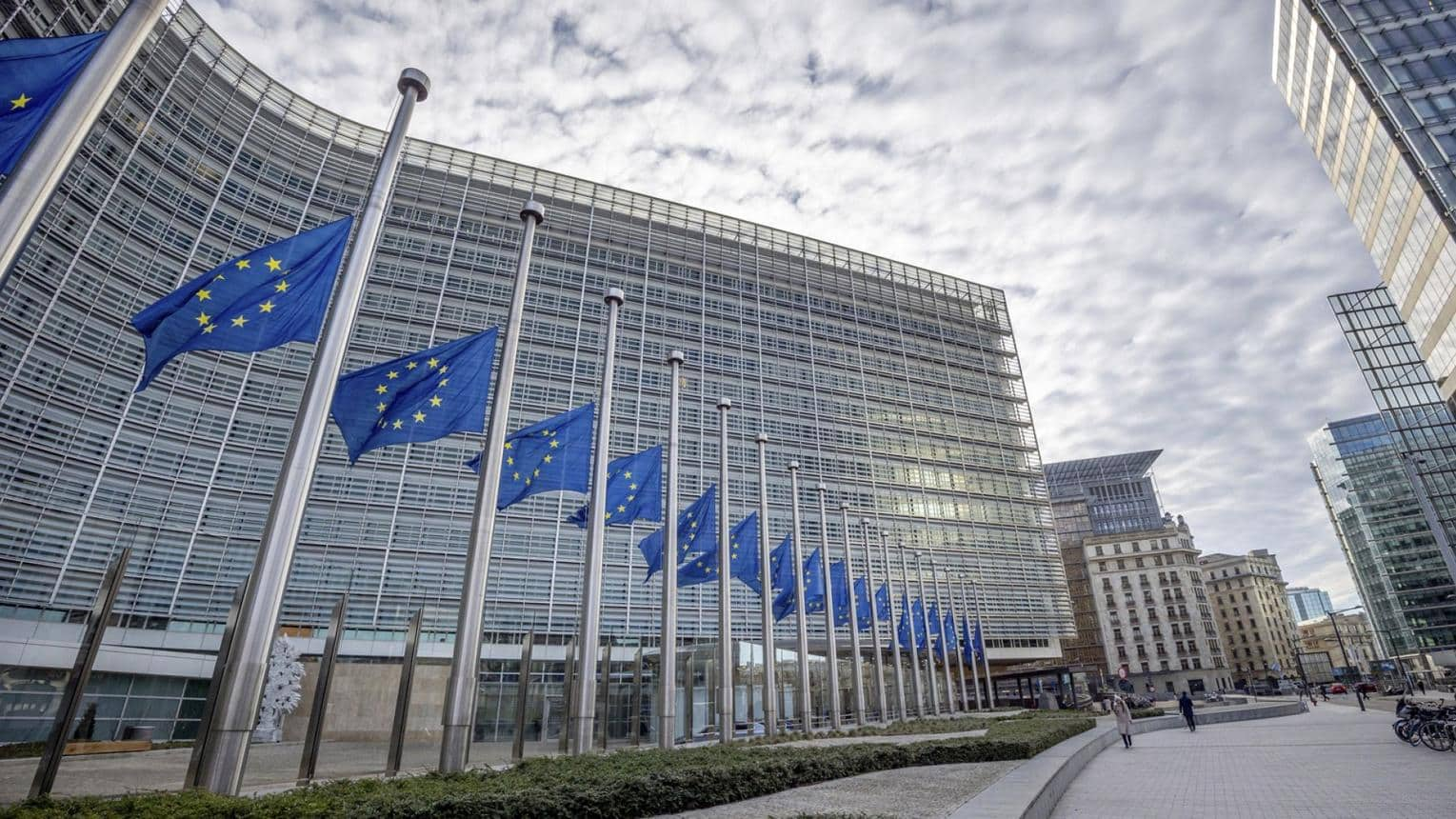
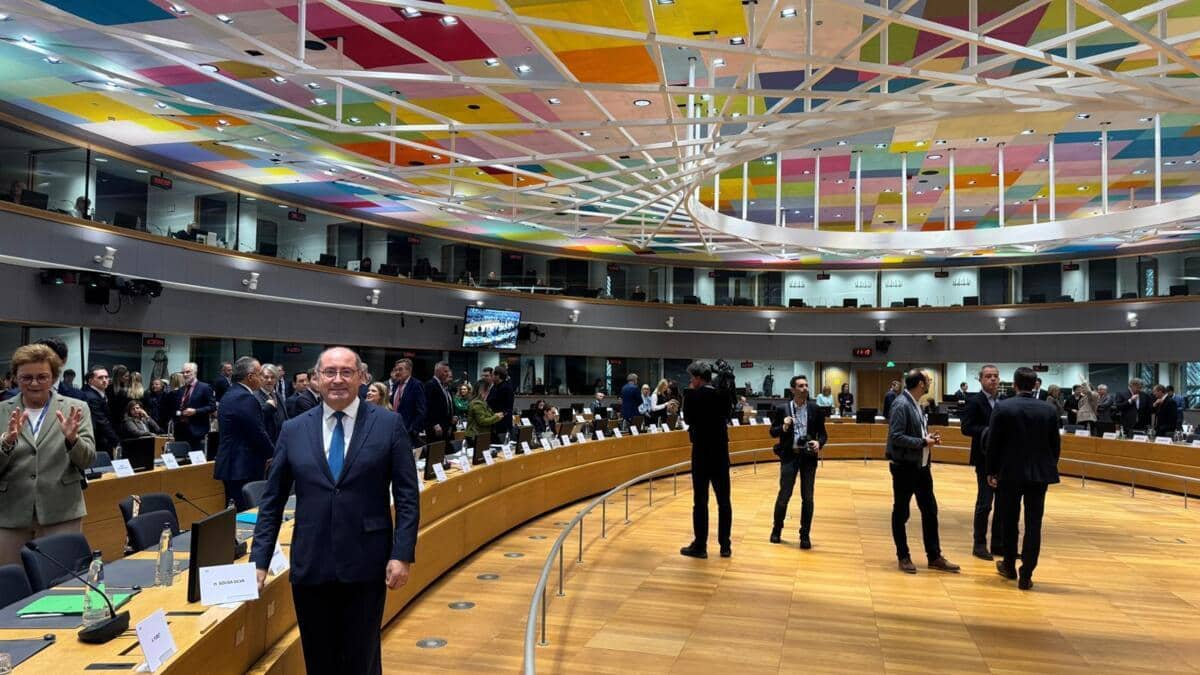
Brussels: Brazilian poultry imports could regain full access to the European market as soon as this week, when national experts vote on a Commission plan to restore Brazil to the list of approved exporters. The Standing Committee on Plants, Animals, Food and Feed will take up the proposal at its meeting on 16 and 17 November 2026, according to industry and press reports.
The Commission removed Brazil from the list in September 2026 under new EU rules on antimicrobial use. Brussels wanted firm guarantees that Brazilian farms do not give animals antimicrobials that EU law bans for growth promotion or other non-medical purposes. The restriction targeted Brazilian poultry imports as well as beef.
Commission auditors then inspected Brazilian controls on poultry meat and honey and judged the results positive. At the committee meeting of 20 and 21 October, officials confirmed they would propose re-listing for those two products only. Beef stays off the list because Brazil cannot yet reliably certify compliance with lifetime requirements for cattle.
Member states used the October session to press the Commission on the scope of the plan, on how Brazil segregates EU-bound production, and on veterinary prescription controls. The committee section on controls and import conditions will deliver its opinion by qualified majority, although the chair can still postpone the vote.
European poultry producers want exactly that delay. AVEC, the association of poultry processors and traders, says Brazilian poultry imports have already surged this year. It counts about 312,000 tonnes shipped to the EU in the first nine months of 2026, roughly 34% more than the 233,000 tonnes recorded for all of 2025.
Commission data point the same way, showing a 44% year-on-year rise in the first half of 2026. Exporters shipped 43,500 tonnes of chicken in September alone, as consignments certified before a 3 September deadline kept moving. AVEC argues that much of that volume does not meet the new antimicrobial rules, even though it poses no food safety risk.
The association questions the audit’s conclusions and wants independently verified evidence on feed sampling, hatchery checks and segregation before any vote on Brazilian poultry imports. Farm Europe and Eat Europe made a similar plea in a letter to Commissioners Olivér Várhelyi and Christophe Hansen on 12 November.
Beyond Brazilian poultry imports, AVEC is also lobbying for origin labelling of poultry in processed food and catering, tighter EU control of tariff quotas, and use of the EU-Mercosur safeguard clause for poultry. Its latest competitiveness study finds that producers in Brazil, Thailand, Ukraine, Argentina and the United States now operate at costs 28% to 44% below the EU benchmark.
Brazil, for its part, has insisted since September that its sanitary controls meet EU standards, and EU inspectors appear to agree. A rejection or postponement would therefore test how much weight member states give to industry pressure over audit findings.
The outcome will matter well beyond the poultry sector. A green light would show that the new antimicrobial rules can bend partners into compliance without permanent bans. Either way, the vote on Brazilian poultry imports will signal how Brussels balances food safety, trade ties with Mercosur and the competitiveness of European farmers.