Ghent: The Circular Economy Act is due from the European Commission in the third quarter of 2026, a quarter that closes on 30 September, and recyclers and manufacturers across the bloc still wait for the text. The European Parliament’s Legislative Train Schedule lists the proposal for that quarter, and no published proposal had surfaced in official sources at the time of writing. Environment Commissioner Jessika Roswall said after an informal ministers’ meeting in Nicosia on 6 February 2026 that the regulation should make Europe “more circular, more competitive, and also more resilient”, as Agence Europe reported.
The Circular Economy Act aims to improve the functioning of the single market for secondary raw materials, meaning metals, plastics and other inputs recovered through recycling or reuse. It also seeks to strengthen recycling value chains and to reduce administrative barriers, including by simplifying, harmonising and digitalising extended producer responsibility obligations.
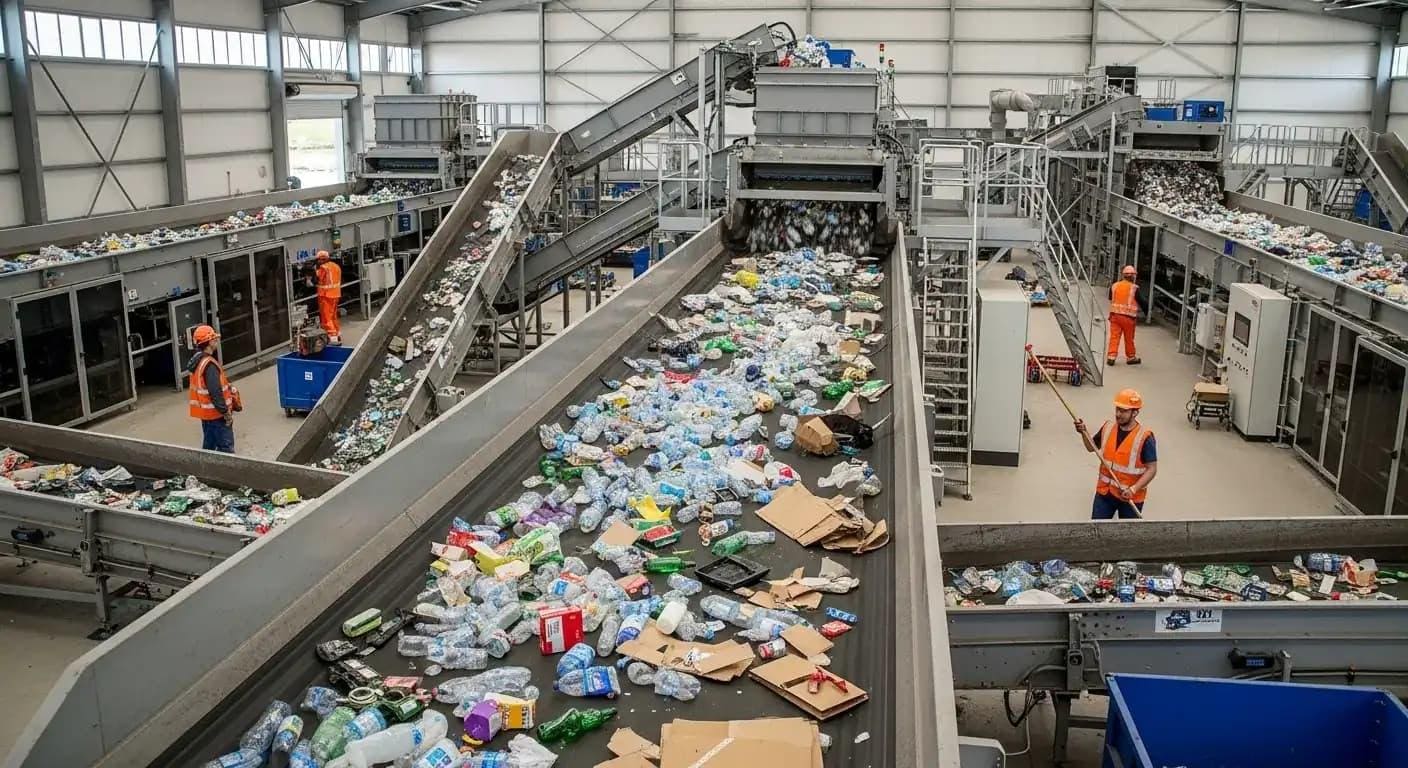
The timing matters because Europe’s recyclers are under strain. Before Christmas 2025 the Commission released pilot measures for the plastics recycling industry, which faces high costs, low virgin plastic prices and unfair import competition. Industry groups now expect the Circular Economy Act to go further and give recyclers a stable market for what they produce.
Member states frame the file as a competitiveness issue. Cyprus’s environment minister, Maria Panayiotou, called the circular agenda “a lever for competitiveness, a security issue and a tool for economic resilience”. Her wording matches the Commission’s emphasis on strategic autonomy, since recovered materials reduce dependence on imported raw materials.
Other files already shape the landscape. The Packaging and Packaging Waste Regulation applies from August 2026 with implementing acts on recycled content and labelling, while the Commission is revising the rules on waste electrical equipment and preparing changes on permanent magnets under the critical raw materials framework. Textile producers are also setting up national extended producer responsibility systems.
Analysts at the recycling group Landbell describe 2026 as “a clear transition from legislative design to implementation”. In that setting, the Circular Economy Act could either simplify the patchwork or add a new layer, depending on how it treats reporting duties and waste shipments.
Companies should prepare for both outcomes. Producers should map their extended producer responsibility duties in each country, and recyclers should document the quality and traceability of their recovered materials. Small firms will watch whether the Commission keeps its promise to cut paperwork and support smaller participants, because compliance costs often decide whether a recycler can compete with cheap imports. Larger groups will look for clear rules on end-of-waste status so that recovered material can cross borders without repeated permits.
The next signal is the Commission’s own calendar, which lists the environment portfolio at its circular economy strategy page. If the proposal lands soon, Parliament and Council will start work under the Irish presidency. Until then, the Circular Economy Act remains a promise that Brussels must turn into law that businesses can plan around.