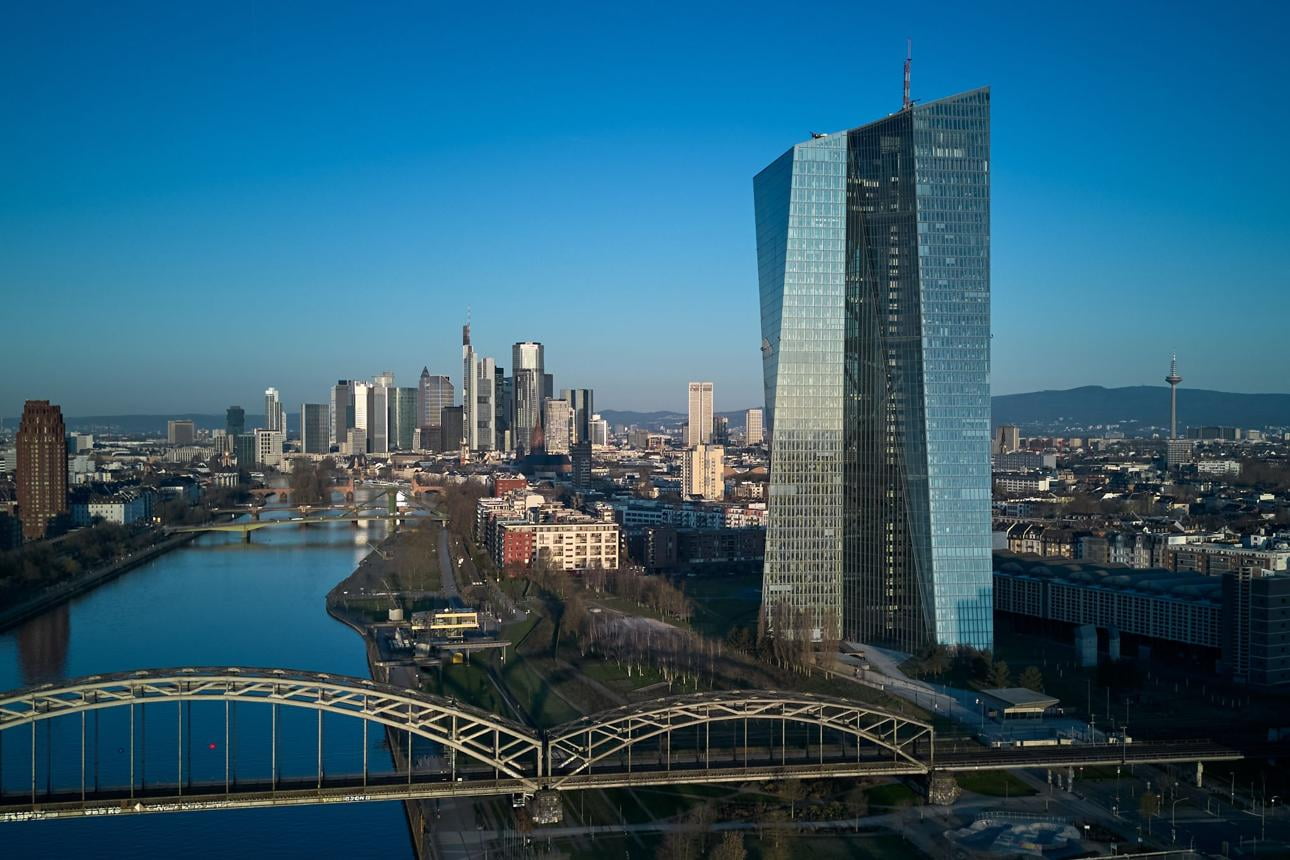
Frankfurt: Euro area inflation rose to 3.2% in August 2026, up from 2.9% in July, according to the final estimate that Eurostat published on 17 September. The figure came in a tenth of a point below the 3.3% flash estimate released on 2 September, yet it still shows consumer prices accelerating across the single-currency bloc. Annual inflation in the whole EU reached 3.2% as well, up from 3.0% a month earlier.
Services and energy did most of the work. Services added 1.43 percentage points to euro area inflation, and energy contributed 1.29 points. Non-energy industrial goods added 0.30 points, and food, alcohol and tobacco added 0.22 points. Prices also rose 0.4% on the month in both the euro area and the EU, which Eurostat reports in its harmonised index of consumer prices data.
Energy deserves the closest attention. The flash estimate put annual energy inflation at 14.3% in August, a jump from 10.3% in July. Services inflation slowed in the same estimate, from 3.3% to 3.0%, while non-energy industrial goods rose from 0.9% to 1.2%. Food, alcohol and tobacco stayed at 1.2%. Euro area inflation therefore depends heavily on fuel and utility bills at the moment, not on broad price pressure in shops.
National gaps remain wide. Romania recorded the highest annual rate at 6.3%, followed by Lithuania at 5.6% and Cyprus at 5.2%. Sweden posted the lowest at 0.3%, ahead of Estonia at 1.3% and Czechia at 1.5%. The six-point distance between Romania and Sweden shows that a single headline number hides very different experiences for households in different capitals.
The details matter for wages, pensions and budgets. Governments that rely on indexation, from public salaries to benefits, feel energy-driven price rises quickly, and workers in countries with high rates see their purchasing power erode faster than colleagues elsewhere. Analysts in Brussels will also compare the August figures with the next Eurostat release to judge whether energy costs keep pushing prices higher.
Business owners face the same squeeze. Firms that buy electricity and gas on short contracts see costs move almost at once, and many pass part of that burden to customers within weeks. Retailers, hauliers and manufacturers therefore track euro area inflation alongside wholesale energy prices, because the two series often move together and shape pricing decisions for the autumn and winter seasons.
For now, the August data give a clear message. Euro area inflation has moved back above 3%, and the rise comes mainly from energy and services, with sharp differences between member states. Readers who follow the 2026 price picture should watch those two components first.