August 7, 2026
LATEST
New Zealand Trade With Europe Hits a Record in Its First YearEurope Locks Chinese Medical Devices Out of Its Public TendersHow Far Can Europe and Japan Take Their New Security Pact NowSeoul’s Gamble on Europe’s Research Money Is Starting to Pay OffEurope Freezes Its Retaliatory Tariffs on the US IndefinitelyAir Passenger Rights Get Their First Big Rewrite in 20 YearsFive Joint Defence Projects Win Brussels Backing and Shared CashTobacco Tax Overhaul Stalls as Governments Block UnanimityCritical Medicines Act Heads for Final Adoption This AutumnMoldova Accession Reaches Its Foreign-Policy ChapterMercosur Tariffs Fall as Europe’s Farmers Watch the GaugesWhy Europe’s Digital Fairness Act Worries Online RetailersErasmus+ Faces a Budget Fight Before Its 2028 RelaunchMedia Freedom Rules Turn One as Enforcement LagsPlatform Work Rules Push Member States Toward a December ReckoningSingle Ticket Plan Would Let One Booking Cover Europe by RailHungary Races an August Deadline to Unlock Its Recovery FundsCapitals Race a September Deadline to Restore NatureEuro-Zone Inflation Nudges Back Up as Energy Bills ClimbRed Bull Case Tests a New Frontier in EU AntitrustNew Zealand Trade With Europe Hits a Record in Its First YearEurope Locks Chinese Medical Devices Out of Its Public TendersHow Far Can Europe and Japan Take Their New Security Pact NowSeoul’s Gamble on Europe’s Research Money Is Starting to Pay OffEurope Freezes Its Retaliatory Tariffs on the US IndefinitelyAir Passenger Rights Get Their First Big Rewrite in 20 YearsFive Joint Defence Projects Win Brussels Backing and Shared CashTobacco Tax Overhaul Stalls as Governments Block UnanimityCritical Medicines Act Heads for Final Adoption This AutumnMoldova Accession Reaches Its Foreign-Policy ChapterMercosur Tariffs Fall as Europe’s Farmers Watch the GaugesWhy Europe’s Digital Fairness Act Worries Online RetailersErasmus+ Faces a Budget Fight Before Its 2028 RelaunchMedia Freedom Rules Turn One as Enforcement LagsPlatform Work Rules Push Member States Toward a December ReckoningSingle Ticket Plan Would Let One Booking Cover Europe by RailHungary Races an August Deadline to Unlock Its Recovery FundsCapitals Race a September Deadline to Restore NatureEuro-Zone Inflation Nudges Back Up as Energy Bills ClimbRed Bull Case Tests a New Frontier in EU Antitrust
August 7, 2026
LATEST
New Zealand Trade With Europe Hits a Record in Its First YearEurope Locks Chinese Medical Devices Out of Its Public TendersHow Far Can Europe and Japan Take Their New Security Pact NowSeoul’s Gamble on Europe’s Research Money Is Starting to Pay OffEurope Freezes Its Retaliatory Tariffs on the US IndefinitelyAir Passenger Rights Get Their First Big Rewrite in 20 YearsFive Joint Defence Projects Win Brussels Backing and Shared CashTobacco Tax Overhaul Stalls as Governments Block UnanimityCritical Medicines Act Heads for Final Adoption This AutumnMoldova Accession Reaches Its Foreign-Policy ChapterMercosur Tariffs Fall as Europe’s Farmers Watch the GaugesWhy Europe’s Digital Fairness Act Worries Online RetailersErasmus+ Faces a Budget Fight Before Its 2028 RelaunchMedia Freedom Rules Turn One as Enforcement LagsPlatform Work Rules Push Member States Toward a December ReckoningSingle Ticket Plan Would Let One Booking Cover Europe by RailHungary Races an August Deadline to Unlock Its Recovery FundsCapitals Race a September Deadline to Restore NatureEuro-Zone Inflation Nudges Back Up as Energy Bills ClimbRed Bull Case Tests a New Frontier in EU AntitrustNew Zealand Trade With Europe Hits a Record in Its First YearEurope Locks Chinese Medical Devices Out of Its Public TendersHow Far Can Europe and Japan Take Their New Security Pact NowSeoul’s Gamble on Europe’s Research Money Is Starting to Pay OffEurope Freezes Its Retaliatory Tariffs on the US IndefinitelyAir Passenger Rights Get Their First Big Rewrite in 20 YearsFive Joint Defence Projects Win Brussels Backing and Shared CashTobacco Tax Overhaul Stalls as Governments Block UnanimityCritical Medicines Act Heads for Final Adoption This AutumnMoldova Accession Reaches Its Foreign-Policy ChapterMercosur Tariffs Fall as Europe’s Farmers Watch the GaugesWhy Europe’s Digital Fairness Act Worries Online RetailersErasmus+ Faces a Budget Fight Before Its 2028 RelaunchMedia Freedom Rules Turn One as Enforcement LagsPlatform Work Rules Push Member States Toward a December ReckoningSingle Ticket Plan Would Let One Booking Cover Europe by RailHungary Races an August Deadline to Unlock Its Recovery FundsCapitals Race a September Deadline to Restore NatureEuro-Zone Inflation Nudges Back Up as Energy Bills ClimbRed Bull Case Tests a New Frontier in EU Antitrust

Greece Draws First SAFE Defence Loan as Europe Rushes to Rearm

Athens: Greece drew the first tranche of a SAFE defence loan on 23 July 2026, when the European Commission released €118.2 million to Athens under the bloc's new borrowing instrument. The payment covers 15% of Greece's total €787.7 million allocation and marks the fifth disbursement the Commission has made since the scheme opened.

Security Action for Europe, known as SAFE, lets the Commission borrow on capital markets and lend the proceeds to member governments at competitive, long-maturity rates. The tool carries a headline capacity of €150 billion, and its architects designed it to push national capitals to buy defence equipment together rather than each pursuing separate contracts.

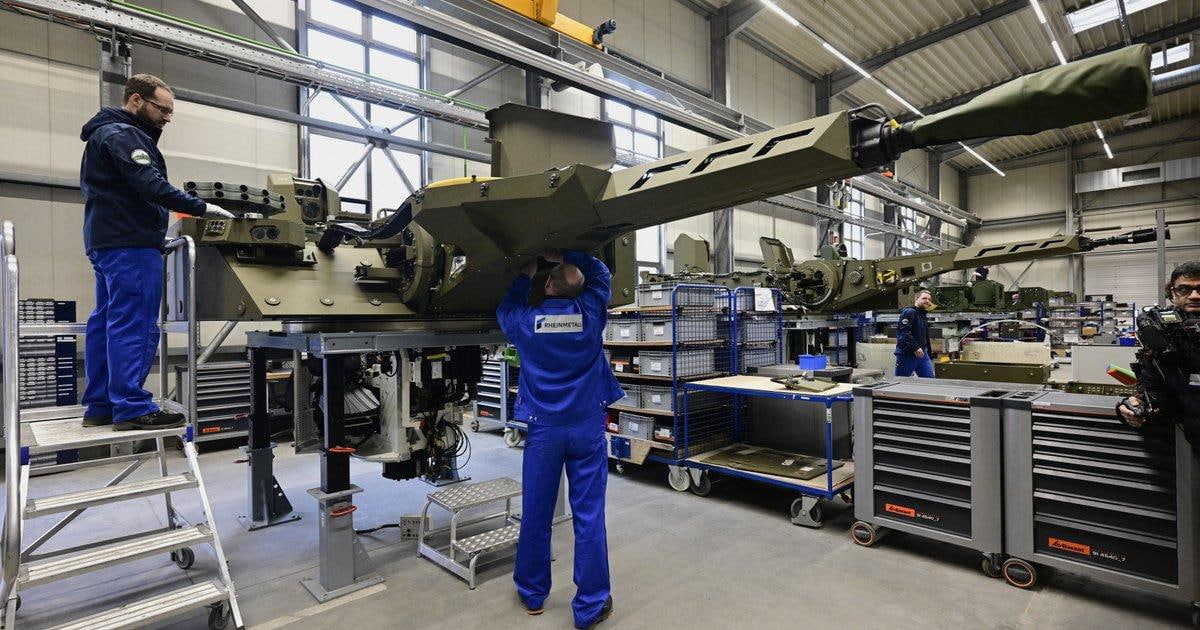
Greece intends to spend the pre-financing on priority projects it can start quickly. Officials in Athens have flagged air defence, ammunition stocks, and ground systems as early candidates, all categories that SAFE steers toward manufacturers based inside the Union. The loan structure means Greek taxpayers will repay the money over time, so the deal adds firepower without an immediate hit to the national budget.

The Commission approved funding for 18 member states between February and April 2026, and demand has run well ahead of supply. Governments asked to borrow as much as €188 billion, roughly €40 billion more than the instrument can currently provide. That gap has already sharpened talks in Brussels over whether a larger successor tool should follow.

SAFE sits inside the wider ReArm Europe push, which the Commission says could unlock more than €800 billion in defence investment across the continent by the end of the decade. Supporters argue that joint procurement cuts duplication, lowers unit costs, and builds the industrial base Europe needs to supply its own armies. Critics counter that loans still add to national debt and that spending targets mean little without the factories to fill the orders.

Analysts also read the Greek payment as a signal to markets and to Europe's defence firms. A steady flow of SAFE tranches gives manufacturers the confidence to hire, expand lines, and sign multi-year supply contracts, since they can see firm public money behind the orders. Governments in the Baltic states, Poland, and Romania have watched the scheme closely, and several have tied their own procurement plans to the pace of Commission disbursements. If Athens spends the first tranche cleanly and on schedule, Brussels gains a working example it can point to when it argues for a bigger and longer-lasting instrument.

For Athens, the first payment turns a political commitment into cash on the table. The Commission has said it will keep releasing tranches as governments hit agreed milestones, and Greece now becomes an early test of whether SAFE money moves from paper to hardware fast enough to matter. Details of the instrument sit in the Council's SAFE policy pages, while the Commission set out the Greek payment in its defence and space directorate announcement.