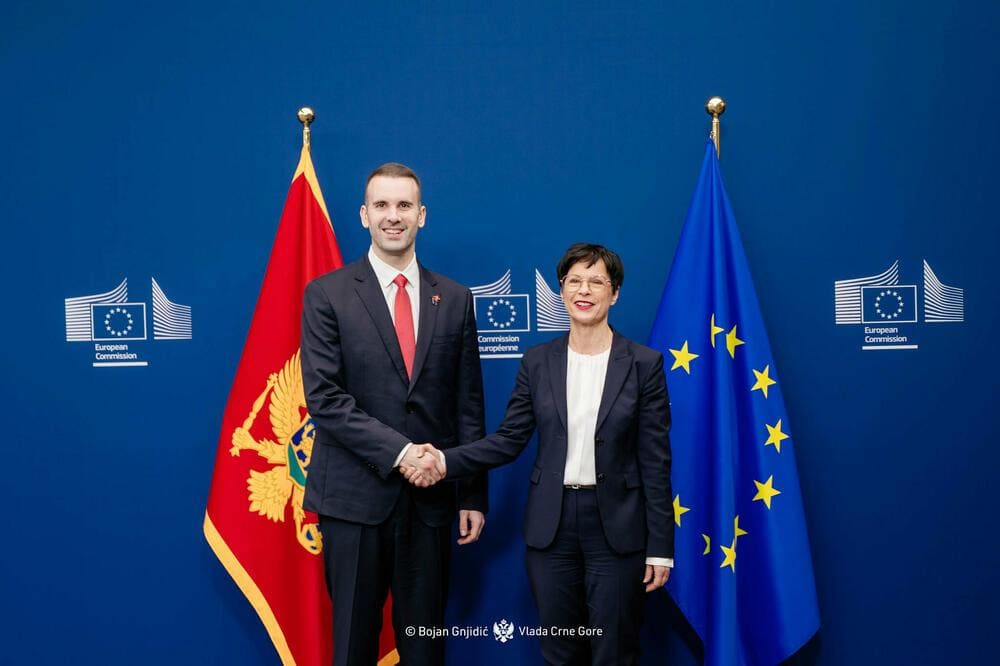
Dublin: Ireland took charge of the fight over the next EU budget on 1 July 2026, assuming the rotating presidency of the Council from Cyprus and making agreement on the bloc’s 2028-2034 finances the defining task of its six-month term.
The Irish presidency inherits a negotiation that has already turned tense. The Commission proposed a near two-trillion-euro Multiannual Financial Framework in July 2025, a package that would reorganise the EU budget into four broad chapters, cut the number of spending programmes from 52 to 16, and replace more than 500 regional instruments with a single tailored plan for each member state.
Facilitating timely agreement on the Union’s budget for 2028-2034 will be an overarching priority, the Irish presidency states in its published programme, promising continued intensive work on the EU’s own-resources system.
Parliament and the Council remain far apart. On 28 April 2026, MEPs adopted an interim report by 370 votes to 201, with 84 abstentions, demanding the framework be set at 1.27 percent of EU gross national income, worth roughly 1,789 billion euro in 2025 prices, plus a further 0.11 percent to repay NextGenerationEU debt.
The Council has offered less. The outgoing Cyprus presidency tabled its first figures on 11 June, proposing a commitments ceiling of about 1,730 billion euro, below what Parliament demands. Days later, on 16 June, the two Parliament rapporteurs rejected the Council’s move to trim the budget, signalling a hard road ahead.
Germany sits at the centre of the resistance. Berlin has argued that the Commission’s proposed increase is not financially viable, and no consensus has emerged on how to repay the shared NextGenerationEU debt without squeezing traditional spending on farming and regions.
Dublin’s stated priorities reach beyond the numbers:
- protecting the Common Agricultural Policy and Cohesion Policy inside the new structure;
- advancing talks on new own resources so the budget can fund itself;
- preparing the ground for the first EU enlargement since 2013.
The clock is the real pressure. Brussels wants a deal before the end of 2026 so that spending programmes can start on schedule on 1 January 2028; slippage would force stop-gap measures and delay payments to farmers, researchers and poorer regions. The Irish government, a traditional bridge-builder in Council talks, has cast itself as an honest broker between the big net contributors and the states that depend most on EU transfers.
The framework matters because it locks in the bloc’s spending priorities for seven years, shifting money toward defence, competitiveness and migration while capping what remains for cohesion and agriculture. Readers can follow the Commission’s plan on its long-term EU budget page and the Irish presidency’s aims on its official programme. Whether Dublin can close the gap before December will shape the EU budget for the rest of the decade.