Luxembourg: EU home affairs ministers meet in Luxembourg on 1 October, and the EU drugs strategy sits on their agenda as the Council tries to turn the Commission blueprint into a working framework. The Council forward look lists a discussion of the drugs strategic framework alongside readmission cooperation with non-EU countries, migration and asylum implementation and Schengen operations.
The Commission presented the strategy on 4 December 2025 together with an action plan against drug trafficking and updated rules on drug precursors. The package rests on five priorities: preparedness and threat response, public health and prevention, security, reduction of drug-related harm, and international partnerships. Ministers now decide how far national policies follow the EU drugs strategy structure.
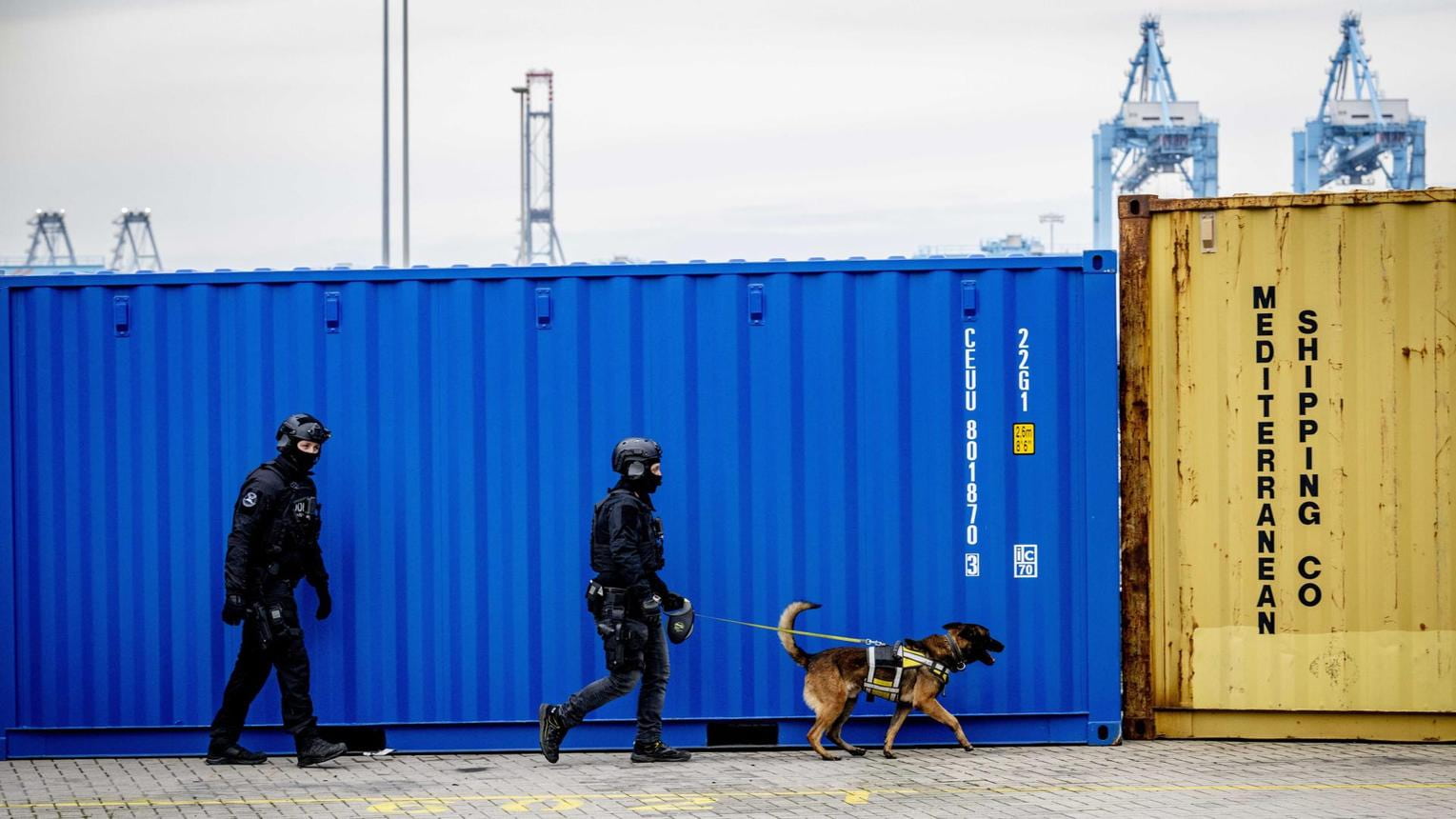
Security measures form the sharpest edge of the EU drugs strategy. The Commission wants closer public-private cooperation against smuggling through postal and parcel deliveries. It also promises a new EU Ports Strategy to protect supply chains, since criminal networks exploit large container hubs. A Security and Innovation Campus is due to launch in 2026 to bring research and law enforcement closer together.
The EU drugs strategy also tackles how gangs recruit. The Commission proposes an EU toolbox against the criminal recruitment of minors and a separate action plan to protect children against crime. Those steps acknowledge that trafficking organisations lean on young people for low-level tasks, which makes prevention work as important as arrests.
On chemistry, the EU drugs strategy proposes real-time reporting of drug precursor seizures and a ban on designer precursors. Criminals use such substances to dodge existing controls, so regulators want faster information and fewer legal gaps. The EU Drugs Agency gets a stronger mandate to identify new psychoactive substances, issue rapid alerts and assess the risks of potent synthetic opioids.
The Council has already moved on the file. In June it announced progress on implementing the new action plan against drug trafficking, and Agence Europe reported that governments had sketched the architecture of the new strategic framework. The 1 October debate is the next step, and it shows whether ministers accept shared deadlines or prefer flexible national approaches.
Readers can check the underlying documents on the Commission home affairs page, the Council forward look and the Council’s June update on the trafficking action plan.
The EU drugs strategy will only matter if governments fund ports, border teams and prevention services to match its ambitions. The Luxembourg talks give ministers a chance to attach names, budgets and dates to the plan, and they will show whether the framework becomes an operational tool for Europe.