Brussels: The European Commission confirmed this week that its SAFE loans are now reaching national treasuries, with Poland drawing a 6.6 billion euro pre-financing payment and Cyprus collecting 177.2 million euro under the bloc’s 150 billion euro defence instrument. The disbursements mark the moment the Security Action for Europe programme shifts from paper commitments to cash for weapons and joint procurement.
Commissioner for Defence and Space Andrius Kubilius has driven the rollout since the Commission proposed the instrument on 19 March 2025. Between 11 February and 10 April 2026, the Council green-lit defence funding under SAFE for 18 member states after the Commission assessed their national investment plans.
Warsaw signed its loan agreement in May 2026 alongside Lithuania, Croatia, Romania and Belgium, and received the first pre-financing transfer on 29 May. Nicosia followed on 18 June, taking 15 percent of its total 1.2 billion euro envelope.
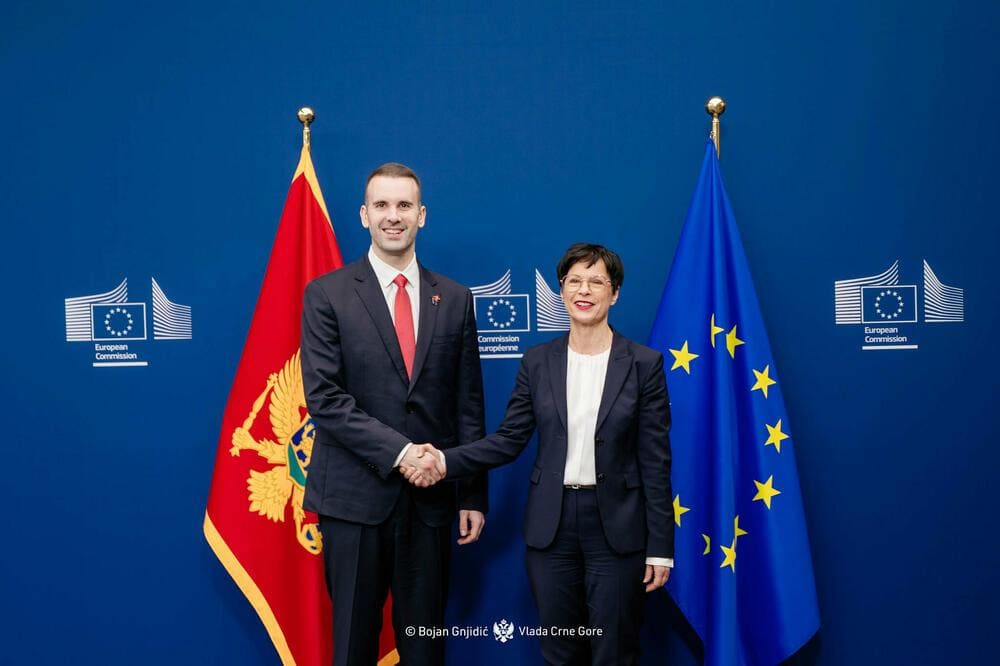
The pre-financing for Cyprus shows Europe’s commitment to strengthening our common security and defence, Kubilius said, calling SAFE the financial engine of a rearming continent.
The instrument works differently from most EU money. It lends rather than grants, and member states repay on favourable terms while committing to buy together. The Commission designed the loans to bankroll flagship capability projects that will shape Europe’s defence architecture after 2026.
Key figures behind the programme include:
- 150 billion euro in loans available on demand through 2030.
- 18 member states cleared for funding in the first assessment round.
- 15 of 19 national plans include joint projects with Ukraine.
- 6.6 billion euro paid to Poland and 177.2 million euro to Cyprus so far.
Ukraine and the EEA and EFTA countries can join common procurements on equal terms, even though only member states can borrow. Brussels also opened the door to Canadian industry after concluding a bilateral agreement in June 2026, widening the pool of suppliers eligible for jointly funded contracts.
Supporters argue the loans let smaller economies buy scarce systems such as air defence and ammunition at scale, cutting unit costs and avoiding duplication across 27 armies. Critics warn that adding borrowing to already stretched budgets could crowd out other spending, and several capitals, including Rome, have stayed out of the first waves.
The Council originally endorsed the 150 billion euro ceiling as part of a wider push to raise European defence output amid pressure from Washington and continued war on the bloc’s eastern flank. You can read the Commission’s confirmation of the first Polish payment and the details of the wider SAFE instrument on the institutions’ own pages.
With disbursements now flowing monthly, attention turns to whether the borrowed billions translate into delivered equipment. The Commission has promised regular reporting on how each national plan converts loans into hardware, a test of whether Europe can rearm as quickly as its leaders now insist it must.