Lille: Member states must start applying the EU parcel handling fee on small consignments sold at a distance no later than 1 November 2026, under the customs overhaul that Council and Parliament agreed on 26 March. The Commission will set the level of the fee in a delegated act, and the Council press release states no amount. Platforms and sellers, not shoppers, carry the bill as importers.
Cypriot finance minister Makis Keravnos, who chaired the talks, called the deal “the greatest reform since the creation of the Customs Union in 1968”. Packages worth under €150 used to enter the EU duty-free, and the reform ends that exemption, EU Perspectives reported. The EU parcel handling fee replaces that gap in the rulebook.
The rules behind the EU parcel handling fee treat platforms and distance sellers as importers. They must handle customs formalities and payments, and they need an EU establishment or an EU-based representative. A new penalty system hits operators that systematically fail to comply, with fines reported at up to 6% of annual imports for repeat offenders.
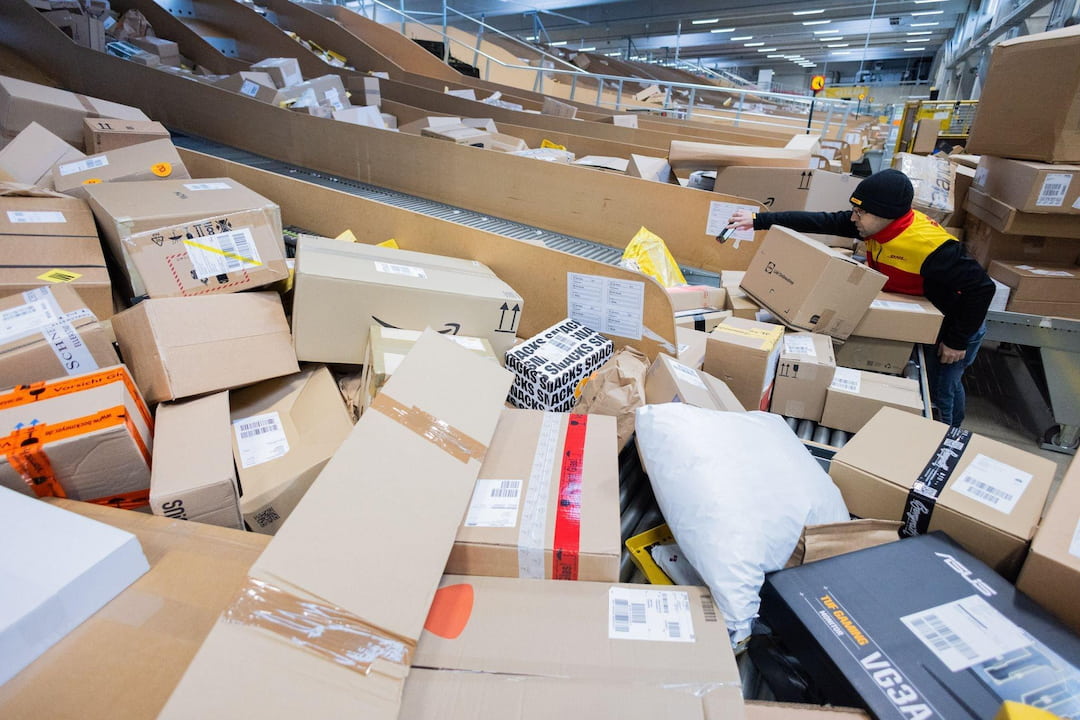
The scale explains the push. About 5.9 billion low-value items entered the EU in 2025, mostly from Temu, Shein and AliExpress. In 2024, customs authorities detained 112 million counterfeit items and flagged 64,000 dangerous products, so the EU parcel handling fee arrives alongside tougher enforcement.
Institutions change as well. A new EU Customs Authority will sit in Lille, analyse data to spot risky cargo and coordinate customs crises at EU level. The EU Customs Data Hub will let traders submit information once instead of to up to 27 national systems, starting for e-commerce goods on 1 July 2028 and covering all goods movements by 1 March 2034.
Reliable traders get a reward. The reform creates a trust and check category with streamlined obligations, and the most dependable can release goods into circulation without active customs intervention. The Council and Parliament must still finish technical details before final adoption, and the full legislation applies 12 months after publication in the Official Journal.
Member states face practical work before the deadline. Customs offices must adapt systems, platforms must register as importers, and carriers need clarity on who pays at the border. Small online sellers outside the EU may have to appoint a representative, which adds cost and could push some of them to leave the market.
Retailers and shoppers now wait for the Commission to publish the figure. The customs union handles trade worth more than €4.3 trillion and collected almost €27 billion in duties in 2024, so the level of the EU parcel handling fee will matter well beyond cheap fashion orders. The delegated act is the next date to watch before 1 November.