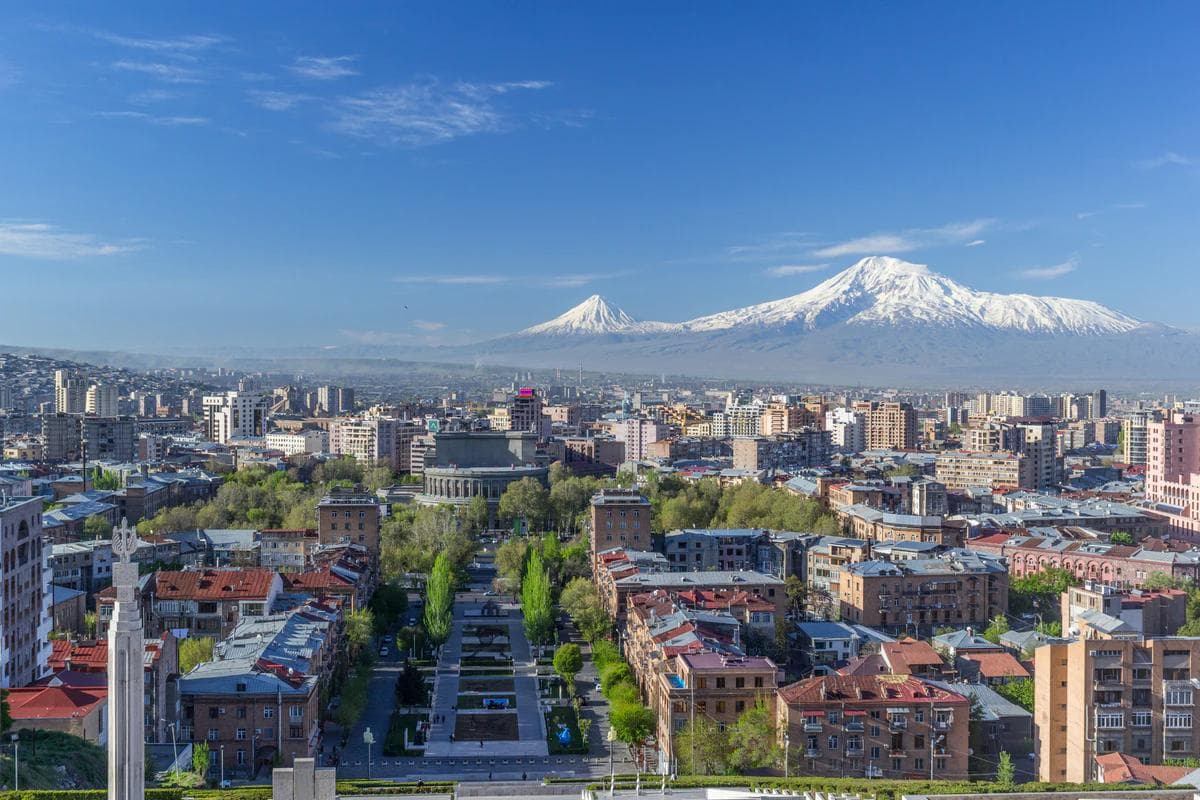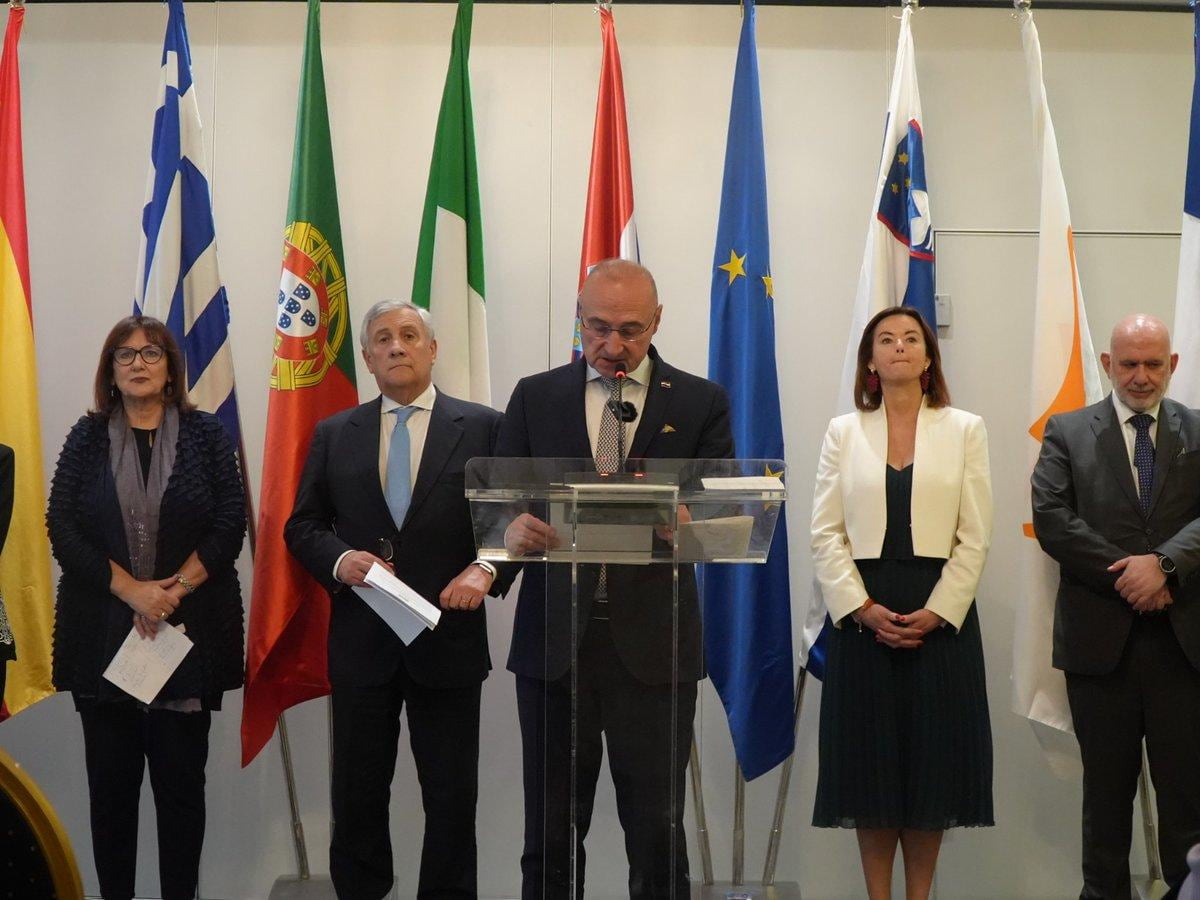
Baku: Azerbaijan partnership priorities for 2026 to 2030 still await final approval, and a Council working group has just spent three days in the country to gauge how far Brussels and Baku can take them. The Working Group on Eastern Europe and Central Asia, known as COEST, visited Azerbaijan from 30 September to 2 October after stopping first in Armenia. A delegation press release published on 7 October says the group met officials and exchanged views on bilateral and regional relations.
The release names no agreements, no projects and no interlocutors, so the visit reads as groundwork rather than a breakthrough. Weronika Frydryszek chaired the delegation, which included member state representatives and staff from the Council Secretariat, the European External Action Service and the Commission. Such trips matter because capitals, not only Brussels institutions, must back the Azerbaijan partnership priorities and any deeper arrangement with Baku.
The document at the centre of that effort is the draft set of Azerbaijan partnership priorities. Negotiators led by Deputy Foreign Minister Yalchin Rafiyev and EEAS Deputy Managing Director Audrone Perkauskiene provisionally agreed it in Baku on 2 and 3 June. Both sides also restarted talks on a new comprehensive agreement and promised intensive rounds online and in person, though they gave no dates.
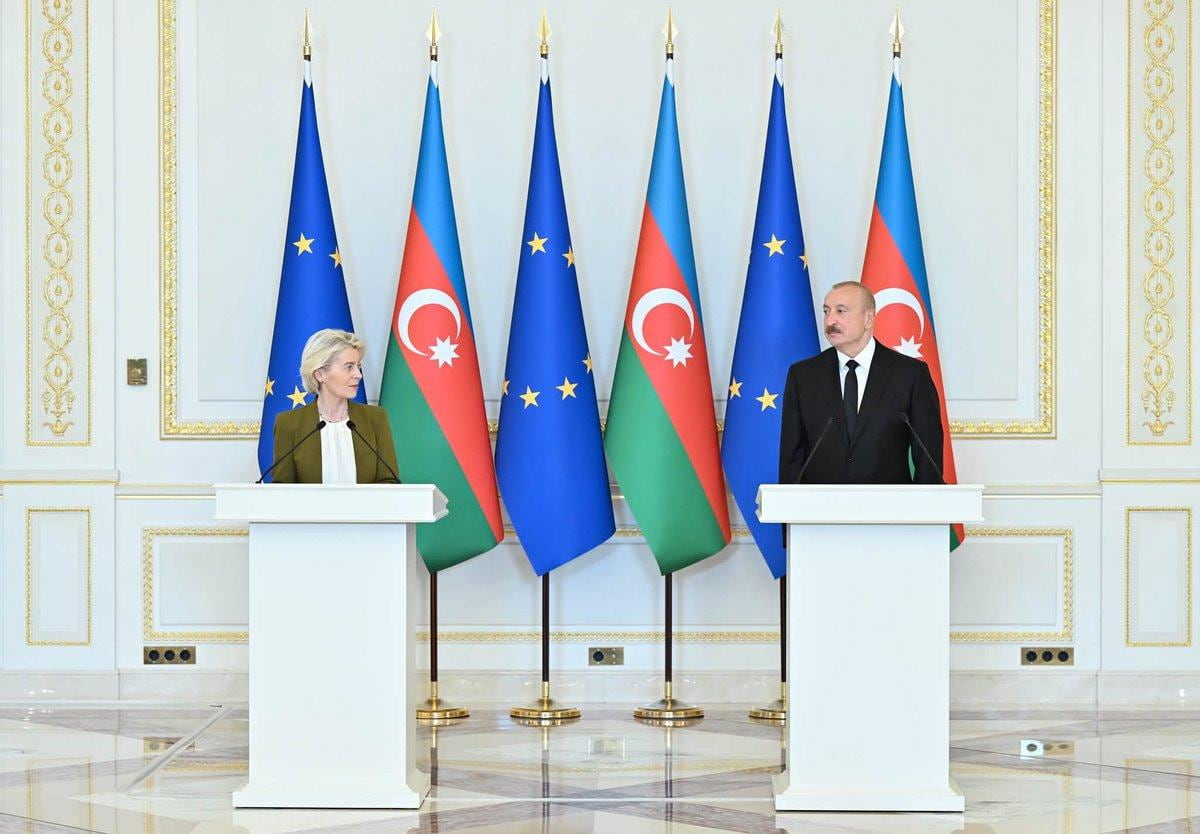
Money and connectivity give the talks weight. During her visit to Baku on 1 July, Commission President Ursula von der Leyen announced up to €200 million in grants for connectivity and peace in the South Caucasus. Her trip was the first to Azerbaijan since 2022, and it followed a March meeting in Baku between European Council President António Costa and President Ilham Aliyev. Press reports at the time said the two sides were exploring a framework that would cover defence, security and digital cooperation.
Energy remains the anchor of the relationship. The EU and Azerbaijan signed a strategic energy partnership in 2022, and sixteen European countries, ten of them EU members, now receive Azerbaijani gas, with Italy the largest buyer. Raising volumes would require a bigger Trans-Adriatic Pipeline, which is a commercial and political decision for several governments. The Azerbaijan partnership priorities will show whether Brussels wants gas alone or a wider agenda that includes rules, trade and governance.
Transport is the second pillar. The Commission launched a Connectivity Agenda Platform in late June for Middle Corridor projects, with EU funding above €80 million so far and an ambition to mobilise more than €2 billion. Officials say trade along the route is four times its 2022 level, and they want to cut shipping times to Romania from up to 45 days to 15. Faster corridors would give Azerbaijan new leverage as a transit state, and they would give the Union a route that avoids Russia.
Hard questions sit behind the warm language. A deeper agreement would put human rights, media freedom and civil society on the table, and the European Parliament has often criticised Baku on those points. Member states that value Azerbaijani gas may prefer quiet diplomacy, while others will want clear conditions. The Azerbaijan partnership priorities need to balance those instincts, or they risk becoming a list of shared goals that nobody can measure.
Three markers will show progress: a date for the next negotiating round on the comprehensive agreement, formal approval of the document, and visible delivery of the €200 million package. If those arrive in the coming months, the relationship will move from declarations to a working framework. Until then, the Azerbaijan partnership priorities remain a draft that both sides describe warmly but have not yet finished.