Benghazi: Libya migration cooperation between the European Union and the country’s eastern authorities is moving from quiet contacts to a written plan, according to a leaked document published by Statewatch in May. The text is a technical arrangement dated 20 May 2026 involving the EU naval mission Operation Irini and Libyan institutions responsible for law enforcement and search and rescue at sea, which the report identifies as the eastern forces under General Khalifa Haftar.
The arrangement lists support the Union would provide. It covers capacity building and training for coastal authorities in north-east Libya, together with the refurbishment and equipping of maritime coordination structures. The plan includes a Maritime Rescue Coordination Centre and a regional migration coordination centre based in Benghazi. A January report by researcher Matthias Monroy had already described plans for an EU-funded rescue coordination centre there.
The Libya migration cooperation document is silent on money. It states no budget, and says that further financial terms will depend on mutual understanding among the participants, while individual member states may add infrastructure, equipment or support. That openness makes Libya migration cooperation hard to scrutinise, because Parliament and civil society cannot compare costs with results. It also leaves unclear which European budget line, if any, carries the risk.
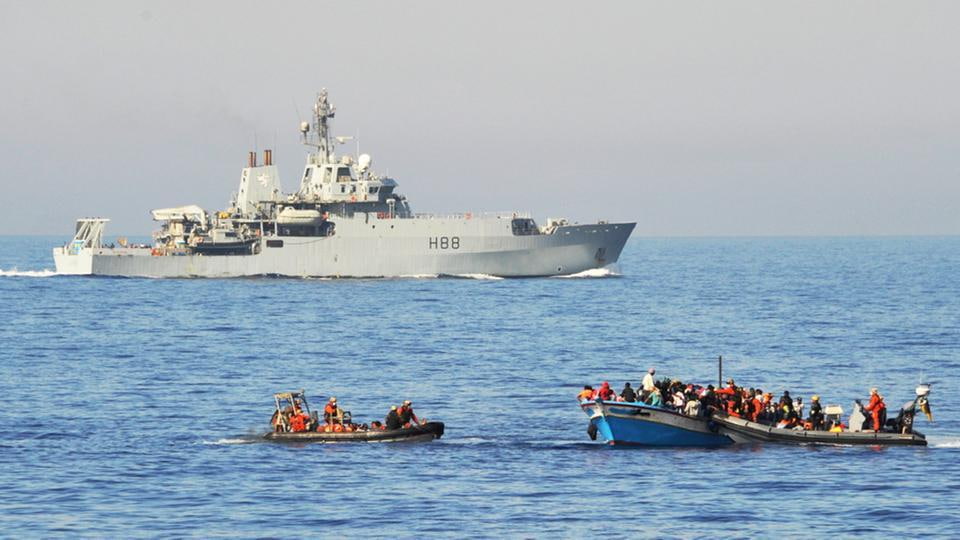
Political context raises the stakes for Libya migration cooperation. Libya remains divided between rival authorities, and any partnership with the east risks undermining efforts to support a unified government in Tripoli. Human rights groups have long documented abuses against migrants held or returned by Libyan forces, and they warn that building the capacity of coastal units can mean more interceptions without safeguards. Supporters respond that coordinated rescue at sea saves lives and that Europe cannot stay absent from the central Mediterranean.
The timing is important for the Union itself. The Migration Pact has applied in full since 12 June, and its logic of external partnerships, return hubs and faster border procedures depends on cooperation with countries of departure. Ministers have also been discussing Tunisia, where President Kais Saied asked to rebalance the partnership, so Libya is part of a wider debate on whether Europe sets conditions or accepts what partners offer.
Three tests will show whether Libya migration cooperation of this kind is defensible. First, the Union should publish the full text, the cost and the monitoring framework. Second, it should set clear human rights benchmarks, with independent verification, before any equipment is delivered. Third, it should show how contacts with Benghazi fit alongside engagement with Tripoli, so that the approach strengthens rather than splits Libyan institutions.
The Mediterranean debate in the coming weeks will reveal whether Brussels is ready to defend this model in public. Libya migration cooperation can reduce deaths at sea only if it is transparent, accountable and tied to protections that the Union is willing to enforce. Without them, the Benghazi project will remain a controversial symbol of externalised border management.