
Canberra: Europe has spent the better part of a decade trying to loosen China’s grip on the minerals that power its factories, and in early 2026 it finally found a partner willing to help. The free trade agreement Brussels and Canberra concluded in March, after eight years of stop-start negotiation, hands Australian exporters tariff-free entry into the European market for lithium, antimony, tungsten and rare earths.
The deal reads as an economic document, but its logic is strategic. Brussels values a stable, like-minded supplier of the raw materials behind electric vehicles, wind turbines and defence electronics far more than the headline tariff savings. The agreement also upgrades the 2024 Strategic Partnership on Sustainable Critical Minerals, tying resource access to shared standards on labour and the environment.
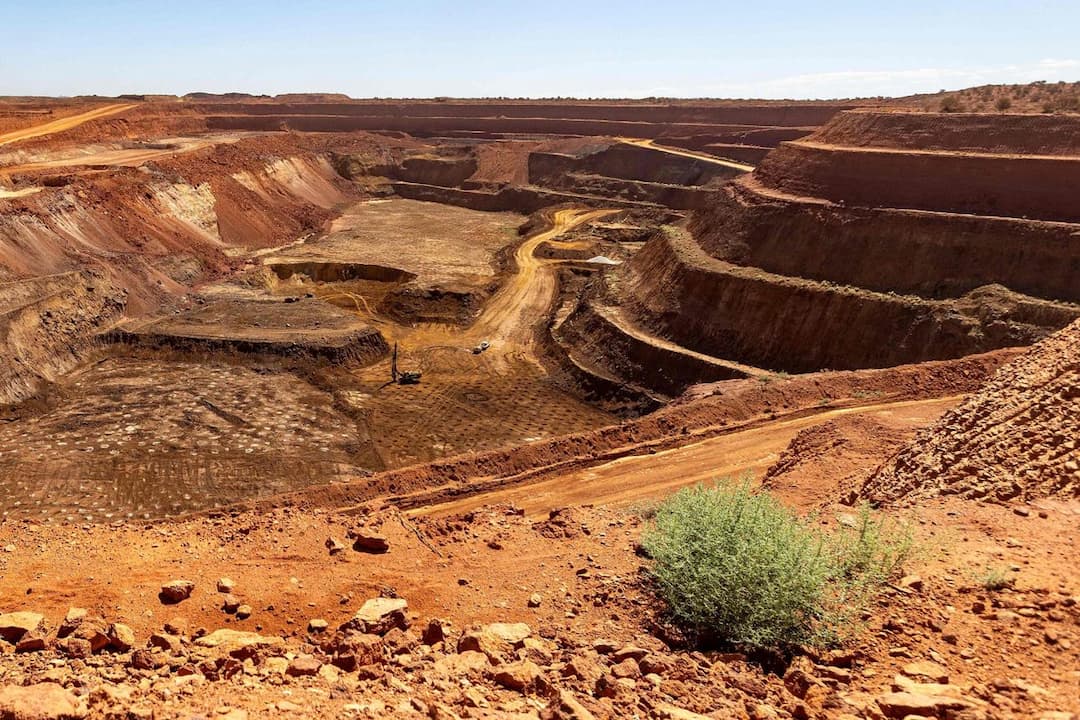
Australia brings genuine weight to the table. It holds some of the world’s largest reserves of lithium and rare earths, and its mines already supply much of the lithium that ends up in European battery plants. Canberra, in turn, wants European capital and technology to build the refining capacity it has long lacked.
That ambition exposes the deal’s central limitation. Digging ore is the easy part. China still controls roughly 70 percent of global rare earth mining, close to 90 percent of separation and refining, and about 93 percent of permanent magnet production. An Australian mine cannot bypass that chokehold overnight, because the ore it extracts often still travels to Chinese refineries before it becomes anything useful.
Analysts have been blunt that the pact buys resilience, not independence. The Lowy Institute argued that the agreement plays a long game rather than offering a short cut. Building refineries, magnet factories and skilled workforces outside China will demand years of sustained investment and prices high enough to justify it.
Europe grasps this. The agreement works alongside the bloc’s Critical Raw Materials Act, which sets targets for how much of each strategic mineral the EU should mine, process and recycle within friendly jurisdictions by 2030. Australia fits neatly into that architecture as a trusted node rather than a silver bullet.
The politics still carry risk. Australian producers fear that European environmental rules could slow approvals, while several European carmakers want guarantees on volume before they commit to new supply chains. Neither side wants to swap one dependency for a fresh set of bottlenecks.
For now, the agreement ranks among the more consequential trade outcomes of the year. It will not free Europe from Chinese refining this decade, but it gives Brussels a credible partner, a legal framework and a clear direction of travel. In a contest increasingly defined by who controls the inputs of the green economy, that counts as progress worth having.


