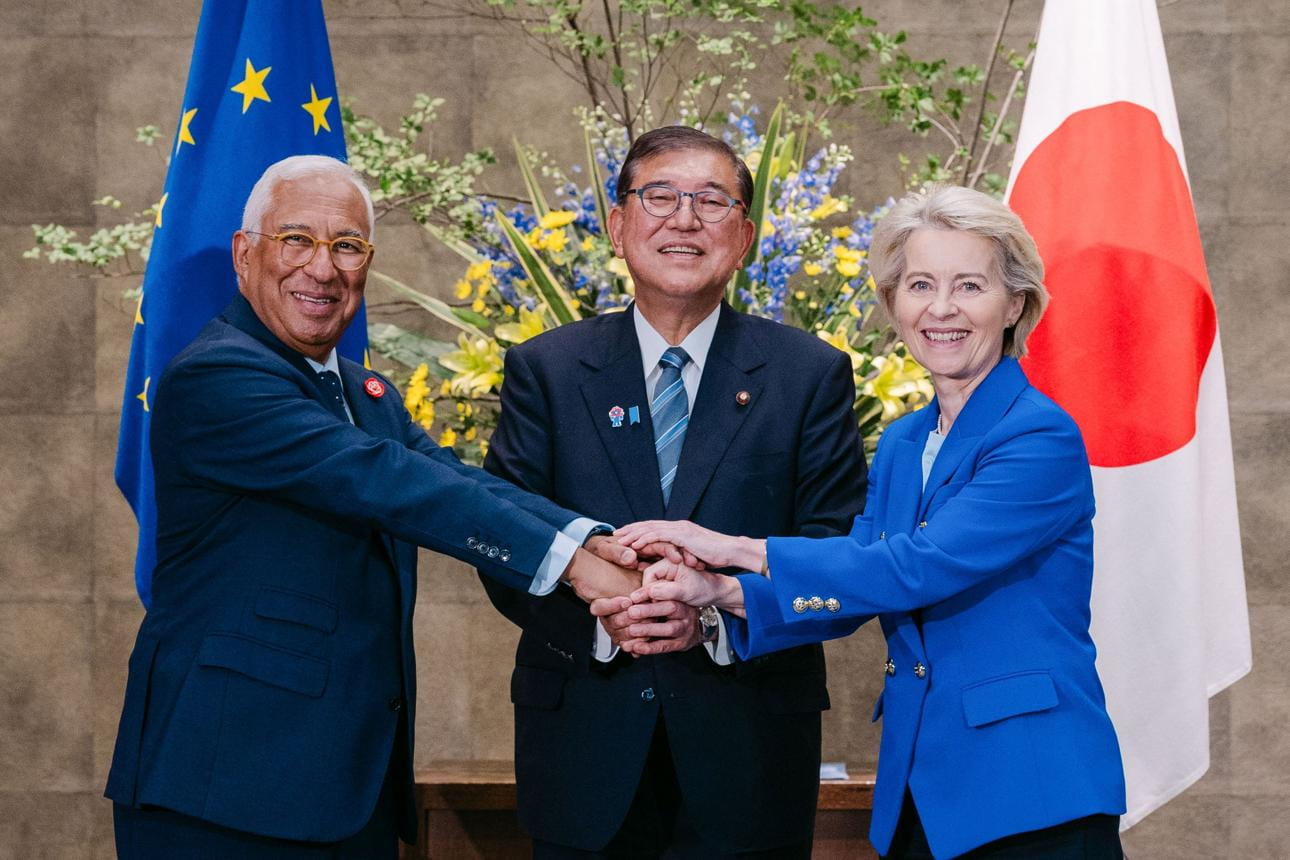
Tokyo: Two economies that live by trade are quietly building a wall around the materials that keep their factories running. At the seventh EU-Japan High-Level Economic Dialogue, held in Brussels on 7 May 2026, ministers pledged tighter cooperation on economic security and resilient supply chains, naming critical minerals, batteries and clean technology as the first places to act (joint statement).
The work flows from the Competitiveness Alliance the two sides launched at their Tokyo summit in July 2025 (EU-Japan summit). That framework stretched across data flows, artificial intelligence, quantum research and supply-chain resilience, but the sharpest edge concerns raw inputs. Both Europe and Japan import most of their rare earths and depend on a single supplier, China, for the refining that turns ore into usable metal.
Progress is becoming concrete rather than rhetorical. Ministers welcomed matchmaking sessions that pair European and Japanese firms under the Union’s Critical Raw Materials Act, and they backed a memorandum linking Japan’s battery supply-chain association with the European Battery Alliance and the recycling group RECHARGE. The aim is to knit two industrial bases together so that batteries, and the minerals inside them, no longer flow through one chokepoint.
The ambition runs wider than the current deals. Both governments list hydrogen, offshore wind, solar power, steel, robotics, biotechnology, defence industries and space among the sectors ripe for joint work, and in February 2026 they began sketching a trilateral arrangement with the United States to diversify the mining, refining and recycling of critical raw materials.
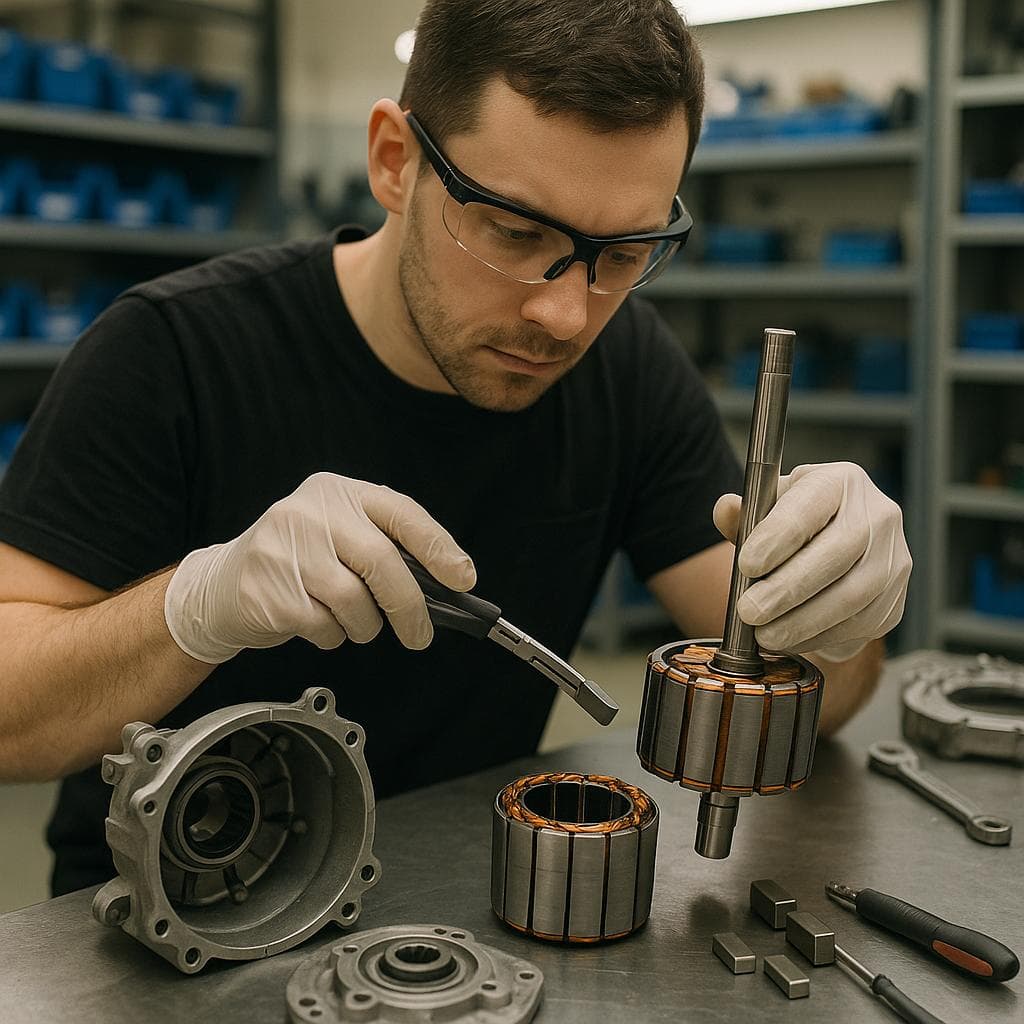
The urgency is not abstract. China’s tightening of rare-earth export controls through 2025 jolted European manufacturers who suddenly could not count on the magnets that sit inside electric motors, wind turbines and guided weapons. Japan learned the same lesson far earlier, when Beijing throttled rare-earth shipments during a territorial dispute in 2010 and forced Tokyo into a long, costly hunt for alternative sources. That shared memory of leverage turned into pressure now drives both capitals toward each other.
None of this amounts to cutting China loose. Beijing remains the largest trading partner for both, and neither Tokyo nor Brussels can conjure mines and refineries overnight. Diversification, not decoupling, is the honest description, and it is slow, expensive and capital-hungry work that rewards patience over announcements.
That is where the alliance will be tested. Matchmaking sessions and memoranda are cheap; new refineries and recycling plants are not, and they take years to permit and build. The partners have named the right problem and lined up the right instruments. Whether the rare earths and batteries actually start moving through European and Japanese hands, rather than Chinese ones, is the measure that will matter, and it will not be answered this year.