
Mumbai: The India EU free trade agreement is moving from negotiation to execution, and the customs talks held in Brussels in early November 2026 show where the real work now lies. Commerce Secretary Rajesh Agrawal met senior European Commission trade and customs officials to settle questions on trade facilitation, origin rules and market access before a planned signing in mid-December.
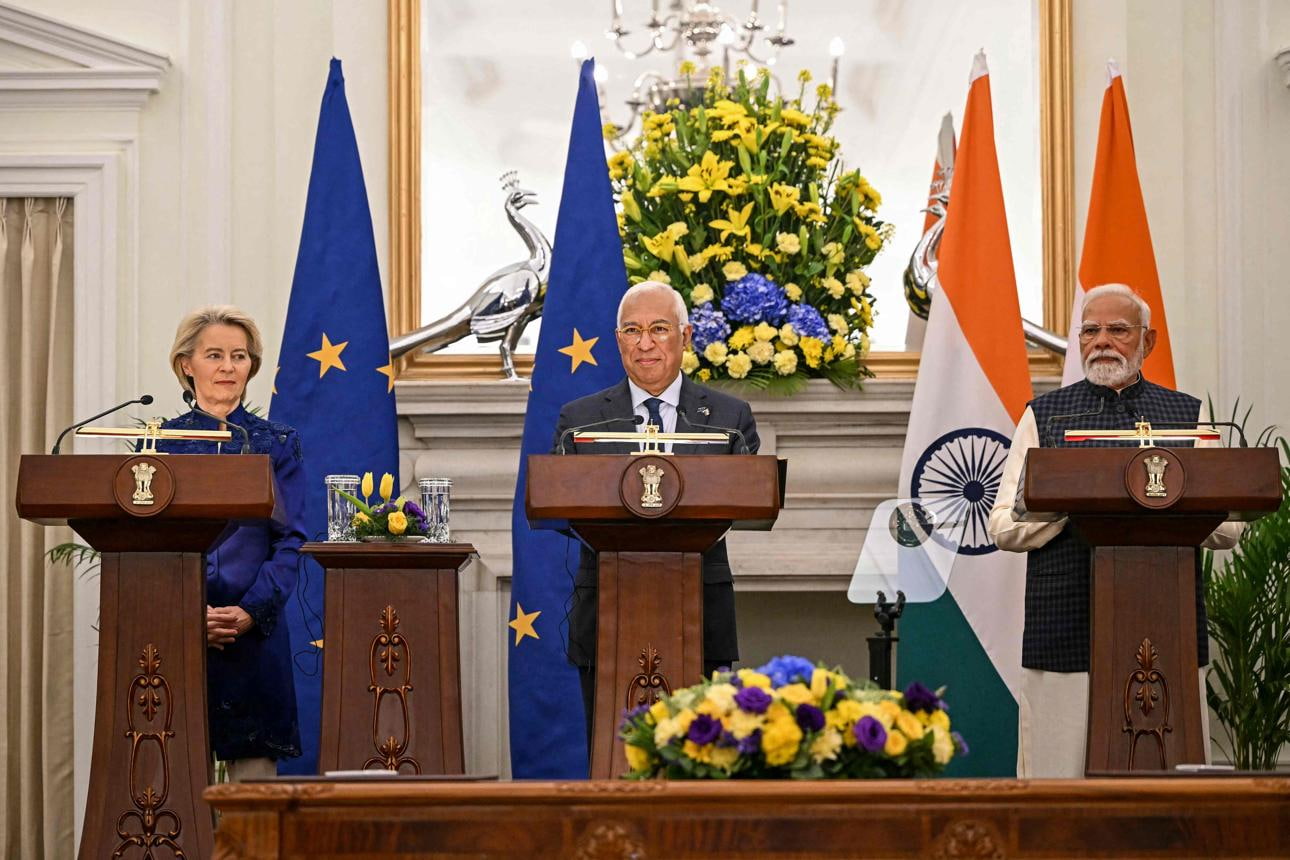
That timetable matters for exporters in Mumbai, Surat and Tiruppur. Negotiators concluded the main chapters at the 16th India-EU Summit on 27 January 2026, and lawyers have spent the months since scrubbing the text. European Parliament Foreign Affairs Committee chair David McAllister has said Prime Minister Narendra Modi is expected in Brussels for the ceremony.
The commercial stakes explain the urgency. Bilateral goods trade reached roughly €118 billion last year, and the deal liberalises 96.6% and 99.3% of trade value on the two sides. Indian leather, textiles, gems and jewellery would gain duty-free entry to the single market, while European machinery, chemicals and wines would face far lower Indian tariffs.
Yet a signature is not the same as market access. Customs authorities must agree how they verify origin, share data and handle disputes over preferential treatment. If those procedures stay vague, small exporters will pay for certificates and audits that eat into the tariff savings the India EU free trade agreement promises on paper.
The November meetings therefore focused on unglamorous detail. Officials discussed electronic exchange of origin information, the treatment of goods that pass through third-country hubs, and the role of approved exporter schemes. Each choice will shape how quickly a garment maker in Tamil Nadu or a pharmaceutical firm in Hyderabad can use the new preferences.
The India EU free trade agreement also faces a European political calendar. The Parliament must give consent, and officials hope for a vote by spring 2027, with entry into force targeted for mid-2027. MEPs will scrutinise the trade and sustainable development chapter, labour provisions and the interaction with the Carbon Border Adjustment Mechanism, which Indian steel and aluminium producers continue to criticise.
For the Commission, the India EU free trade agreement anchors a wider diversification strategy. Brussels has closed deals with Mercosur, Mexico, Indonesia and Australia in quick succession, and India adds a market of 1.4 billion people to that network. Officials present it as proof that the European Union can still write rules for open trade while tariffs rise elsewhere.
New Delhi sees the India EU free trade agreement through a different lens. It wants access for services professionals, recognition of qualifications and predictable treatment under European regulations on deforestation, carbon and product safety. Indian negotiators have argued that market access gains mean little if compliance costs block smaller firms.
The coming weeks will test both capitals. A clean signing in December would give the agreement momentum before the Parliament debate, while any late dispute over customs or origin rules could push the timetable into the second half of 2027.
The India EU free trade agreement will ultimately be judged on whether firms use it. Utilisation rates for earlier EU deals have often lagged, and both governments now need to explain the rules to exporters before the tariff schedules start to bite. That outreach, more than the ceremony itself, will decide whether the India EU free trade agreement lives up to its scale.


