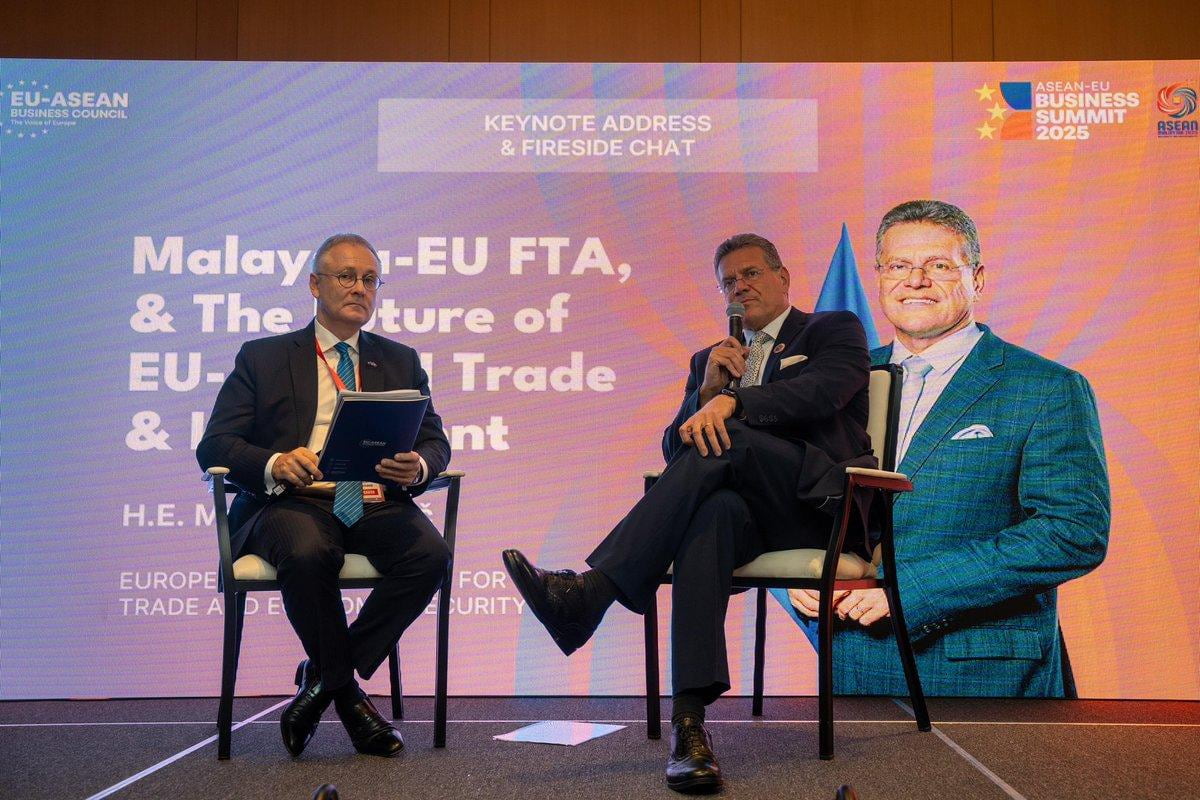
Kuala Lumpur: The Malaysia trade pact with the European Union will not close this year after all. Trade and Industry Minister Johari Abdul Ghani told the third EU-Malaysia Business Day on 13 October 2026 that negotiations should finish by June 2027, and he added that a few unresolved issues still need discussion.
The event at the Kuala Lumpur Convention Centre drew about 700 people and preceded the Selangor International Business Summit. Commissioner for International Partnerships Jozef Síkela and EU Ambassador Rafael Daerr attended, along with more than 16 EU member-state ambassadors, a turnout that shows how much political weight Brussels attaches to Southeast Asia.
Johari framed the remaining difficulty as a matter of coordination. Malaysia, he said, must weigh the positions of the other countries involved, and the agreement will bind Malaysia and all 27 EU member states. That is a polite reference to a familiar problem, because palm oil, deforestation rules and sustainability commitments have long shadowed EU talks with Southeast Asian producers, and each member state brings its own red lines to the table on the Malaysia trade pact.
Semiconductors give the Malaysia trade pact its strategic edge. Malaysia accounts for about 13 percent of global chip assembly, testing and packaging and more than 7 percent of semiconductor trade, figures the EU side highlighted in Kuala Lumpur. For a Union that wants resilient chip supply under its Chips Act and is still debating a second version, those numbers make the agreement as much a technology and supply-security instrument as a market access deal.
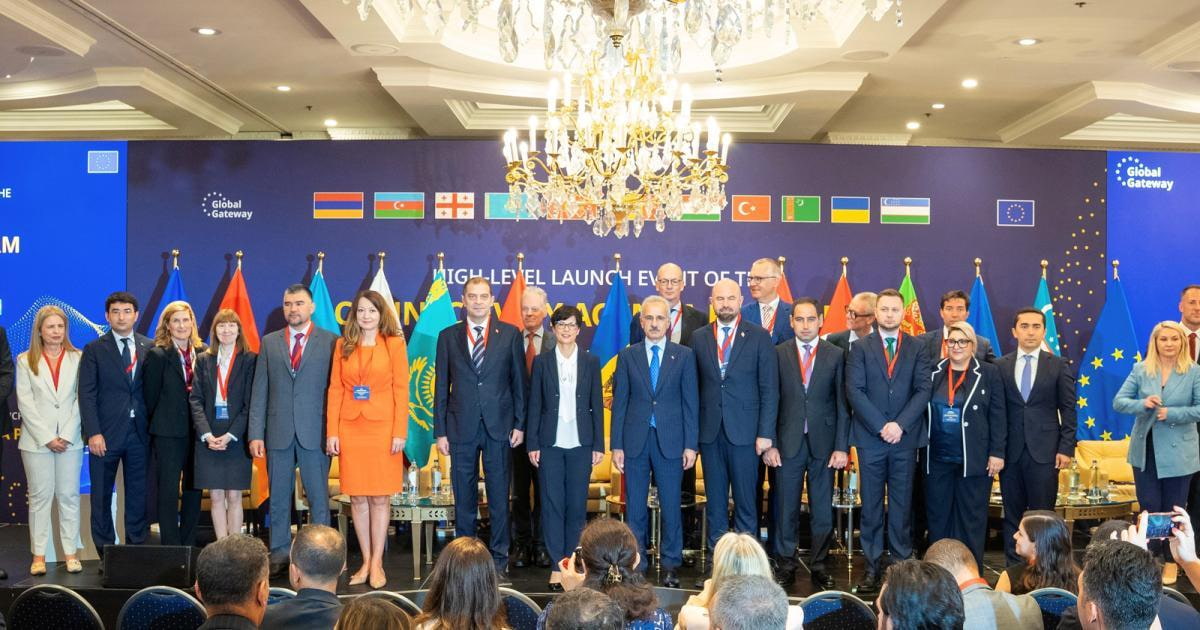
The EU also used the forum to sell a wider package. It pointed to renewable energy, digitalisation, infrastructure, green ports and cross-border electricity systems as areas where European firms and finance can help Malaysia move up the value chain. That pitch fits the Global Gateway logic, in which trade rules, investment and technical cooperation reinforce one another instead of running on separate tracks.
Labour policy added a note of realism. Johari said Malaysia will keep allowing foreign workers, but only for so-called 3D jobs, meaning dirty, dangerous and difficult work, as the country shifts toward higher-value activity. Brussels will read that statement alongside its own rules on forced labour and supply-chain due diligence, and negotiators will need a labour and sustainability chapter in the Malaysia trade pact that both capitals can defend at home.
A June 2027 target leaves negotiators roughly eight months to close the gaps. Whether the Malaysia trade pact lands on time will depend on how far Kuala Lumpur can bend on sustainability language and how far member states will bend on market access, with chips as the shared incentive to finish.