August 7, 2026
LATEST
New Zealand Trade With Europe Hits a Record in Its First YearEurope Locks Chinese Medical Devices Out of Its Public TendersHow Far Can Europe and Japan Take Their New Security Pact NowSeoul’s Gamble on Europe’s Research Money Is Starting to Pay OffEurope Freezes Its Retaliatory Tariffs on the US IndefinitelyAir Passenger Rights Get Their First Big Rewrite in 20 YearsFive Joint Defence Projects Win Brussels Backing and Shared CashTobacco Tax Overhaul Stalls as Governments Block UnanimityCritical Medicines Act Heads for Final Adoption This AutumnMoldova Accession Reaches Its Foreign-Policy ChapterMercosur Tariffs Fall as Europe’s Farmers Watch the GaugesWhy Europe’s Digital Fairness Act Worries Online RetailersErasmus+ Faces a Budget Fight Before Its 2028 RelaunchMedia Freedom Rules Turn One as Enforcement LagsPlatform Work Rules Push Member States Toward a December ReckoningSingle Ticket Plan Would Let One Booking Cover Europe by RailHungary Races an August Deadline to Unlock Its Recovery FundsCapitals Race a September Deadline to Restore NatureEuro-Zone Inflation Nudges Back Up as Energy Bills ClimbRed Bull Case Tests a New Frontier in EU AntitrustNew Zealand Trade With Europe Hits a Record in Its First YearEurope Locks Chinese Medical Devices Out of Its Public TendersHow Far Can Europe and Japan Take Their New Security Pact NowSeoul’s Gamble on Europe’s Research Money Is Starting to Pay OffEurope Freezes Its Retaliatory Tariffs on the US IndefinitelyAir Passenger Rights Get Their First Big Rewrite in 20 YearsFive Joint Defence Projects Win Brussels Backing and Shared CashTobacco Tax Overhaul Stalls as Governments Block UnanimityCritical Medicines Act Heads for Final Adoption This AutumnMoldova Accession Reaches Its Foreign-Policy ChapterMercosur Tariffs Fall as Europe’s Farmers Watch the GaugesWhy Europe’s Digital Fairness Act Worries Online RetailersErasmus+ Faces a Budget Fight Before Its 2028 RelaunchMedia Freedom Rules Turn One as Enforcement LagsPlatform Work Rules Push Member States Toward a December ReckoningSingle Ticket Plan Would Let One Booking Cover Europe by RailHungary Races an August Deadline to Unlock Its Recovery FundsCapitals Race a September Deadline to Restore NatureEuro-Zone Inflation Nudges Back Up as Energy Bills ClimbRed Bull Case Tests a New Frontier in EU Antitrust
August 7, 2026
LATEST
New Zealand Trade With Europe Hits a Record in Its First YearEurope Locks Chinese Medical Devices Out of Its Public TendersHow Far Can Europe and Japan Take Their New Security Pact NowSeoul’s Gamble on Europe’s Research Money Is Starting to Pay OffEurope Freezes Its Retaliatory Tariffs on the US IndefinitelyAir Passenger Rights Get Their First Big Rewrite in 20 YearsFive Joint Defence Projects Win Brussels Backing and Shared CashTobacco Tax Overhaul Stalls as Governments Block UnanimityCritical Medicines Act Heads for Final Adoption This AutumnMoldova Accession Reaches Its Foreign-Policy ChapterMercosur Tariffs Fall as Europe’s Farmers Watch the GaugesWhy Europe’s Digital Fairness Act Worries Online RetailersErasmus+ Faces a Budget Fight Before Its 2028 RelaunchMedia Freedom Rules Turn One as Enforcement LagsPlatform Work Rules Push Member States Toward a December ReckoningSingle Ticket Plan Would Let One Booking Cover Europe by RailHungary Races an August Deadline to Unlock Its Recovery FundsCapitals Race a September Deadline to Restore NatureEuro-Zone Inflation Nudges Back Up as Energy Bills ClimbRed Bull Case Tests a New Frontier in EU AntitrustNew Zealand Trade With Europe Hits a Record in Its First YearEurope Locks Chinese Medical Devices Out of Its Public TendersHow Far Can Europe and Japan Take Their New Security Pact NowSeoul’s Gamble on Europe’s Research Money Is Starting to Pay OffEurope Freezes Its Retaliatory Tariffs on the US IndefinitelyAir Passenger Rights Get Their First Big Rewrite in 20 YearsFive Joint Defence Projects Win Brussels Backing and Shared CashTobacco Tax Overhaul Stalls as Governments Block UnanimityCritical Medicines Act Heads for Final Adoption This AutumnMoldova Accession Reaches Its Foreign-Policy ChapterMercosur Tariffs Fall as Europe’s Farmers Watch the GaugesWhy Europe’s Digital Fairness Act Worries Online RetailersErasmus+ Faces a Budget Fight Before Its 2028 RelaunchMedia Freedom Rules Turn One as Enforcement LagsPlatform Work Rules Push Member States Toward a December ReckoningSingle Ticket Plan Would Let One Booking Cover Europe by RailHungary Races an August Deadline to Unlock Its Recovery FundsCapitals Race a September Deadline to Restore NatureEuro-Zone Inflation Nudges Back Up as Energy Bills ClimbRed Bull Case Tests a New Frontier in EU Antitrust

Moldova Pulls Ahead as Brussels Cuts Its Ukraine Tether

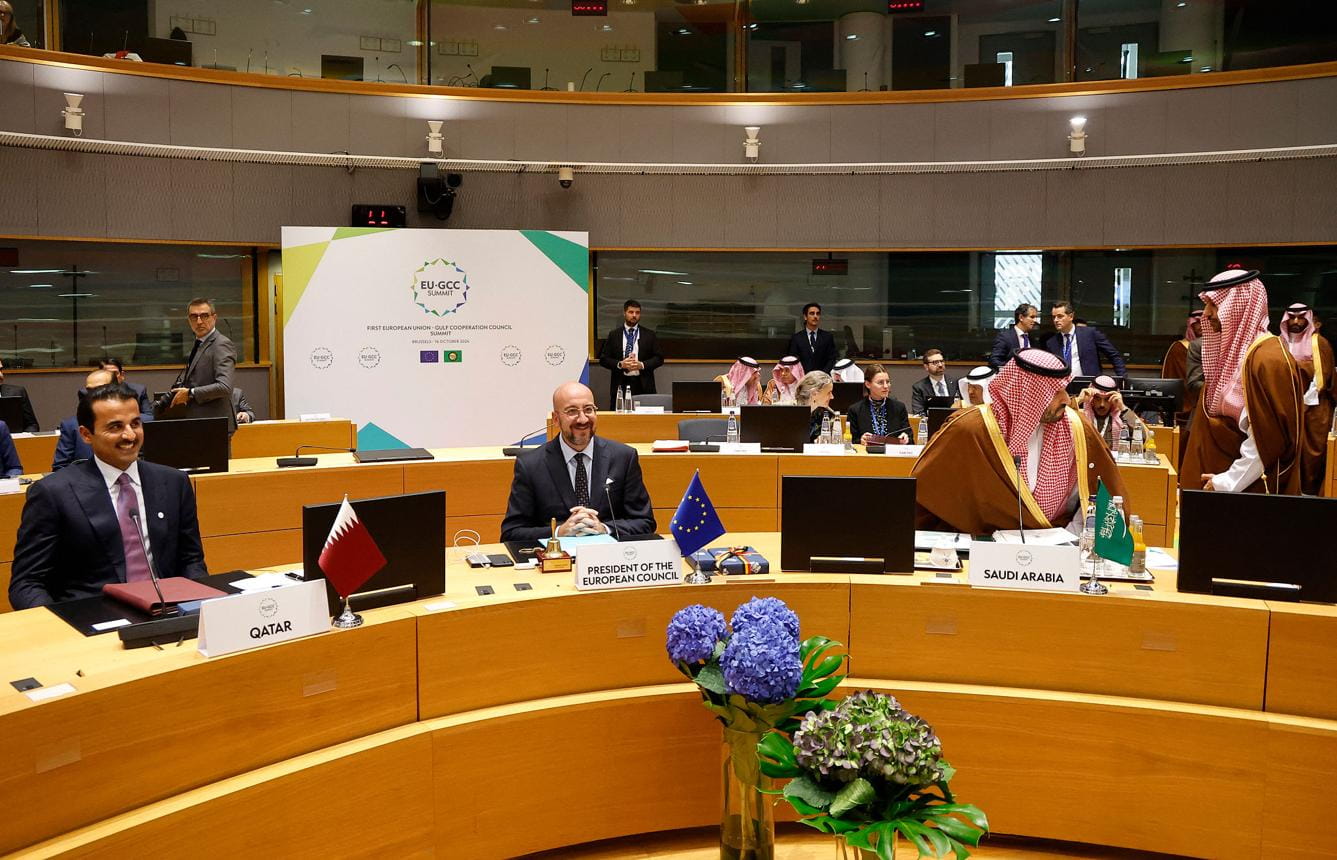
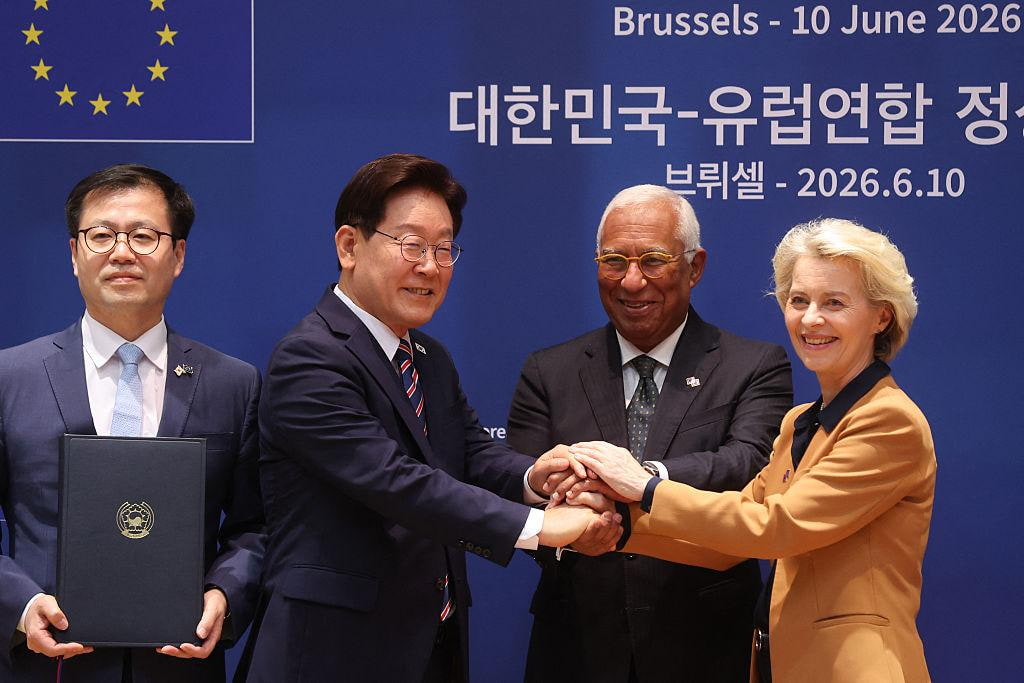
Chișinău: For two and a half years Moldova’s bid to join the European Union travelled in Ukraine’s slipstream, the two applications bundled together as a single act of wartime solidarity. That arrangement is now quietly coming apart, and for Chișinău the separation looks less like abandonment than liberation. On 15 June, in Luxembourg, all twenty-seven member states agreed to open the first cluster of accession negotiations with both candidates, the so-called fundamentals covering the rule of law, democratic institutions and public administration. A week later, at the 22 June summit in Brussels, President Maia Sandu told European Council President António Costa and Commission chief Ursula von der Leyen that Moldova was ready to open every remaining cluster at once.

The unlocking became possible only after Hungary’s new government, sworn in last month, abandoned the seventeen-month veto that Viktor Orbán had wielded against the enlargement file. With Budapest’s obstruction gone, the question shifted from whether the process could move to how fast each candidate should travel. EU officials now speak openly of the two bids proceeding at their own pace, and on the technical merits Moldova has the stronger hand. A country of 2.4 million people with no active war on its territory is simply easier to screen, reform and admit than a Ukraine still defending its eastern front.

There is a strategic logic to letting Moldova run ahead. A visible accession success on the Union’s eastern flank would prove that enlargement still delivers, rewarding a government that has staked its survival on the European choice and faced relentless Russian interference in return. It would also puncture the Kremlin narrative that Brussels offers candidates an endless waiting room. For Sandu, who won a bruising referendum on EU membership and a contested parliamentary cycle, a chapter-by-chapter march toward Brussels is the clearest dividend she can show voters.

The risks are equally real. Decoupling hands ammunition to those in Kyiv who fear that Ukraine, the larger and more consequential applicant, will be left to grind through chapters while a smaller neighbour collects the headlines. Moldova’s own vulnerabilities have not vanished either, from a breakaway Transnistria hosting Russian troops to an energy system only recently weaned off Gazprom. Opening clusters is the easy part; closing them demands judicial reforms and anti-corruption results that have humbled better-resourced candidates in the Western Balkans for two decades.

What happens next is procedural but revealing. Brussels must now set benchmarks for the fundamentals chapters, and Moldova must translate summit enthusiasm into legislation that survives contact with entrenched interests. The Commission’s autumn enlargement report will be the first honest scorecard. If Moldova can convert this momentum into closed chapters rather than opened ones, it may yet become the case study Brussels uses to argue that enlargement, so often a synonym for delay, can still move when the politics align.