September 24, 2026
LATEST
Rights Groups Test the EU Civil Society Strategy as Pressure MountsJudges Weigh EU Staff Nationality Quotas in Parliament Hiring CasePatents Could Unlock Startup Loans Under the European Innovation ActHungary EU Funds Move Closer as Commission Lifts Rule of Law FreezeMinisters Debate Chips Act 2.0 as Europe Pushes for More Chip OutputMontenegro Waits on a Dutch Vote as the EU Enlargement Sprint StallsGlobal Green Bond Initiative Bets on Private Money for PartnersEurope Draws a Line on Strait of Hormuz Tolls as Iran Talks ResumeStrasbourg Lets the European Defence Fund Pay for Tests in UkraineCSAM Regulation Talks Hinge on Scanning Private MessagesGoogle GDPR Fine of €403 Million Puts Location Data on TrialMFF 2028-2034 Talks Stall as Ministers Hold Their Red LinesBanks Contest Key Parts of the EU Banking Competitiveness PlanEMFAF Amendment Offers Fishers Simpler Rules and a Quota Cut CushionTeachers Trail Pupils as AI in Education Reports Expose a Training GapMacron Presses Brussels to Relax EU Fuel Quality Rules Before WinterEurostat Fuel Prices Jump 23.8 Per Cent as Diesel Leads August RiseData Centre Rating Scheme Puts Energy and Water Use on the EU RecordEU Indo-Pacific Security Partnerships Move From Paper to the SeaEU Thailand Free Trade Agreement Heads to Phuket for Its Final ThirdRights Groups Test the EU Civil Society Strategy as Pressure MountsJudges Weigh EU Staff Nationality Quotas in Parliament Hiring CasePatents Could Unlock Startup Loans Under the European Innovation ActHungary EU Funds Move Closer as Commission Lifts Rule of Law FreezeMinisters Debate Chips Act 2.0 as Europe Pushes for More Chip OutputMontenegro Waits on a Dutch Vote as the EU Enlargement Sprint StallsGlobal Green Bond Initiative Bets on Private Money for PartnersEurope Draws a Line on Strait of Hormuz Tolls as Iran Talks ResumeStrasbourg Lets the European Defence Fund Pay for Tests in UkraineCSAM Regulation Talks Hinge on Scanning Private MessagesGoogle GDPR Fine of €403 Million Puts Location Data on TrialMFF 2028-2034 Talks Stall as Ministers Hold Their Red LinesBanks Contest Key Parts of the EU Banking Competitiveness PlanEMFAF Amendment Offers Fishers Simpler Rules and a Quota Cut CushionTeachers Trail Pupils as AI in Education Reports Expose a Training GapMacron Presses Brussels to Relax EU Fuel Quality Rules Before WinterEurostat Fuel Prices Jump 23.8 Per Cent as Diesel Leads August RiseData Centre Rating Scheme Puts Energy and Water Use on the EU RecordEU Indo-Pacific Security Partnerships Move From Paper to the SeaEU Thailand Free Trade Agreement Heads to Phuket for Its Final Third
September 24, 2026
LATEST
Rights Groups Test the EU Civil Society Strategy as Pressure MountsJudges Weigh EU Staff Nationality Quotas in Parliament Hiring CasePatents Could Unlock Startup Loans Under the European Innovation ActHungary EU Funds Move Closer as Commission Lifts Rule of Law FreezeMinisters Debate Chips Act 2.0 as Europe Pushes for More Chip OutputMontenegro Waits on a Dutch Vote as the EU Enlargement Sprint StallsGlobal Green Bond Initiative Bets on Private Money for PartnersEurope Draws a Line on Strait of Hormuz Tolls as Iran Talks ResumeStrasbourg Lets the European Defence Fund Pay for Tests in UkraineCSAM Regulation Talks Hinge on Scanning Private MessagesGoogle GDPR Fine of €403 Million Puts Location Data on TrialMFF 2028-2034 Talks Stall as Ministers Hold Their Red LinesBanks Contest Key Parts of the EU Banking Competitiveness PlanEMFAF Amendment Offers Fishers Simpler Rules and a Quota Cut CushionTeachers Trail Pupils as AI in Education Reports Expose a Training GapMacron Presses Brussels to Relax EU Fuel Quality Rules Before WinterEurostat Fuel Prices Jump 23.8 Per Cent as Diesel Leads August RiseData Centre Rating Scheme Puts Energy and Water Use on the EU RecordEU Indo-Pacific Security Partnerships Move From Paper to the SeaEU Thailand Free Trade Agreement Heads to Phuket for Its Final ThirdRights Groups Test the EU Civil Society Strategy as Pressure MountsJudges Weigh EU Staff Nationality Quotas in Parliament Hiring CasePatents Could Unlock Startup Loans Under the European Innovation ActHungary EU Funds Move Closer as Commission Lifts Rule of Law FreezeMinisters Debate Chips Act 2.0 as Europe Pushes for More Chip OutputMontenegro Waits on a Dutch Vote as the EU Enlargement Sprint StallsGlobal Green Bond Initiative Bets on Private Money for PartnersEurope Draws a Line on Strait of Hormuz Tolls as Iran Talks ResumeStrasbourg Lets the European Defence Fund Pay for Tests in UkraineCSAM Regulation Talks Hinge on Scanning Private MessagesGoogle GDPR Fine of €403 Million Puts Location Data on TrialMFF 2028-2034 Talks Stall as Ministers Hold Their Red LinesBanks Contest Key Parts of the EU Banking Competitiveness PlanEMFAF Amendment Offers Fishers Simpler Rules and a Quota Cut CushionTeachers Trail Pupils as AI in Education Reports Expose a Training GapMacron Presses Brussels to Relax EU Fuel Quality Rules Before WinterEurostat Fuel Prices Jump 23.8 Per Cent as Diesel Leads August RiseData Centre Rating Scheme Puts Energy and Water Use on the EU RecordEU Indo-Pacific Security Partnerships Move From Paper to the SeaEU Thailand Free Trade Agreement Heads to Phuket for Its Final Third

Seoul Buys Into Europe’s Secure Satellites Before First Launch

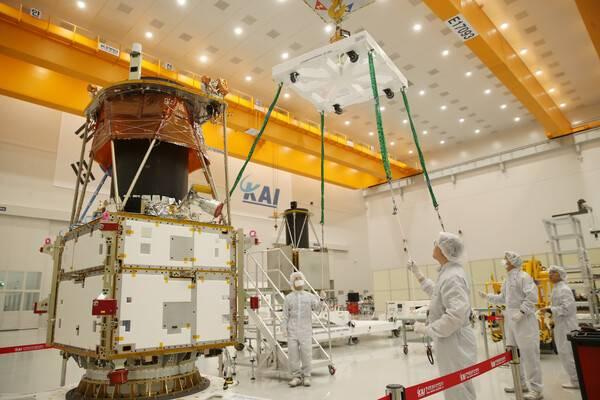
Sacheon: The aerospace works clustered on South Korea’s southern coast have spent two decades learning to build things that fly on schedule, which is a rarer industrial skill than it sounds and one Europe has recently discovered it needs. On 17 September the European Commission and the Republic of Korea signed an administrative arrangement on secure satellite connectivity, and the modesty of that phrase conceals a question about who gets to own Europe’s most expensive space programme.

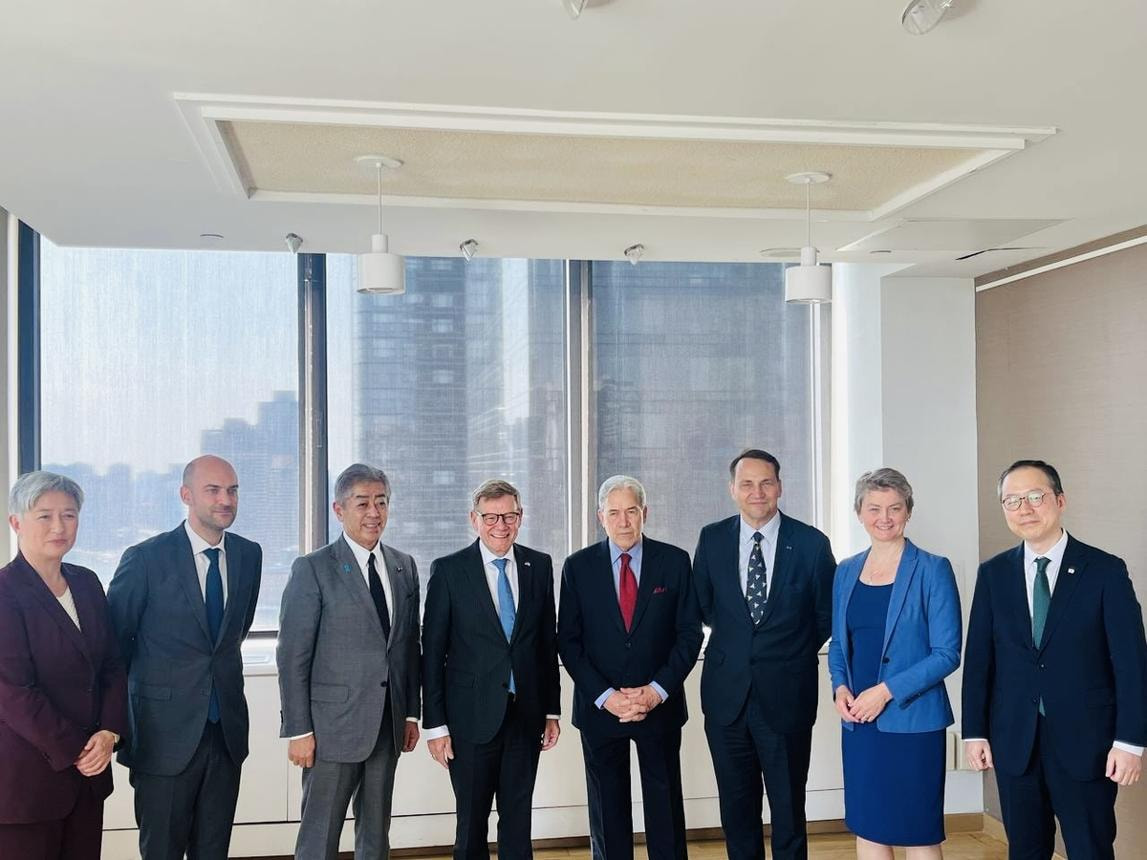
The signatories were Andrius Kubilius, the Commissioner responsible for defence and space, and Giyoung Jeoung, Deputy Minister for the Advanced Capabilities Program. The arrangement establishes a working group drawing in the Commission, the European Space Agency, Korea’s Defense Acquisition Program Administration and its Agency for Defense Development. Its remit is to exchange information on existing and planned secure connectivity programmes, identify joint applications, and assess technical solutions for cooperation at system level with IRIS2.

An administrative arrangement is the lightest instrument in this field. It binds nobody to buy anything, fund anything or launch anything. What it does is create a channel through which two space bureaucracies can compare architectures without either side committing to a treaty. That is not nothing. Until now, third-country cooperation on IRIS2 has run through international treaties, and only Norway and Iceland have signed them. Korea has been offered the corridor without the door.

The timing is what makes this interesting. In August the Commission concluded negotiations on the programme’s governance, technical configuration and financing, confirming the system architecture and shortlisting the main suppliers. The first phase is due to launch by the end of 2029. Korea is therefore arriving after the design is frozen but before the hardware is built, which is precisely the window in which an industrial partner can still be useful and a political partner can still be awkward.

Both possibilities are live. Korean firms have demonstrated an ability to deliver complex systems at cost and on time, a reputation European defence procurement has struggled to claim for most of this decade. European manufacturers already compete with Korean yards and plants in third markets. Inviting Korean industrial expertise into a flagship European constellation means inviting a competitor into the supply chain of a system designed to guarantee independence from foreign providers.

The sovereignty logic cuts the other way too. IRIS2 exists because European governments concluded that depending on commercially owned constellations under foreign jurisdiction was a strategic liability. A programme built on that reasoning cannot casually extend architectural access to any partner that asks, however friendly. The governance rules settled in August will determine how much of the system a non-member state can ever touch, and those rules were not drafted with Seoul in mind.

Korea’s interest is easier to read. It has been building its own military satellite capability and has held a security and defence partnership with the European Union since 2024. It faces a neighbour whose missile programme makes persistent, resilient communications a survival requirement rather than a procurement preference. Access to a European constellation offers redundancy that does not run through Washington, at a moment when several American allies are quietly pricing that risk.

What was signed last week settles none of this. It creates a working group, and working groups are where difficult questions get asked properly for the first time. The answer that eventually emerges will tell Europe something it has so far avoided deciding, which is whether strategic autonomy means building alone or building with whoever builds well.