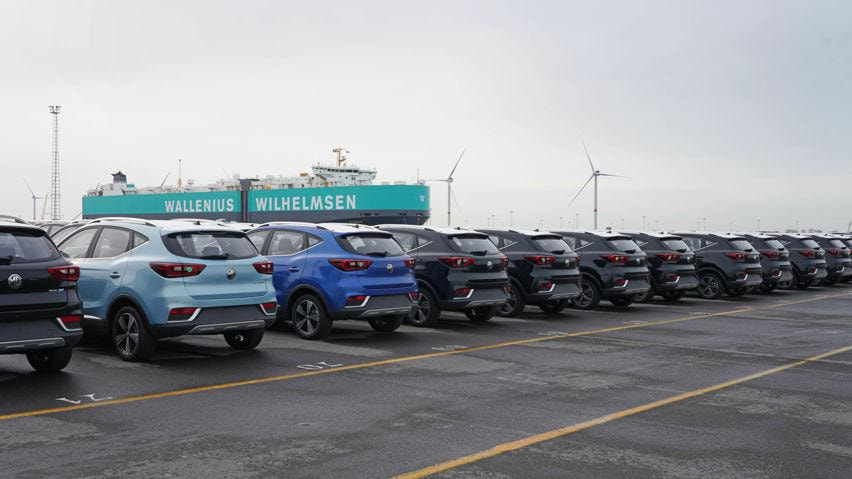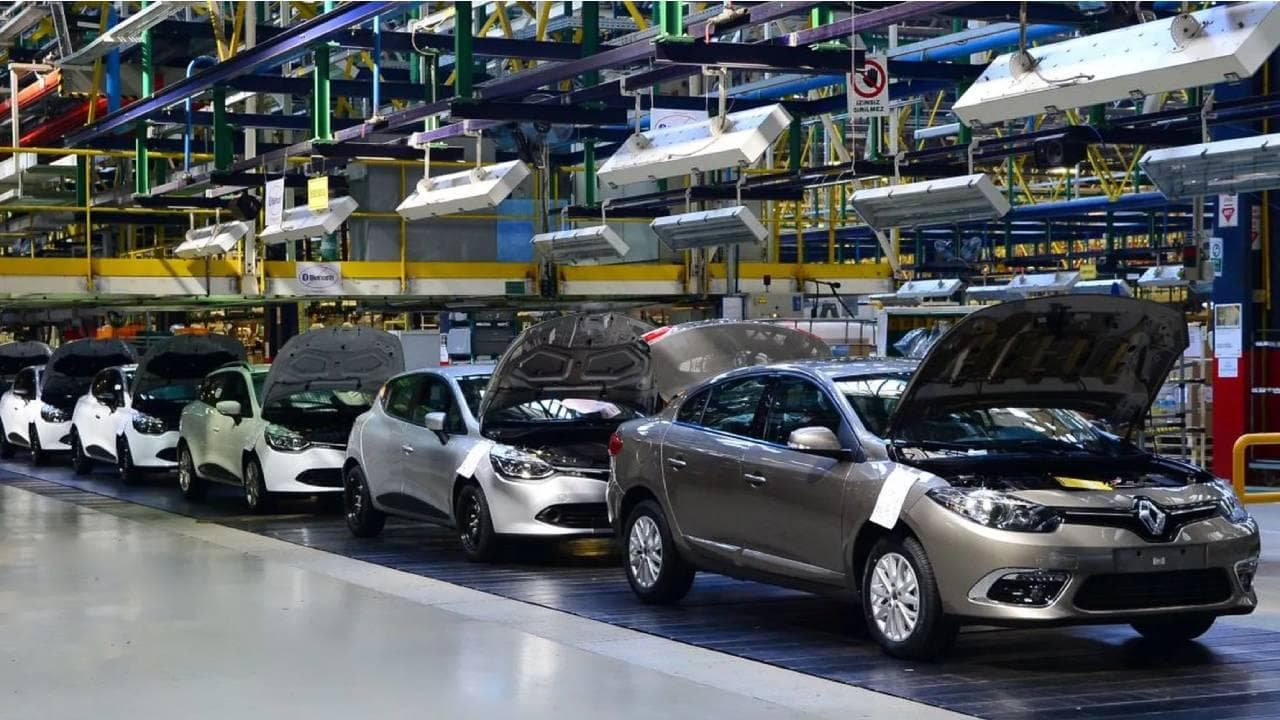
Bursa: The car plants ringing this Anatolian industrial city send hundreds of thousands of vehicles into the single market each year without paying a cent of tariff, under an arrangement that entered force in 1996 and has barely changed since. Turkish industry wants it rewritten. The Council has not yet allowed the Commission to start.
The customs union covers industrial goods and processed agricultural products, and nothing else. Services stay outside it. So do agriculture, public procurement and every form of digital commerce that did not exist when the text was signed. Turkish exporters ship machine parts freely and then meet national licensing rules the moment they try to sell a service alongside them. Ankara has asked for an update for a decade, and the Commission formally proposed one in 2016. That proposal has never received negotiating directives.
Movement resumed this year. Enlargement Commissioner Marta Kos met Foreign Minister Hakan Fidan in Ankara in February, and the two sides issued a statement about paving the way toward modernisation. Technical work on a mandate has started inside the Commission. Political sign-off has not, because the Council decides mandates unanimously and both Cyprus and Greece hold a veto they have used before. Euronews reported in July that Brussels wants closer economic ties with Ankara for strategic reasons. Strategic reasons do not override a single capital’s objection.
The asymmetry inside the present arrangement explains Turkish frustration better than any lobbying document. Turkey applies the EU common external tariff without sitting in the room where that tariff gets set. When the EU signs a trade agreement with Japan, Vietnam or Canada, those partners gain duty-free access to the Turkish market through the customs union, while Turkish exporters gain nothing reciprocal until Ankara negotiates its own deal. Turkey has spent years chasing parallel agreements to close a gap that Brussels reopens every time it concludes a new one.
Carbon pricing now widens the same gap. Turkey exports steel, cement, aluminium and fertiliser into the EU in volume, and the carbon border adjustment mechanism charges for the emissions embedded in those goods. A customs union partner cannot shelter behind a tariff wall it does not control, so Turkish producers either build a domestic carbon price the EU recognises or pay at the border. Ankara legislated an emissions trading scheme partly for that reason, which makes the absence of any institutional channel for coordinating the two systems look increasingly odd.
Road transport quotas supply the everyday irritant. Turkish hauliers meet national permit ceilings crossing member states, so goods that travel tariff-free still queue for paperwork. Business federations in Istanbul and Ankara have pressed for services, agriculture, procurement and e-commerce to enter the scope, arguing that a text drafted in the early 1990s cannot carry a trading relationship worth well over 200 billion euros a year.
The counterargument is not merely obstruction. Several member states read the customs union as the main economic leverage the EU retains over Turkey on rule of law, Cyprus and the eastern Mediterranean, and they see little sense in spending it for commercial gain. Others note that a modernised agreement covering services and procurement would demand Turkish regulatory alignment far deeper than the current text requires, and they doubt Ankara would deliver it. Both objections are serious, and neither gets tested while the mandate stays unopened.
What follows is procedural and slow. The Commission can finish technical preparation, publish an impact assessment and lobby capitals, but it cannot negotiate. Unless Nicosia and Athens shift position, or the Council finds a formula that separates commercial scope from political conditions, Bursa will keep exporting cars under rules written before the euro existed.