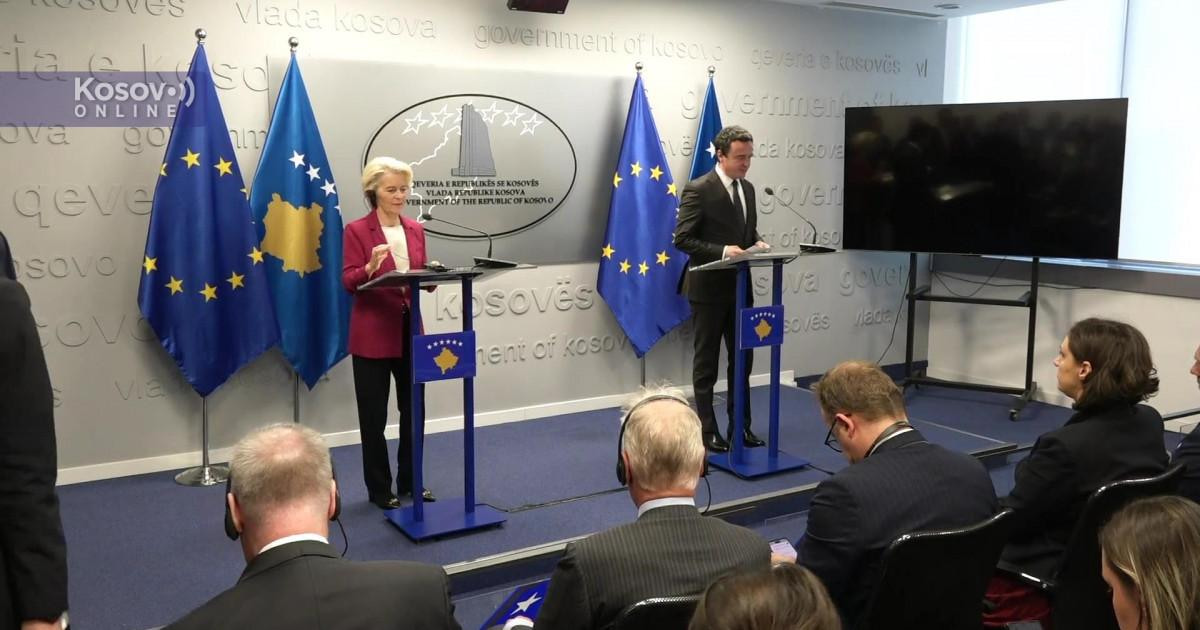
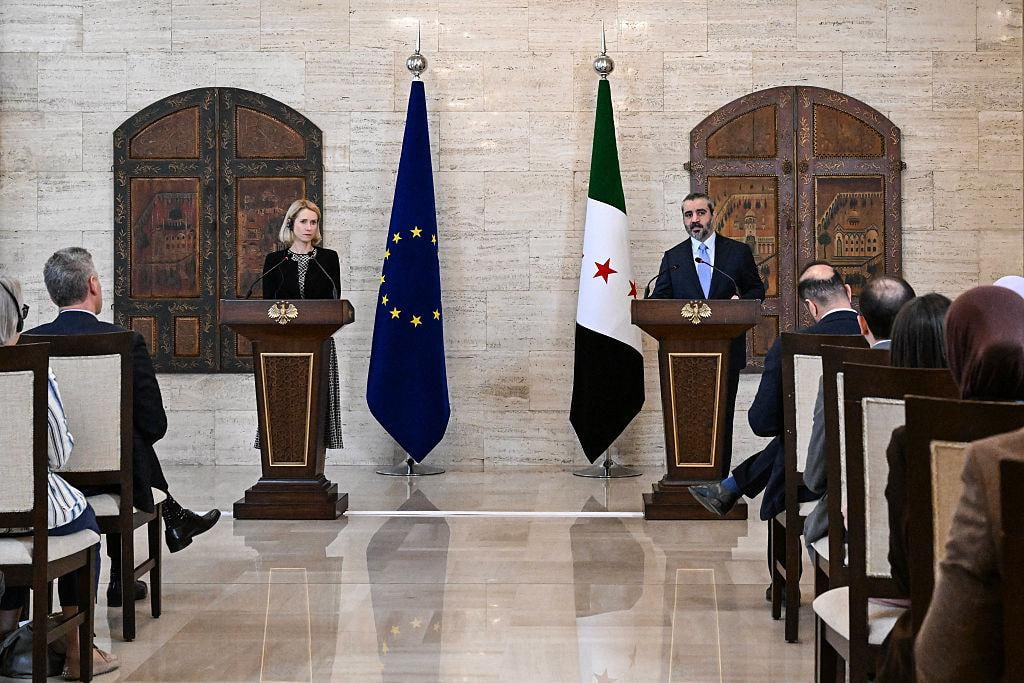
Tunis: The Tunisia migration deal is back on the diplomatic table because President Kais Saïed asked in March 2026 for the partnership to be revisited so that cooperation becomes, in his words, more balanced, fair and equitable. The request tests a model that Ursula von der Leyen once called a blueprint for arrangements with other regional partners. It also arrives as the EU Pact on Migration and Asylum becomes fully applicable.
The memorandum of understanding signed in July 2023 rests on five pillars: macroeconomic stability, trade, green energy, people-to-people contacts and migration. Brussels sold it as a comprehensive partnership, yet public attention has concentrated almost entirely on the migration pillar. Tunis now argues that the economic promises of the Tunisia migration deal deserve equal weight, which turns a border-control arrangement into a wider bargaining question.
The Tunisia migration deal also sits inside a larger Mediterranean architecture. Tunisia is one of seven transit states, alongside Libya, Morocco, Egypt, Jordan, Lebanon and Syria, that Brussels treats as key partners on irregular crossings. The multi-annual measure for migration in the Southern Neighbourhood carries a budget of €675 million for 2025 to 2027, and the Pact for the Mediterranean extends the logic of the new asylum rules to ten southern partners.
Recent diplomacy shows how crowded the field has become. Commissioner Magnus Brunner travelled to Libya in July 2025 with officials from Greece, Italy and Malta, and the 15th EU-Morocco Association Council met in January 2026. Kaja Kallas visited Rabat in April 2026, and leaders hosted counterparts from Egypt, Jordan, Lebanon and Syria at a working lunch in Cyprus on 24 April. Tunisia can see that rival partners receive attention, so the Tunisia migration deal looks less unique, which strengthens its hand when it asks for new terms.
The Pact on Migration and Asylum took full effect on 12 June 2026, and its promise of faster border procedures depends on cooperation from countries of departure and transit. That dependence is the quiet leverage behind the Tunisia migration deal and behind Saïed’s request. A partner that controls departures can bargain over money, trade access and mobility, while the Union needs predictable results rather than headline pledges.
For Brussels the choice is not simple. Reopening the text risks inviting copycat demands from other southern partners, but refusing to talk risks a slow loss of cooperation that no funding line can replace. A realistic path would keep the migration pillar while adding measurable trade and investment commitments, and the Tunisia migration deal would then become a working example of balanced partnership rather than a template that critics reject.