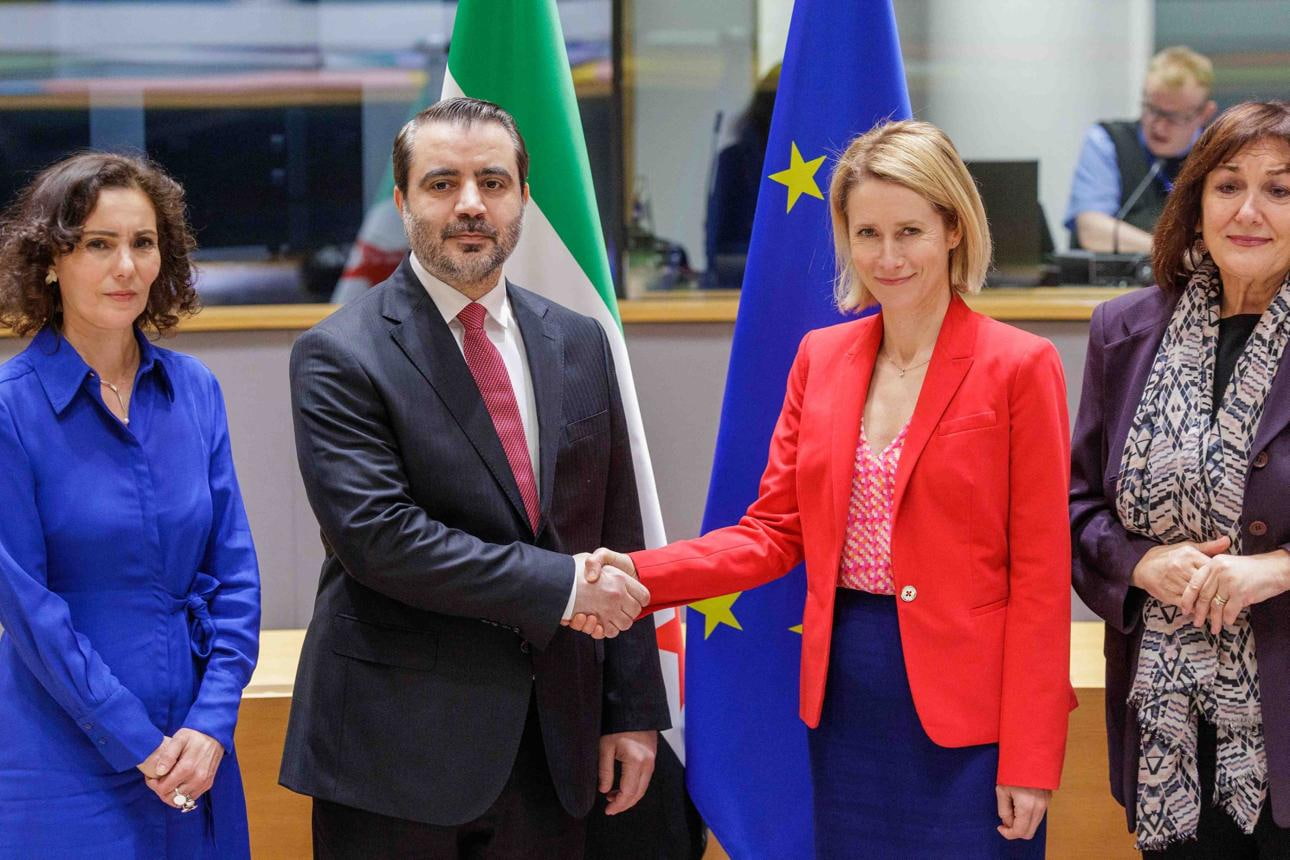
Brussels: The Western Balkans Growth Plan is entering a harder phase, because the Commission intends to move unallocated money away from governments that have not met their reform conditions. The signal arrives alongside the announcement that the second EU-Western Balkans summit of 2026 will take place in Brussels on 25 November, on the eve of a special European Council.
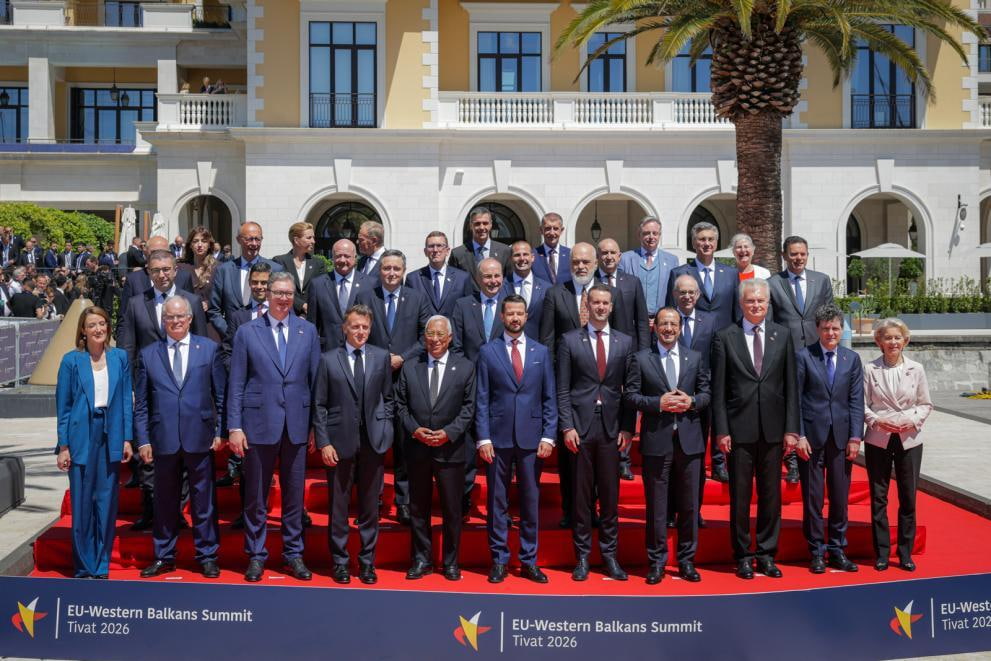
European Council President António Costa announced the date and said the future of the region lies in the Union. The meeting follows the June summit in Tivat, Montenegro, and brings together the EU with Albania, Bosnia and Herzegovina, Kosovo, Montenegro, North Macedonia and Serbia. Leaders are expected to discuss enhanced gradual integration of candidate countries, accession roadmaps for the four most advanced negotiators and the Western Balkans Growth Plan itself.
The Growth Plan ties financial support to reforms, so a missed deadline costs real money. Serbia and Kosovo have already forfeited funds, and Bosnia and Herzegovina faces a December deadline. The Commission plans to redistribute the unallocated amounts to Albania, North Macedonia and Montenegro, a shift reported at around €330 million, but only after those three update their reform agendas.
This conditionality changes the logic of enlargement diplomacy. For years, candidates could treat reform programmes as paperwork with distant consequences. Under the Western Balkans Growth Plan, a delay in the rule of law, the single market or fundamental rights now shows up as a lost payment, and a rival capital collects it. The approach rewards steady administrations and exposes those that struggle with domestic politics.
Politics complicates the picture. Serbia held elections on 25 October and a presidential vote is due by 25 December, so it remains uncertain whether Belgrade will send a delegation to the November summit. Brussels cannot easily pause its calendar, yet an absence would say a great deal about how the region views the offer on the table.
The Commission is also expected to present its 2026 Enlargement Package before the summit. Accession conferences with Montenegro and Albania may take place on the margins of the General Affairs Council on 19 November, with the aim of provisionally closing more negotiating chapters. Montenegro has said it wants to finish negotiations by the end of the year, an ambitious target that depends on the timing of the reports.
The risk for Brussels is credibility. If the Western Balkans Growth Plan shifts money without producing visible results, critics will say that conditionality punishes the poorest candidates. If it works, it gives the Union a credible tool to reward progress in advance of full membership.
The next weeks will show which reading prevails. Candidates that update their reform agendas quickly stand to gain, and those that do not will watch the Western Balkans Growth Plan pass them by.