Accra: Europe has redrawn its security map of West Africa, and the Ghana partnership sits at the centre of the new design. In March the European Union signed its first Security and Defence Partnership with an African state, choosing Ghana as the anchor of a coastal strategy meant to hold back the violence spilling south from the Sahel.
The timing tells the story. European missions collapsed across the interior over the past three years, as juntas in Mali, Burkina Faso and Niger expelled Western forces and turned toward Russian mercenaries. Brussels lost its footholds and its intelligence, and it needed a partner it could trust on the Gulf of Guinea coast.
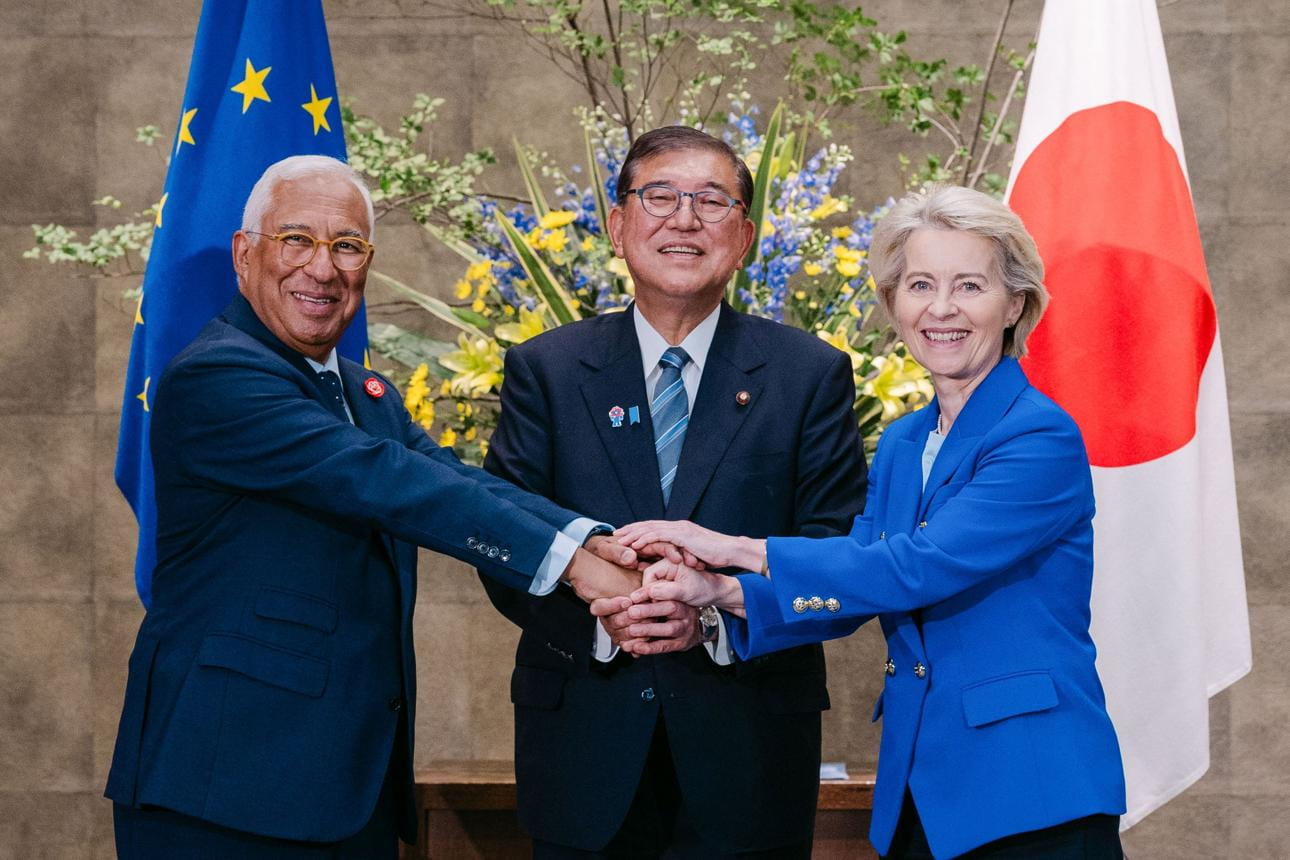
Ghana fit the role. The country holds regular elections, keeps its army out of politics and shares a long northern frontier with the troubled Sahel. When European and Ghanaian officials signed the partnership in Accra, they framed it as a shield for the whole coastal belt.
The deal carries hardware, not just words. The European Union handed Ghana a 50 million euro package through its European Peace Facility, including electronic-warfare systems and equipment to dispose of explosive devices. The transfer signalled that Brussels intends to fund the partnership rather than merely announce it.
The cooperation reaches wide. It covers maritime security in the Gulf of Guinea, counterterrorism, cyber defence, border management and the fight against the organised crime that moves drugs and weapons along the coast. Each strand addresses a threat that Ghanaian commanders already track and that European planners fear will worsen.
The broader initiative gives the partnership its logic. The Council launched a Security and Defence Initiative for the Gulf of Guinea that pools military and civilian experts to help Cote d’Ivoire, Ghana, Togo and Benin harden their defences. The Ghana pact turns that framework into a formal, country-level commitment.
Critics question whether Europe has learned from its Sahel defeats. The interior missions trained soldiers who later staged coups, and they leaned on governments that lost their people’s trust. Brussels insists the coastal approach differs, that it works with stable democracies and ties equipment to civilian oversight, but the record invites scepticism.
Ghana carries its own burdens. The economy has strained under debt, the north faces recruitment by armed groups, and any government must weigh European help against its ties to Russia and China. Accra has kept its options open, and it will not let a single partnership define its foreign policy.
For Brussels the calculation is strategic. A stable Gulf of Guinea protects shipping lanes, curbs migration pressure and denies extremist networks a coastal foothold. The Ghana partnership offers a template that European officials hope to extend along the coast, one signature and one equipment handover at a time.