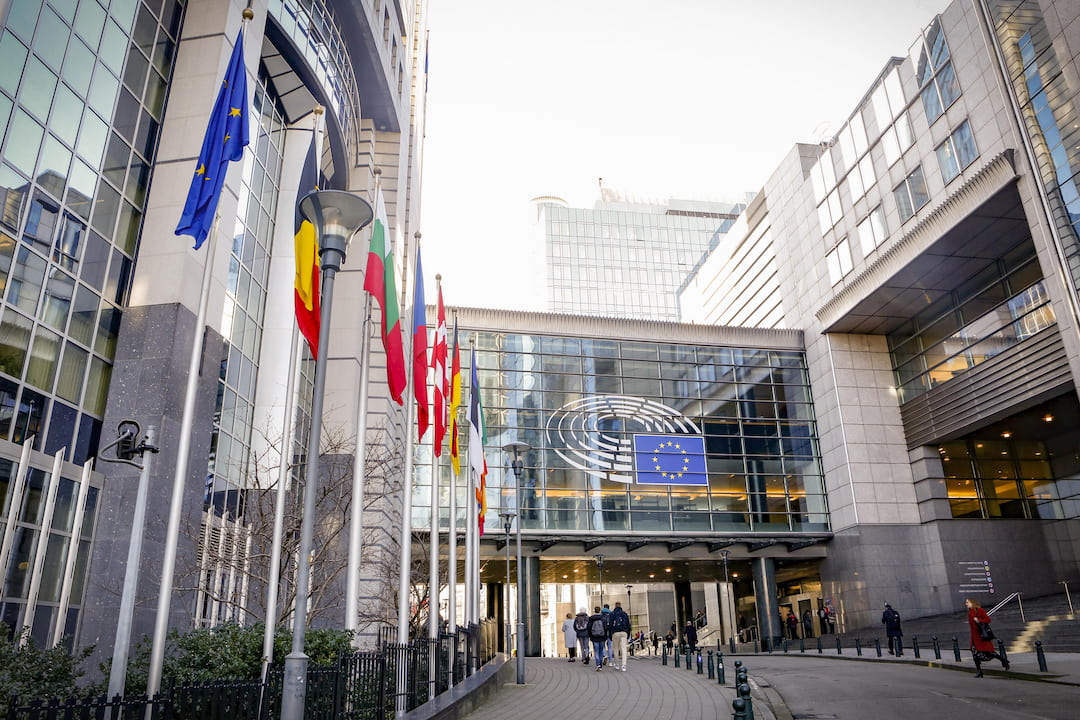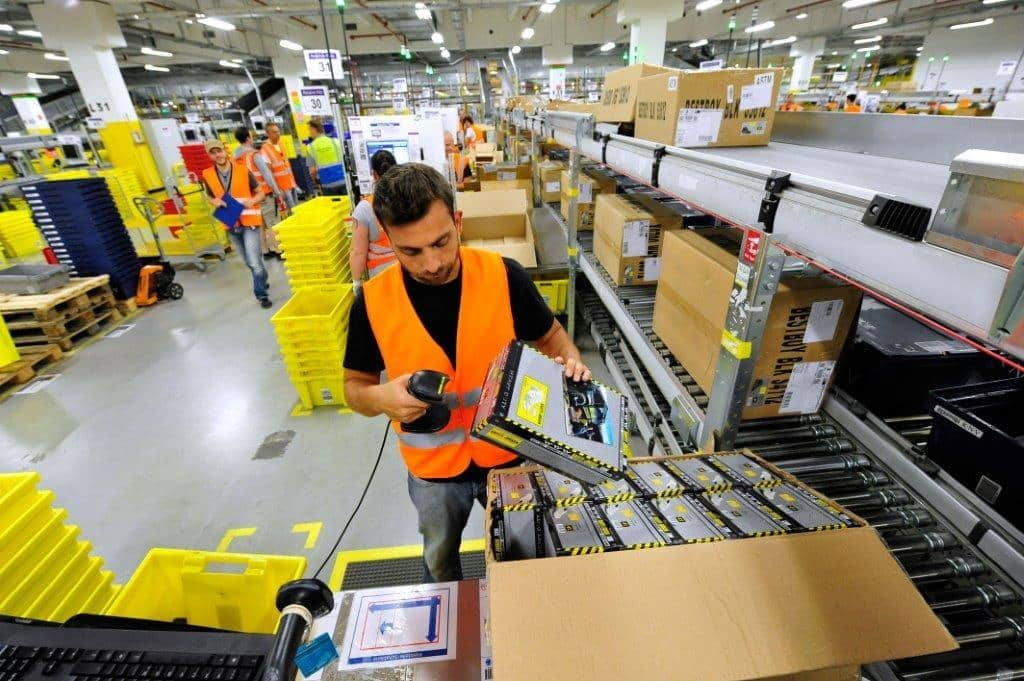
Sosnowiec: Algorithmic management at Amazon warehouses came under direct scrutiny when a seven-member delegation of the European Parliament’s Employment and Social Affairs Committee visited sites in Germany and Poland on 26 and 27 October. Li Andersson led the group, and Parliament published its conclusions on 28 October.
The visited warehouses employ some 5,000 workers, according to EUobserver. Andersson said AI-driven processes become almost invisible to workers, and she called the system a digital panopticon in which the faster you work the faster you must work. She added that workers often do not know what data are collected on them or how that data sets productivity targets. Algorithmic management, in her account, turns performance rules into a black box.
Agata Wypiór, vice secretary of Amazon’s European Works Council and a Solidarność union leader, described the constant pressure of being judged as very hard to cope with mentally. A 2023 survey by the union federation UNI Europa, cited in the coverage, found that about half of Amazon employees said their work harmed their mental and physical health. That survey has not been checked against the original here.
The visit matters because the Commission is expected to present a Quality Jobs Act proposal in December. Employment ministers discussed the plan on 19 October, and members of the committee have raised concerns about efficiency targets, safety and AI surveillance, all topics the act may touch. Parliament’s delegation gives lawmakers first-hand evidence before the proposal arrives.
Parliament’s own framing sets the context. The committee said the delegation set out to examine working conditions and algorithmic management, meaning AI-based surveillance of workers, and the EUobserver report on the visit appeared on 28 October. Algorithmic management is likely to feature in the Quality Jobs Act debate that follows.
Several questions remain open. Parliament’s summary does not list the six other delegation members or the full list of warehouses, and no Amazon response has been published in the material reviewed. The company has not been quoted on the delegation’s remarks, so its position on algorithmic management is not yet on the record.
Even so, the visit shows how the debate has moved from platform couriers to warehouse floors. Unions want transparency on data and a say in how targets are set, and MEPs now have a concrete picture of how algorithmic management works inside a large employer. The next step is the Commission’s text, which will show whether the lessons reach legislation.