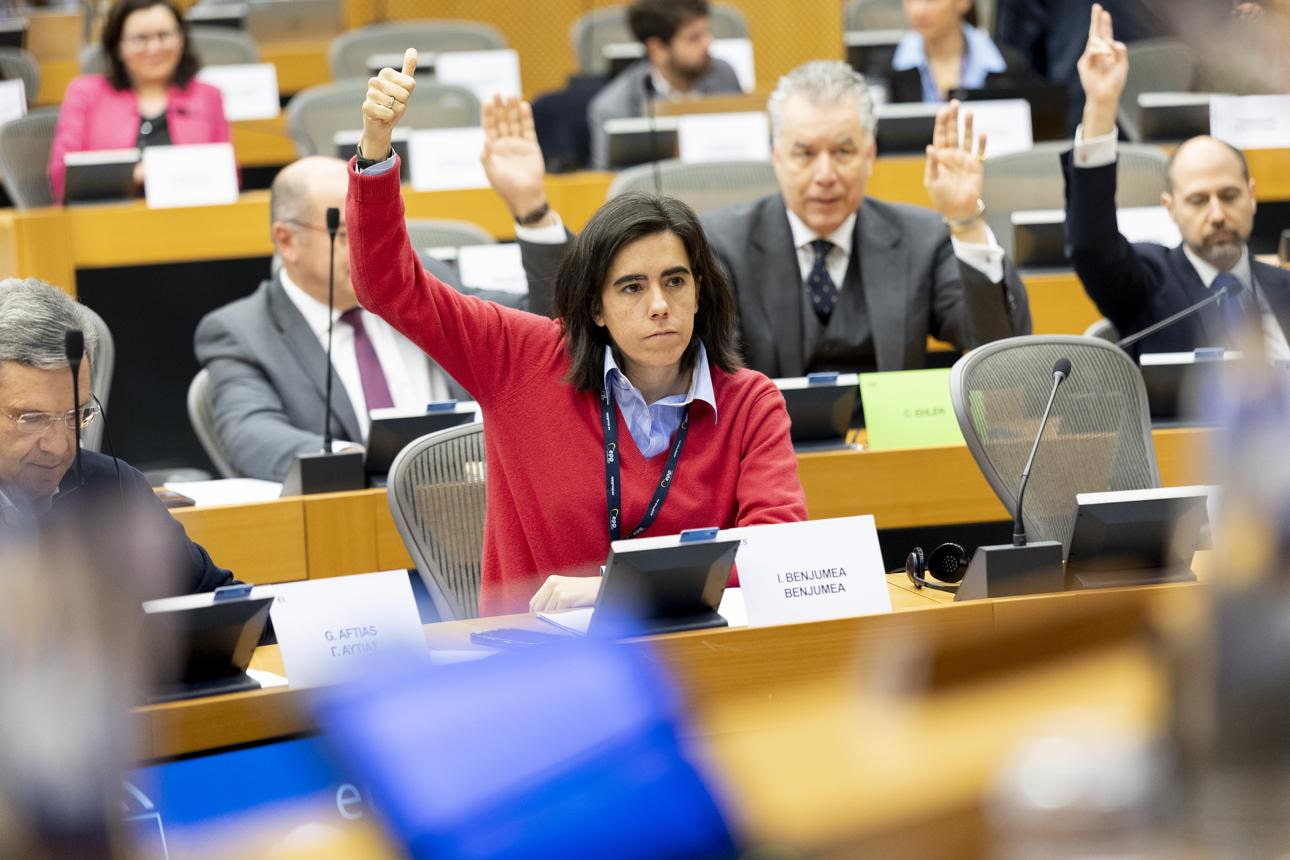
Helsinki: The Democracy Shield committee of the European Parliament has recommended a new EU centre to defend elections and public debate from foreign interference, and its report is the main parliamentary blueprint for that fight. The committee adopted its findings on 23 June 2026 by 20 votes to nine, with two abstentions, according to the Brussels Times.
Rapporteur Tomas Tobé said that foreign information manipulation, disinformation and hybrid interference have become increasingly sophisticated and coordinated. The report names Russia as the main external threat to the integrity of Europe’s democracies and lists Belarus, China, Iran and North Korea as active as well. It cites cyberattacks, physical sabotage, arson, espionage and signal jamming among the hybrid methods.
The centrepiece is a European Centre for Democratic Resilience. Members of the Democracy Shield committee want it created by a binding legal act with defined operations, a dedicated budget and governance that involves all member states. The report does not give a budget figure or a legal basis, so those questions remain open for the Commission and the Council.
The other proposals of the Democracy Shield committee reach into daily politics. MEPs call for faster responses from online platforms to electoral interference, especially bot-driven campaigns, and for a clearer line between synthetic and authentic content. They want action against malicious deepfakes and fraudulent adverts, and they would classify electoral infrastructure as critical. The report also asks for long-term funding for media freedom and for effective enforcement of the ban on illegal spyware.
Sanctions feature in the Democracy Shield committee report as well. The committee wants stronger capacity at the relevant EU agencies and wider sanctions on those who enable Russian disinformation, including non-EU entities, particularly Chinese ones, accused of helping to circumvent sanctions. Such measures would need agreement among governments.
The committee itself has a short history. Parliament created it in February 2025 with a 12-month mandate and later extended it, most recently by six months on 28 April 2026. It has 33 members and French liberal Nathalie Loiseau chairs it, according to Agence Europe. I could not confirm the date on which the extended mandate ends.
The full chamber was due to vote on the report at its September plenary session, and I found no confirmation of the result. Until Parliament endorses the text and the Commission responds, the Democracy Shield committee remains a source of recommendations that governments are free to ignore, and the decisive test is whether any of them becomes law.