November 7, 2026
LATEST
Teacher Shortages Put The EU Teachers Agenda To The TestKingspan Fine And KKR Charge Put EU Merger Control To WorkMEPs Near First Vote On EU Space Act In Parliament Industry CommitteeMercosur Safeguard Rules Let EU Curb Surges In Car And Goods ImportsMontenegro And Albania Receive EU Accession Roadmaps From CommissionHelsinki Presses Washington Over Paid-For Patriot InterceptorsMeloni Letter Exposes The EU Single Voice Problem On UkraineEmissions Trading Link Defines The EU-UK Summit Agenda For 20 NovemberAddis Ababa Talks Test The EU-African Union Partnership PlanDark Patterns Face Reform As Digital Fairness Act NearsLong-Term EU Budget Talks Face A December DeadlineReturn Hubs Plan Reshapes EU Deportation Rules After DealFishing Sector Gets Vision 2040 Fisheries Strategy With €2bn FloorNominations Open For The Next European Research Council PresidentInvestFrontier Launch Pulls Private Capital Into Humanitarian AidYoung Farmers Targeted By 10 Share In Post-2027 CAP PlanCOP17 Biodiversity Deal Leaves Nature Finance Gap OpenParliament Backs High-Speed Rail Network Linking CapitalsEnergy And Tyre Labelling Gets Simpler Rules In Council MandateEU Defence Readiness Goal For 2030 Slips Despite €418 Billion OutlayTeacher Shortages Put The EU Teachers Agenda To The TestKingspan Fine And KKR Charge Put EU Merger Control To WorkMEPs Near First Vote On EU Space Act In Parliament Industry CommitteeMercosur Safeguard Rules Let EU Curb Surges In Car And Goods ImportsMontenegro And Albania Receive EU Accession Roadmaps From CommissionHelsinki Presses Washington Over Paid-For Patriot InterceptorsMeloni Letter Exposes The EU Single Voice Problem On UkraineEmissions Trading Link Defines The EU-UK Summit Agenda For 20 NovemberAddis Ababa Talks Test The EU-African Union Partnership PlanDark Patterns Face Reform As Digital Fairness Act NearsLong-Term EU Budget Talks Face A December DeadlineReturn Hubs Plan Reshapes EU Deportation Rules After DealFishing Sector Gets Vision 2040 Fisheries Strategy With €2bn FloorNominations Open For The Next European Research Council PresidentInvestFrontier Launch Pulls Private Capital Into Humanitarian AidYoung Farmers Targeted By 10 Share In Post-2027 CAP PlanCOP17 Biodiversity Deal Leaves Nature Finance Gap OpenParliament Backs High-Speed Rail Network Linking CapitalsEnergy And Tyre Labelling Gets Simpler Rules In Council MandateEU Defence Readiness Goal For 2030 Slips Despite €418 Billion Outlay

Circular Economy Act Slips To 18 November As Textile Sector Waits

Prato: The Circular Economy Act has slipped by a week, and Europe’s textile recyclers now wait for the Commission to present it on 18 November 2026. FashionUnited reported on 29 October that the presentation, first planned for 11 November, had been postponed, and I could not confirm whether the new date still holds.

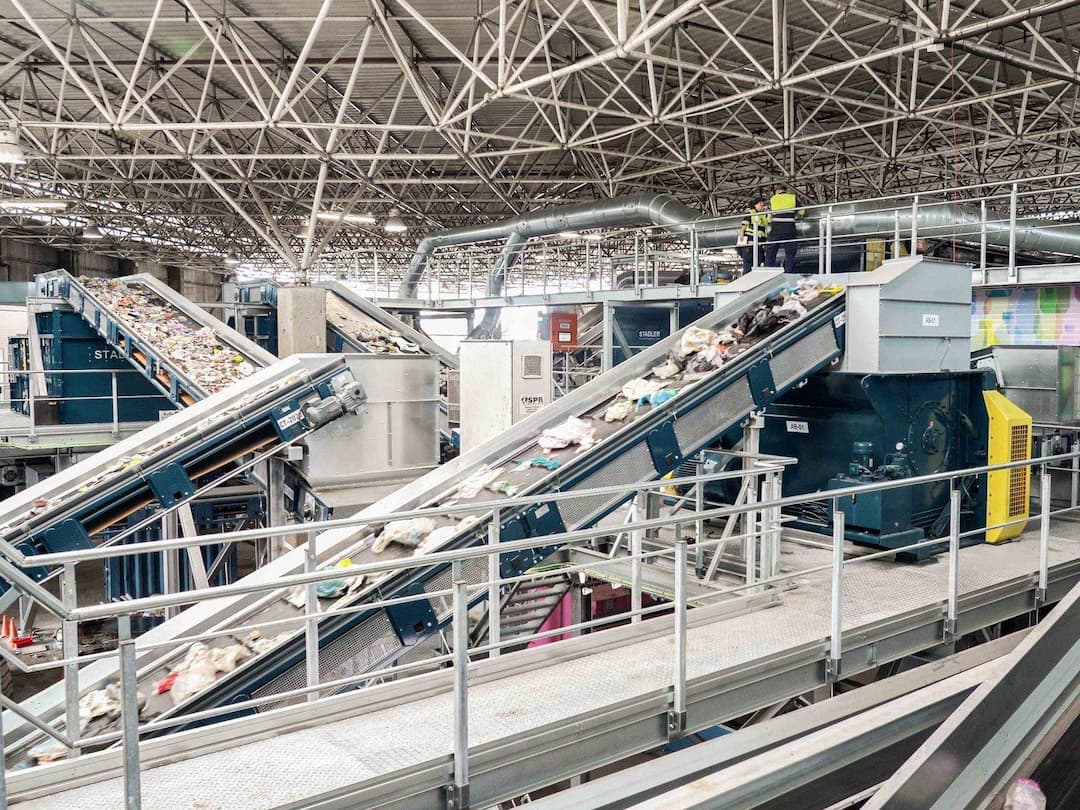
The Circular Economy Act aims to speed the Union’s shift away from a take-make-waste model. According to the report, it would promote recycling, reuse and waste recovery, and it would create a European market for secondary raw materials that can replace virgin inputs. It would also ease the movement of recoverable waste between member states, so that material can reach recyclers faster, and it would reduce reliance on imported raw materials.

Demand is the second pillar. The Circular Economy Act is meant to stimulate demand for recycled materials in industrial processes, because recyclers cannot grow if manufacturers keep buying virgin material. It would also remove regulatory barriers to circular business models, such as repair and resale services. The report describes these aims in general terms and uses the word could throughout, so the real content will become clear only when the Commission publishes its text.

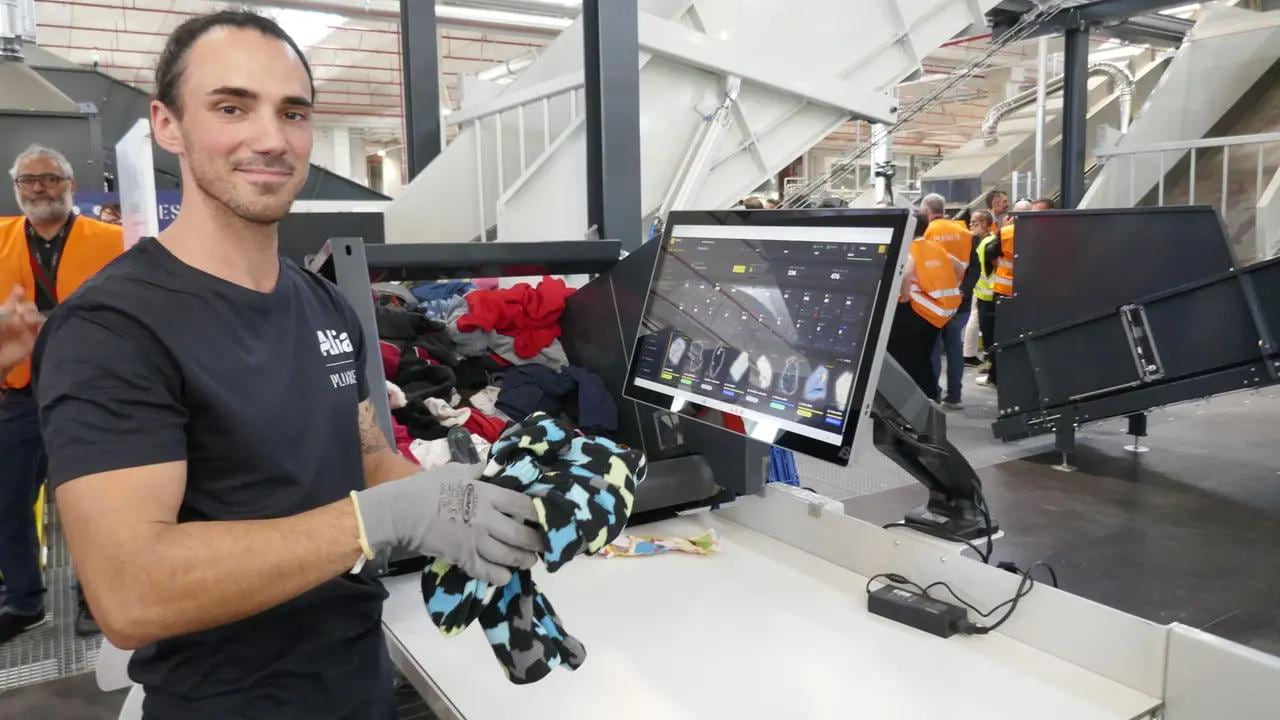
Textiles offer a useful test case. The sector already falls under the revised Waste Framework Directive, which sets rules on end-of-life management including extended producer responsibility, and under the Ecodesign for Sustainable Products Regulation. FashionUnited argues that the Circular Economy Act could help industrialise textile recycling and encourage recycled fibres, which would make collection, sorting, repair and reuse more profitable. It could also harmonise producer responsibility rules and fibre recycling standards across member states.

For companies in districts such as Prato, harmonisation would matter more than any single target. Today a recycler that sells across borders can meet different producer responsibility schemes and different waste rules in each country. A common approach would cut that complexity, and a functioning secondary raw materials market would give recycled fibres a more stable price.

The report leaves many questions open. It gives no figures or targets, no recycled-content percentages, no named officials, and no reactions from industry, campaigners or member states. It also describes no next steps after the presentation, such as the Parliament and Council process or an application timeline. Readers should treat the Circular Economy Act as a proposal in preparation, not as settled policy.

The week’s delay is a small matter in itself, but it raises the stakes for 18 November. If the Commission delivers concrete measures on secondary raw materials, waste shipments and recycled demand, the Circular Economy Act could give recyclers the market signal they have long requested. If it offers only broad aims, the sector will keep waiting.