Kiruna: The RESourceEU action plan gives the Union a toolkit to cut its dependence on imported critical raw materials, and its first deadlines are now arriving in 2026. The Commission adopted the plan in December 2025 as a follow-up to the Critical Raw Materials Act, citing what it called the weaponisation of critical raw materials by dominant market players.
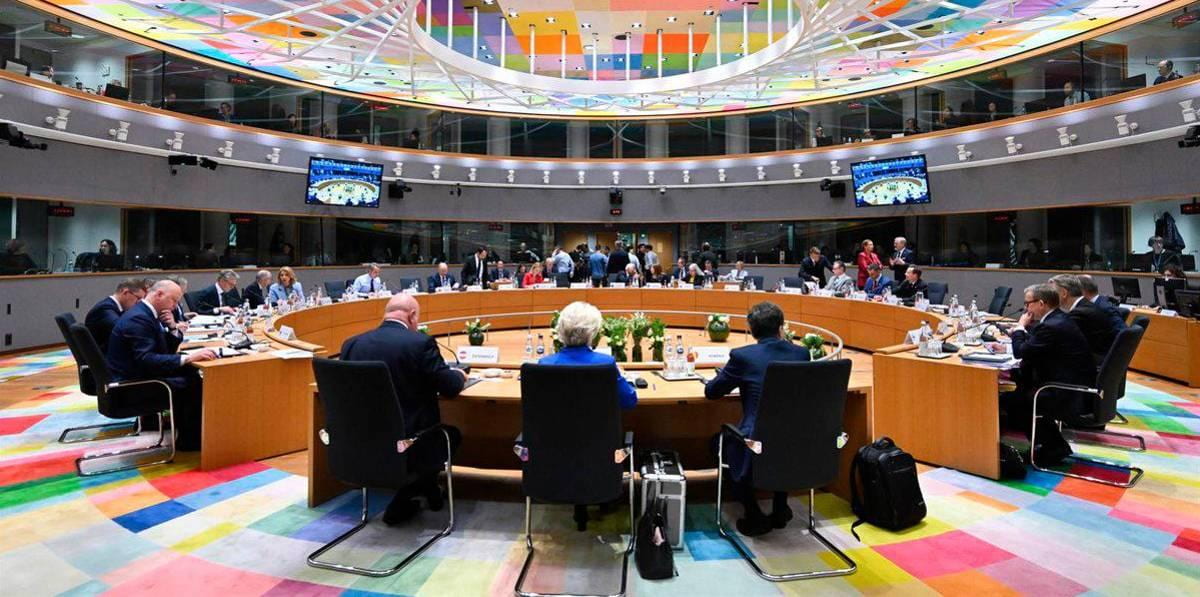
Executive Vice-President Stéphane Séjourné described the RESourceEU action plan as an engine of industrial sovereignty and a cornerstone of Europe’s economic security. The plan targets sectors including automotive, industrial motors, defence, aerospace, and AI chips and data centres, and it promises to de-risk investment and fast-track permitting for strategic projects.
Money and institutions come next, though here the reporting rests on one outlet. Mining Journal says the plan carries up to €3 billion of funding for 2026 and €2.15 billion for a group of the 60 strategic projects already named under the Act. It also reports a €250 million European Investment Bank loan for Vulcan Energy’s German lithium project. The Commission summary I reviewed does not repeat those figures, so they need checking against the official press release.
A European Critical Raw Materials Centre is the most novel idea in the RESourceEU action plan. According to the same report, it would be modelled on Japan’s JOGMEC, finance projects alongside private and public investors, produce market intelligence, and jointly buy and stockpile primary and secondary materials. A Raw Materials Platform would help companies pool demand, buy jointly and secure offtake agreements. I found no confirmation of a separate stockpiling pilot.
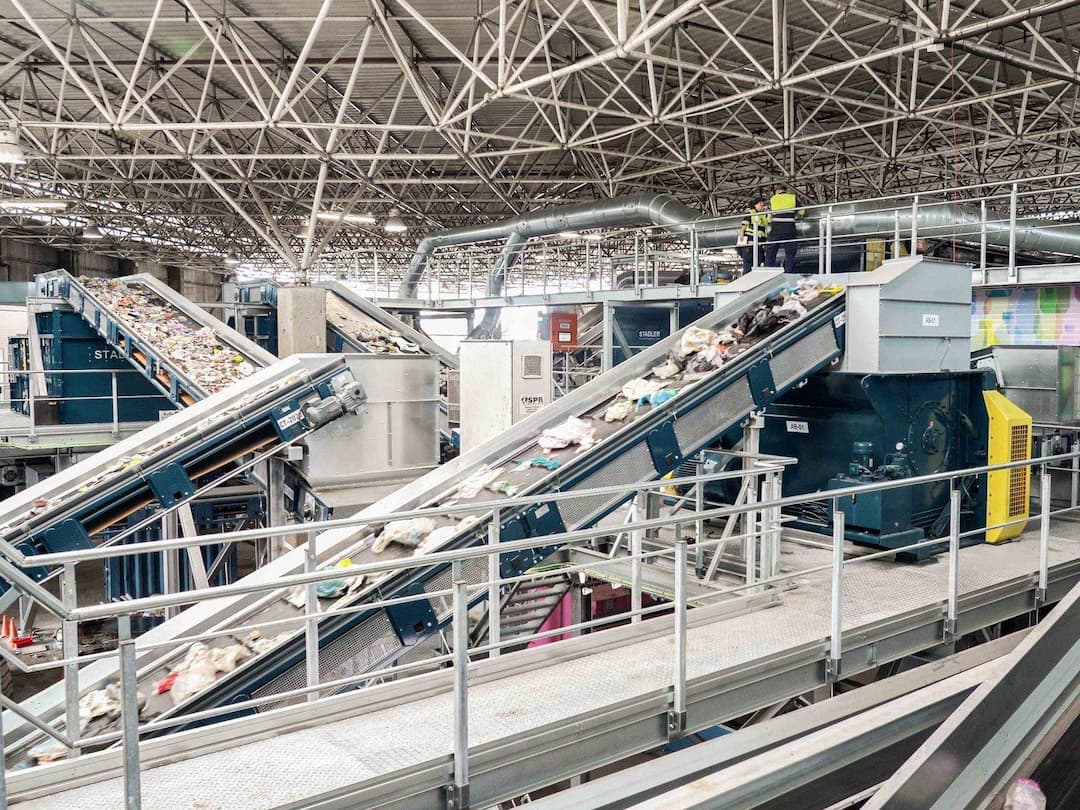
Scrap is the second front of the RESourceEU action plan. Mining Journal reports that exports of scrapped permanent magnets and aluminium would face restrictions in early 2026, with copper possibly added, and that exports of waste lithium-ion batteries and black mass to non-OECD countries would be banned from September 2026. The Commission also plans to amend the Critical Raw Materials Act with labelling rules and incentives to recycle magnet waste. Such steps keep valuable material inside Europe, which recyclers such as Finland’s Hydromet could welcome.
Diplomacy completes the picture. The report says the Union has concluded 15 partnership agreements, most recently with South Africa, and names Brazil as the next target. Integrated value chains in Ukraine, the Western Balkans and the Southern Neighbourhood are to receive investment frameworks. Greenland Resources’ Malmbjerg molybdenum mine is named as a priority project that could satisfy a quarter of EU molybdenum demand.
Critics will ask whether permitting speed and recycling rules can lift output fast enough. Mines take years to open, and companies that rely on a single supplier cannot wait. The RESourceEU action plan answers with finance, stockpiles and trade rules, yet its success depends on member states that control permits and budgets.
Three signals will show whether it works. Industry will look for the first projects funded from the €3 billion, for confirmation that the black mass export ban started in September, and for the Centre’s legal basis. If they arrive, the RESourceEU action plan will become a working part of economic security; if they do not, it will remain a list of intentions.