Brussels: The European Environment Agency argues that Europe’s economic strength depends on healthy ecosystems, and it set out that case in a report titled Competitive by nature, published on 13 October 2026. The full title is Competitive by nature: Europe’s long-term competitiveness through the lens of sustainability. It lists six no-regret options that could strengthen the economy while protecting nature.
The agency starts from a blunt premise. Geopolitical instability, technological disruption and climate change are all threatening Europe’s future, and growth built on resource depletion will not hold. The Competitive by nature report treats nature restoration and social capital as central to long-term stability rather than as costs to be traded off against output.
The first option is leadership on sustainable standard-setting. The EU single market can shape global rules from chemicals to carbon emissions, and the agency wants Europe to stay active in international bodies. That ambition meets a difficult backdrop, because nearly 200 nations pledged at COP28 in 2023 to move away from fossil fuels, yet a new fossil fuel agreement is considered unlikely at COP31 in Türkiye next month.
The second option in Competitive by nature is public trust. Climate policy has become politically divisive in several member states, with disputes over costs, farming rules and red tape. The agency says clear, predictable regulation helps, because companies invest more readily when rules are stable and citizens back the transition when they believe rules are applied fairly.
Skills come third in the Competitive by nature list. A recent EEA analysis found that clean energy is creating jobs across the EU but faces bottlenecks in workforce availability and training. The report calls for investment in education and lifelong learning, spread across all demographic groups to support social cohesion.
The fourth and fifth options cover technology and resources. The agency says artificial intelligence can help track materials through supply chains, manage variable renewable power on the grid and monitor environmental damage in real time, although energy- and water-hungry data centres remain a concern. The EU Digital Product Passport launched in July and will first apply to batteries from February 2027. Supply shocks, including disruption in the Strait of Hormuz, showed how exposed Europe is on imported materials and energy, and the agency says circularity can reduce demand for primary materials.
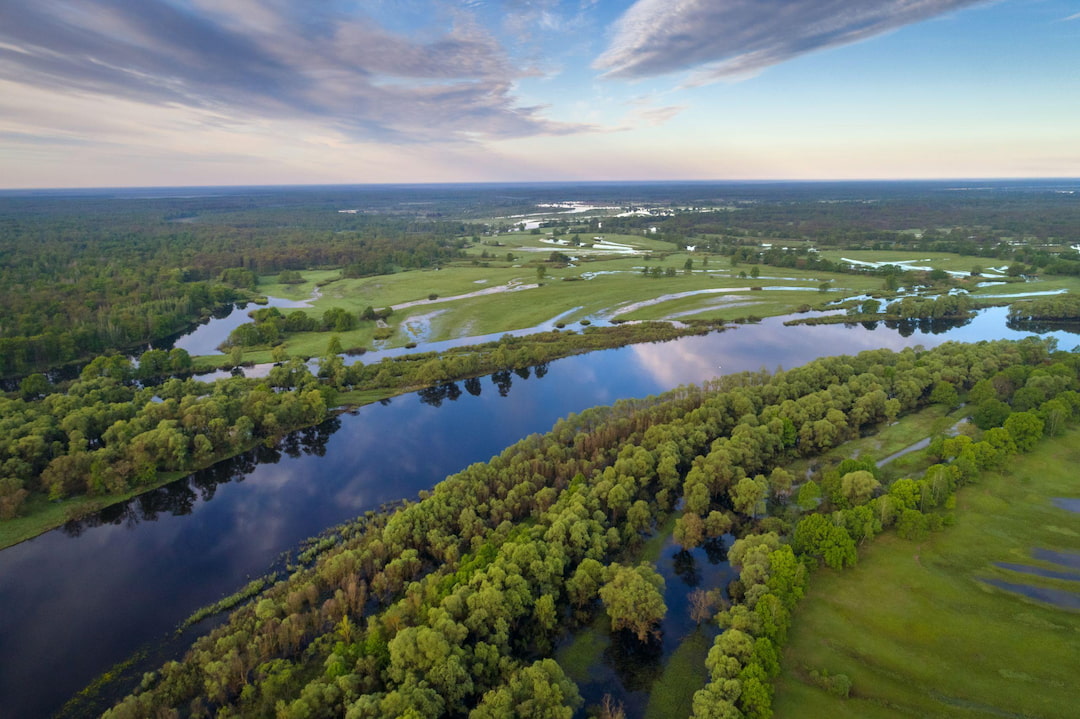
The sixth option is climate adaptation. Europe is warming faster than any other continent, and the agency calls adaptation an economic necessity. It recommends nature-based solutions such as restoring wetlands and floodplains and adding urban green space.
The timing is pointed. The EU faces pressure to simplify its green rules in the name of competitiveness, and the Competitive by nature report answers that debate directly: sustainability can reinforce competitiveness rather than undermine it.