
Cork: In the pharmaceutical plants that ring Ireland’s southern coast, managers have spent months reading draft legislation that will reshape their industry. Europe is finalising its biggest medicines reform in more than two decades, and formal adoption is expected this summer.
The pharma package rewrites the rules that govern how drugs reach European patients. Negotiators from the Council and the Parliament struck their political deal in December, member states confirmed the compromise texts in March, and the final votes now clear the last procedural hurdles.
The reform chases two goals that often pull against each other. It wants medicines to reach patients faster and more cheaply, and it wants Europe to stay an attractive place to invent them. Balancing those aims dominated three years of hard bargaining.
One headline change lets generic manufacturers prepare their versions of a drug before the original’s protections expire, so cheaper copies can appear the day a monopoly ends. Patient groups have pushed for the measure for years; the branded industry fought it just as long.
To counter fears that Europe is turning hostile to innovation, the package offers a new reward for companies that develop priority antibiotics. A firm that brings a needed drug to market can earn an extra year of protection on another product, a voucher designed to fight antimicrobial resistance.
The reform also trims the standard period of regulatory data protection while letting companies earn it back by launching a medicine across all member states, not just the richest. That link between protection and access aims to end the long waits patients in smaller markets endure.
Industry groups warn that the arithmetic could still push research elsewhere, pointing to the United States and Asia as rivals courting the same laboratories. Governments counter that predictable rules and a single market of 450 million people remain a powerful draw.
The reform reaches beyond pricing and patents. It obliges companies to flag looming shortages earlier and to hold larger stocks of critical medicines, a response to the empty pharmacy shelves that scarred the Union during recent supply shocks. National regulators gain new powers to demand information and to coordinate when a drug runs short.
Smaller firms watch the detail closely. The package promises lighter administrative burdens and faster scientific advice for start-ups and academic spin-outs, the kind of ventures Cork and its rivals hope will seed the next generation of European treatments.
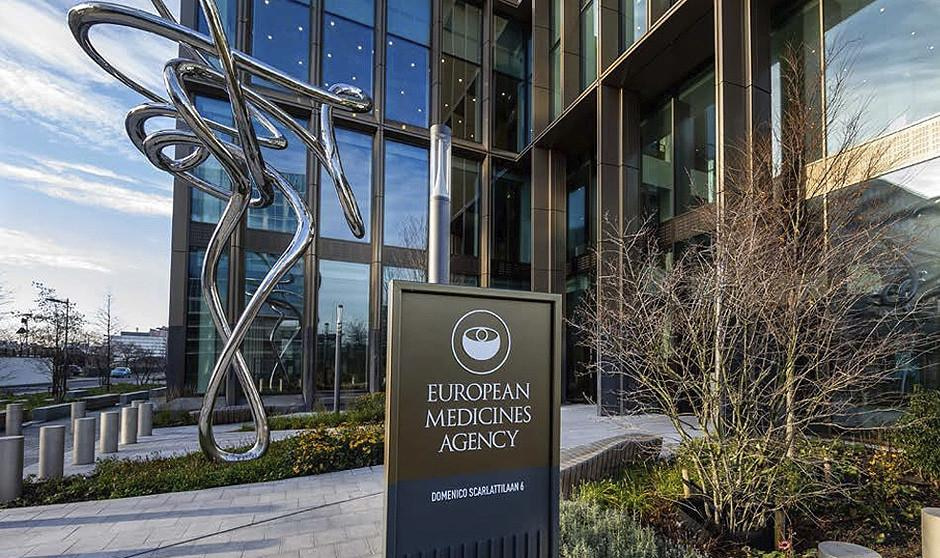
The European Medicines Agency has published its own guide to the reform of the pharmaceutical legislation, and companies from Cork to Copenhagen are already redrawing their plans. Once the texts appear in the Official Journal, the long transition to the new regime begins.


