August 7, 2026
LATEST
New Zealand Trade With Europe Hits a Record in Its First YearEurope Locks Chinese Medical Devices Out of Its Public TendersHow Far Can Europe and Japan Take Their New Security Pact NowSeoul’s Gamble on Europe’s Research Money Is Starting to Pay OffEurope Freezes Its Retaliatory Tariffs on the US IndefinitelyAir Passenger Rights Get Their First Big Rewrite in 20 YearsFive Joint Defence Projects Win Brussels Backing and Shared CashTobacco Tax Overhaul Stalls as Governments Block UnanimityCritical Medicines Act Heads for Final Adoption This AutumnMoldova Accession Reaches Its Foreign-Policy ChapterMercosur Tariffs Fall as Europe’s Farmers Watch the GaugesWhy Europe’s Digital Fairness Act Worries Online RetailersErasmus+ Faces a Budget Fight Before Its 2028 RelaunchMedia Freedom Rules Turn One as Enforcement LagsPlatform Work Rules Push Member States Toward a December ReckoningSingle Ticket Plan Would Let One Booking Cover Europe by RailHungary Races an August Deadline to Unlock Its Recovery FundsCapitals Race a September Deadline to Restore NatureEuro-Zone Inflation Nudges Back Up as Energy Bills ClimbRed Bull Case Tests a New Frontier in EU AntitrustNew Zealand Trade With Europe Hits a Record in Its First YearEurope Locks Chinese Medical Devices Out of Its Public TendersHow Far Can Europe and Japan Take Their New Security Pact NowSeoul’s Gamble on Europe’s Research Money Is Starting to Pay OffEurope Freezes Its Retaliatory Tariffs on the US IndefinitelyAir Passenger Rights Get Their First Big Rewrite in 20 YearsFive Joint Defence Projects Win Brussels Backing and Shared CashTobacco Tax Overhaul Stalls as Governments Block UnanimityCritical Medicines Act Heads for Final Adoption This AutumnMoldova Accession Reaches Its Foreign-Policy ChapterMercosur Tariffs Fall as Europe’s Farmers Watch the GaugesWhy Europe’s Digital Fairness Act Worries Online RetailersErasmus+ Faces a Budget Fight Before Its 2028 RelaunchMedia Freedom Rules Turn One as Enforcement LagsPlatform Work Rules Push Member States Toward a December ReckoningSingle Ticket Plan Would Let One Booking Cover Europe by RailHungary Races an August Deadline to Unlock Its Recovery FundsCapitals Race a September Deadline to Restore NatureEuro-Zone Inflation Nudges Back Up as Energy Bills ClimbRed Bull Case Tests a New Frontier in EU Antitrust
August 7, 2026
LATEST
New Zealand Trade With Europe Hits a Record in Its First YearEurope Locks Chinese Medical Devices Out of Its Public TendersHow Far Can Europe and Japan Take Their New Security Pact NowSeoul’s Gamble on Europe’s Research Money Is Starting to Pay OffEurope Freezes Its Retaliatory Tariffs on the US IndefinitelyAir Passenger Rights Get Their First Big Rewrite in 20 YearsFive Joint Defence Projects Win Brussels Backing and Shared CashTobacco Tax Overhaul Stalls as Governments Block UnanimityCritical Medicines Act Heads for Final Adoption This AutumnMoldova Accession Reaches Its Foreign-Policy ChapterMercosur Tariffs Fall as Europe’s Farmers Watch the GaugesWhy Europe’s Digital Fairness Act Worries Online RetailersErasmus+ Faces a Budget Fight Before Its 2028 RelaunchMedia Freedom Rules Turn One as Enforcement LagsPlatform Work Rules Push Member States Toward a December ReckoningSingle Ticket Plan Would Let One Booking Cover Europe by RailHungary Races an August Deadline to Unlock Its Recovery FundsCapitals Race a September Deadline to Restore NatureEuro-Zone Inflation Nudges Back Up as Energy Bills ClimbRed Bull Case Tests a New Frontier in EU AntitrustNew Zealand Trade With Europe Hits a Record in Its First YearEurope Locks Chinese Medical Devices Out of Its Public TendersHow Far Can Europe and Japan Take Their New Security Pact NowSeoul’s Gamble on Europe’s Research Money Is Starting to Pay OffEurope Freezes Its Retaliatory Tariffs on the US IndefinitelyAir Passenger Rights Get Their First Big Rewrite in 20 YearsFive Joint Defence Projects Win Brussels Backing and Shared CashTobacco Tax Overhaul Stalls as Governments Block UnanimityCritical Medicines Act Heads for Final Adoption This AutumnMoldova Accession Reaches Its Foreign-Policy ChapterMercosur Tariffs Fall as Europe’s Farmers Watch the GaugesWhy Europe’s Digital Fairness Act Worries Online RetailersErasmus+ Faces a Budget Fight Before Its 2028 RelaunchMedia Freedom Rules Turn One as Enforcement LagsPlatform Work Rules Push Member States Toward a December ReckoningSingle Ticket Plan Would Let One Booking Cover Europe by RailHungary Races an August Deadline to Unlock Its Recovery FundsCapitals Race a September Deadline to Restore NatureEuro-Zone Inflation Nudges Back Up as Energy Bills ClimbRed Bull Case Tests a New Frontier in EU Antitrust

Fishing Fleets Back a Ban on Deep-Sea Mining as Ocean Act Nears

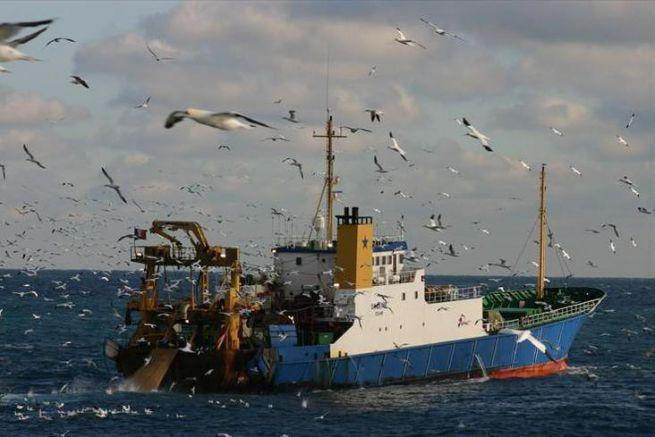
Vigo: Europe’s fishing industry has thrown its weight behind a hard line on deep-sea mining, urging Brussels to keep seabed minerals out of the single market as work on a new European Ocean Act gathers pace. From this Atlantic port, where distant-water fleets still land much of Spain’s catch, the message runs plain: the ocean floor should not become the next mineral frontier before science can measure the damage.

A coalition of Europe’s fisheries advisory councils has endorsed a proposed ban, arguing that nobody can yet prove that scraping the seabed will spare marine life. They point to the thin state of knowledge about deep ecosystems and the food webs that commercial stocks depend on.

The Commission has kept its own guard up. It continues to back a precautionary pause on seabed exploitation until international rules can genuinely protect the marine environment. A recent legal analysis went further, concluding that the Union can lawfully block deep-sea minerals from reaching its market, a finding campaigners now wave in front of lawmakers.

All of this feeds into the European Ocean Act, the flagship law the Commission promises to table by the end of the year. A public consultation on the plan closed on 16 July, drawing in coastal communities, scientists, ports and industry. Officials want the Act to pull the tangle of rules covering fisheries, marine protection, the blue economy and ocean governance into a single framework.

Fishers see both promise and risk. Many welcome stronger habitat protection, since healthy seabeds underpin the stocks they chase. Others fear that a sprawling new law could pile fresh restrictions on a fleet already squeezed by shrinking quotas and rising fuel costs. Balancing those anxieties will test the drafters.

The mining question sharpens the debate. As demand for battery metals climbs, some governments and firms eye the polymetallic nodules that litter the deep ocean. The industry casts them as a route to resource security; fishers and conservation groups warn that a single mistake at the bottom of the sea could take generations to undo.

Brussels holds tools beyond a simple ban. It can set market rules, tie access to environmental standards, and shape the international negotiations where seabed licences are decided. The fisheries councils want the Ocean Act to lock those levers in place rather than leave them to shifting political winds.

The Commission has laid out its consultation and timeline on its oceans portal, and the fishing sector’s backing for the mining ban has drawn wide coverage across the seafood trade.

By year’s end the draft Act will show whether Europe treats its seas as a shared resource to guard or a stock to spend. For the crews working out of Vigo, that choice reaches all the way down to the seabed.