Aachen: The Horizon Europe budget for 2028 to 2034 is heading into the hardest stretch of negotiation, with the research programme’s successor, known as FP10, caught between ambitious science ministers and cost-cutting finance ministries. Research Commissioner Ekaterina Zaharieva told Science Business in an interview held on 30 July 2026 that she hopes for a deal before the end of the year so the programme can start on 1 January 2028. The calendar is tight, and the wider budget fight makes it tighter.
Money is the first problem for the Horizon Europe budget. The Commission proposed a 2028 to 2034 EU budget of €1.76 trillion in 2025 prices, and a figure floated by the Cypriot presidency in June 2026 came to €1.73 trillion. In that version the Horizon Europe budget falls by 4 percent, from €154.9 billion to €148.6 billion.
Political pressure points the same way. German Chancellor Friedrich Merz has called for cuts across all areas of the budget totalling several hundred billion euros. Researchers fear that a programme with no national constituency will lose out when finance ministers start trimming.
Governance is the second problem. The Council reached a partial agreement in June 2026 that gives governments a greater say in setting priorities, although reports say it does not stray far from the Commission’s proposal. Parliament’s lead rapporteur, German MEP Christian Ehler, wants programming decisions moved towards expert councils, and rapporteurs tabled hundreds of amendments. The Commission says it stands by its original text.
The timetable shows how little slack remains. Parliament’s research committee was scheduled to vote on its FP10 report on 10 September 2026, with a plenary first reading pencilled in for October, though one account puts the plenary vote at the end of that month. Trilogues between Parliament, Council and Commission were expected to start in mid-October, and the Horizon Europe budget cannot be fixed before the broader budget package takes shape.
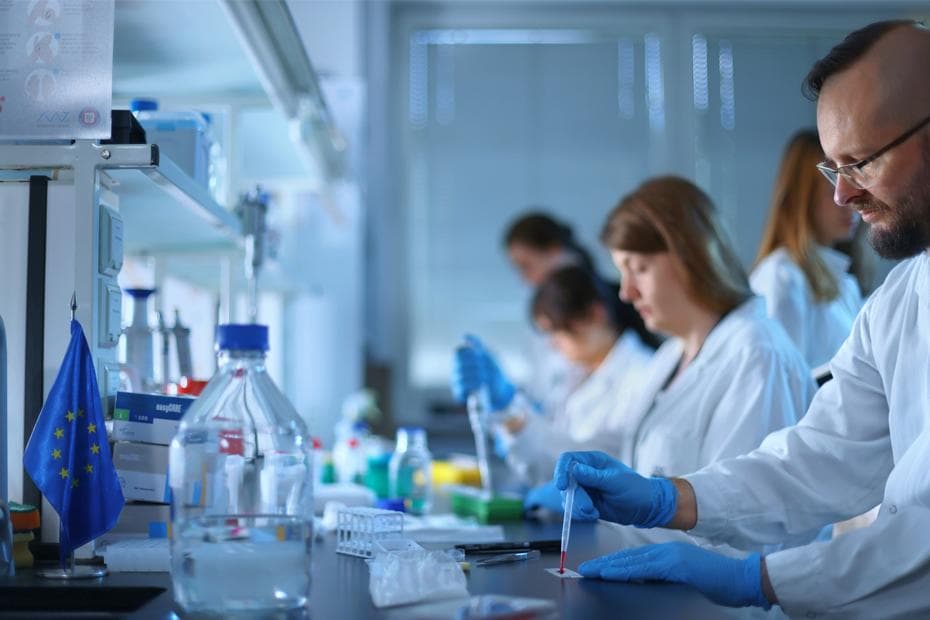
Universities and research bodies are watching for two signals. The first is whether the final Horizon Europe budget stays close to the Commission’s €154.9 billion or settles nearer the lower number in the presidency paper. The second is whether national governments win real control of priorities, which could slow calls and weaken the independence that research funders value.
Zaharieva’s goal of a deal by the end of 2026 now looks ambitious. Even so, an early agreement on FP10 would give laboratories the certainty to plan for 2028, and the Horizon Europe budget will be the number that decides whether that certainty comes with enough money.