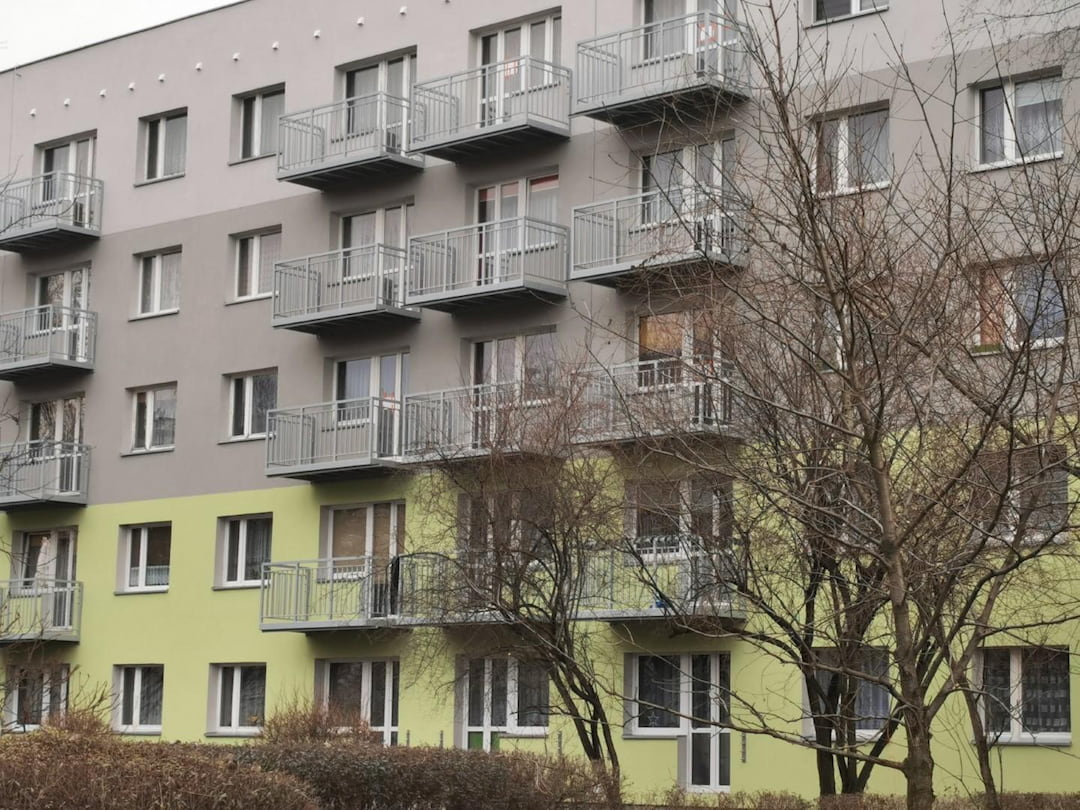
Katowice: Cohesion funds for housing received strong backing from the European Parliament on 20 October 2026, when members voted 601 to 20, with 36 abstentions, for a non-binding report by member Nesci. The text asks the EU to make it easier to spend regional money on affordable homes and on climate-proofing cities.
The report arrives as housing costs weigh on European households. It argues that regional policy is one of the few EU tools large enough to make a difference, and it cites cohesion funds worth 48.03 billion euros for the 2021 to 2027 period as the starting point for what could be directed to housing needs.
In practical terms, cohesion funds for housing could pay for renovation of existing buildings, new affordable units and measures that protect residents from heat or flooding. Parliament wants managing authorities to have clearer rules, so that regions can plan multiyear projects without fear that housing spending will be questioned later.
Cohesion funds for housing are also tied to the next long-term budget. Sixteen member states oppose the Commission’s proposed cuts to regional funding for 2028 to 2034, as cited in the debate, and the vote gives Parliament a position to take into that negotiation.
The report on cohesion funds for housing is not law, and the Commission is not obliged to follow it. Even so, the margin of 601 votes in favour sends a clear political signal that a large majority across groups wants housing to sit alongside transport, energy and employment as a core use of cohesion money.
Such an approach matters because regions differ widely in housing pressure. Large cities face rising rents, while rural areas deal with empty buildings, and the report asks for flexibility so that cohesion funds for housing can reflect those differences.
The vote also shows how far the debate has moved. Only a few years ago, regional funds were discussed mainly in terms of roads, railways and business support. Members now argue that a home is part of the basic infrastructure of a region, and that people who cannot afford one will not stay to work in local firms, schools or hospitals.
Supporters say the approach would let local authorities combine housing with climate adaptation, for example by retrofitting buildings against heat and flooding. Mixing goals raises the question of how regional priorities are ranked, a debate the plenary vote does not resolve.
Housing is moving up the EU agenda, and the report adds a regional funding angle to that conversation.
As negotiations on the 2028 to 2034 budget proceed, the question is whether cohesion funds for housing will become a binding part of the regulation or stay a recommendation. The strong October vote makes it harder for governments to ignore.