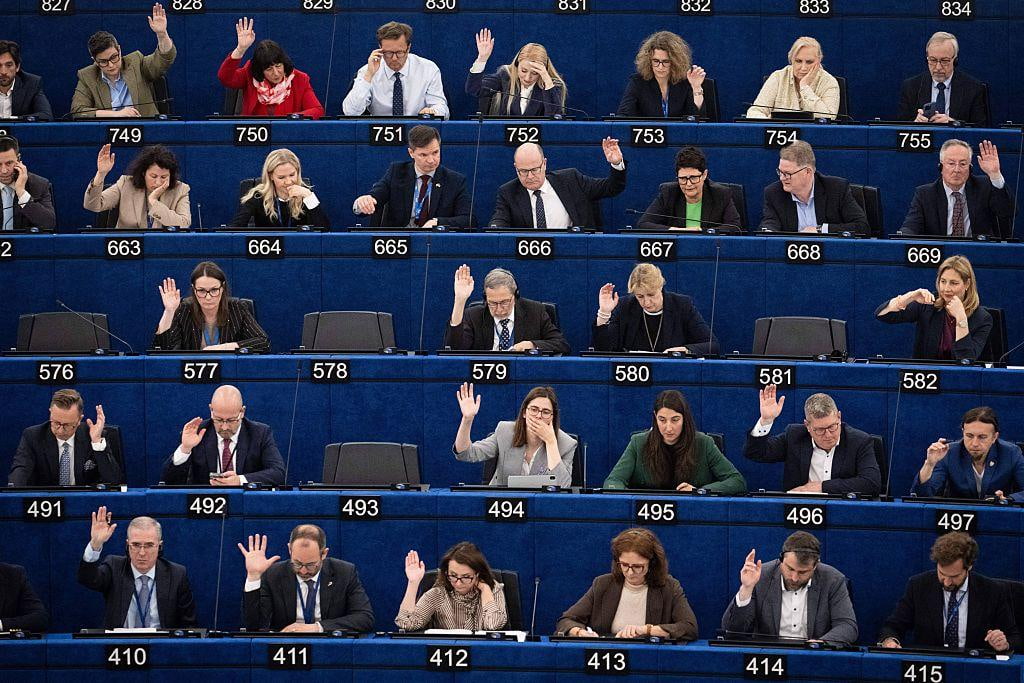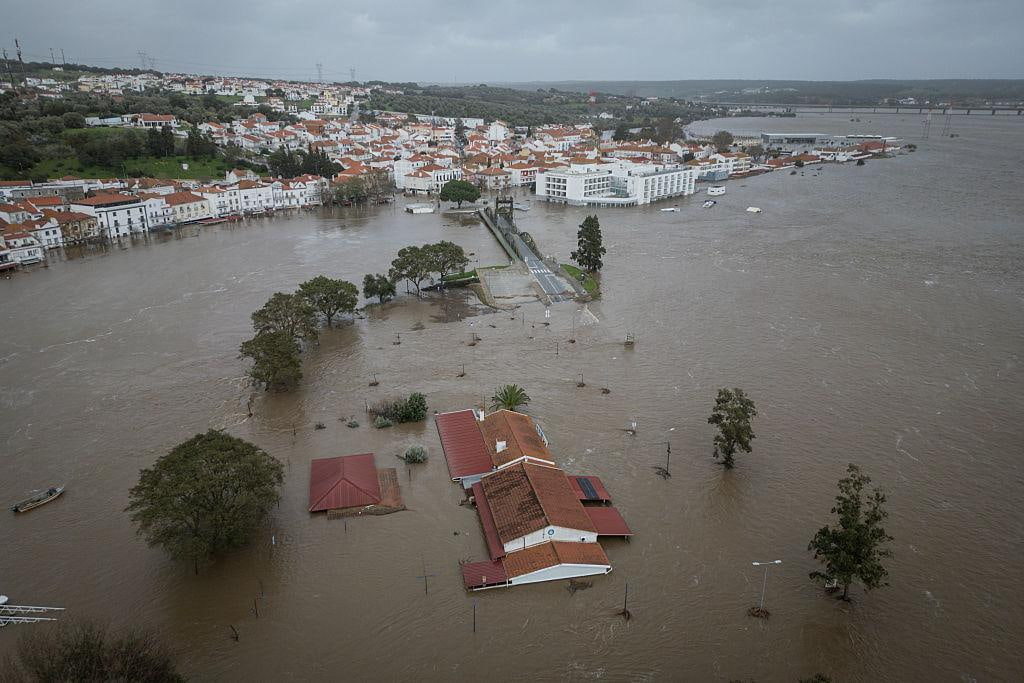
Lisbon: The EU Solidarity Fund will release 489 million euros to four member states after the European Parliament approved the aid on Wednesday 21 October 2026 by 651 votes to 17, with 3 abstentions. Portugal, Spain, Italy and Malta applied for help after severe storms hit them earlier this year.
Portugal receives the largest share at 261.5 million euros, which includes an advance of 65.37 million euros that Lisbon has already received. Spain is due 149.1 million euros, including an advance of 37.26 million euros. Italy would get 74.9 million euros, and Malta 3.7 million euros, which also includes an advance.
The applications trace back to two sets of events. Malta and Italy asked for support after storm Harry in January 2026. Portugal and Spain applied after a series of storms and serious flooding across January and February 2026. The Commission proposed the package on 17 September, and Parliament’s vote moved it a step closer to payment.
The EU Solidarity Fund pays for emergency response and repair rather than for compensating private losses. Eligible costs include restoring energy, water, wastewater, telecommunications and transport networks, and bringing health and education services back into use. The money can also finance clean-up work, temporary housing, rescue operations, and the protection of preventive infrastructure and cultural heritage.
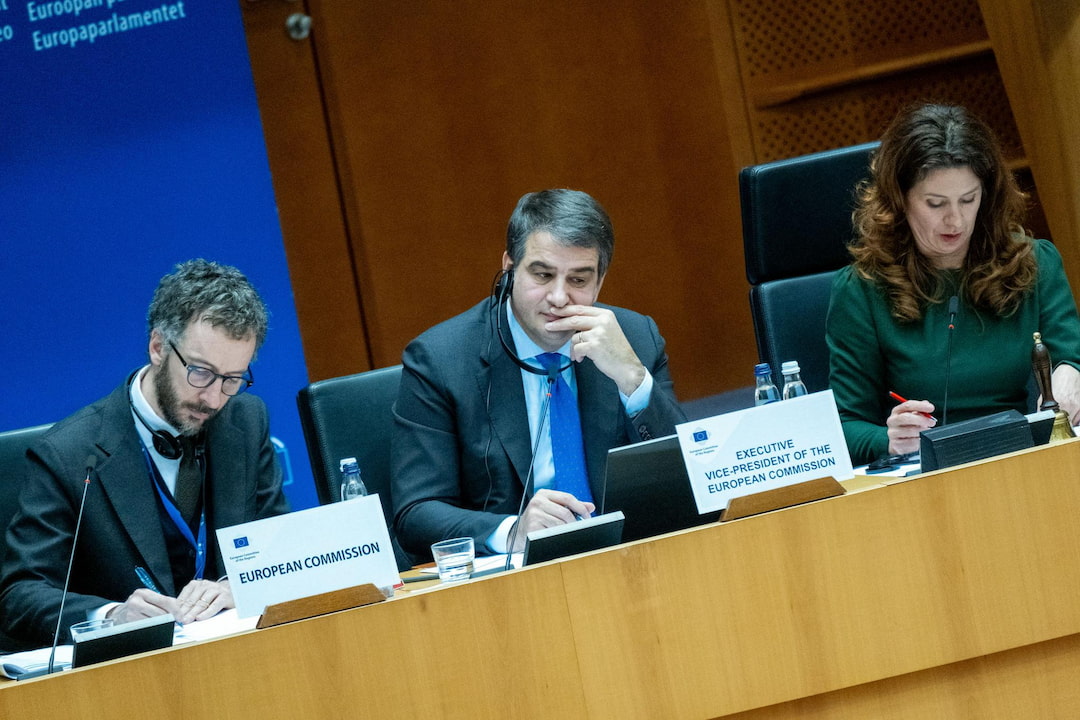
The vote does not finish the process. Mobilising the fund also needs approval from the Council, which represents national governments, before the remaining payments can reach the four countries. Parliament used the debate to press a further point, arguing that Solidarity Fund activities should stay adequately financed in the next multiannual financial framework.
That demand carries weight because climate-related disasters keep growing in frequency. Set up in 2002, the fund has provided more than 11 billion euros for about 150 disaster events. Each new storm season tests how far the budget can stretch, and cohesion advocates worry that merging funds in the next budget could weaken dedicated disaster support.
Disaster funding also carries a political dimension in a year of budget talks. Governments that benefit from the EU Solidarity Fund often argue for a larger and faster instrument, while net contributors want strict limits, so every approval becomes a data point in the next financial framework debate. Parliament made clear that the EU Solidarity Fund needs a secure place in the budget.
For local authorities in the affected regions, the outcome brings relief but also a waiting period. Mayors and regional governments must document spending, and they must finish the work within the deadlines that apply to the fund. The EU Solidarity Fund remains a reimbursement tool, so national budgets carry the first costs, and the final payment depends on correct reporting after the Council approves.