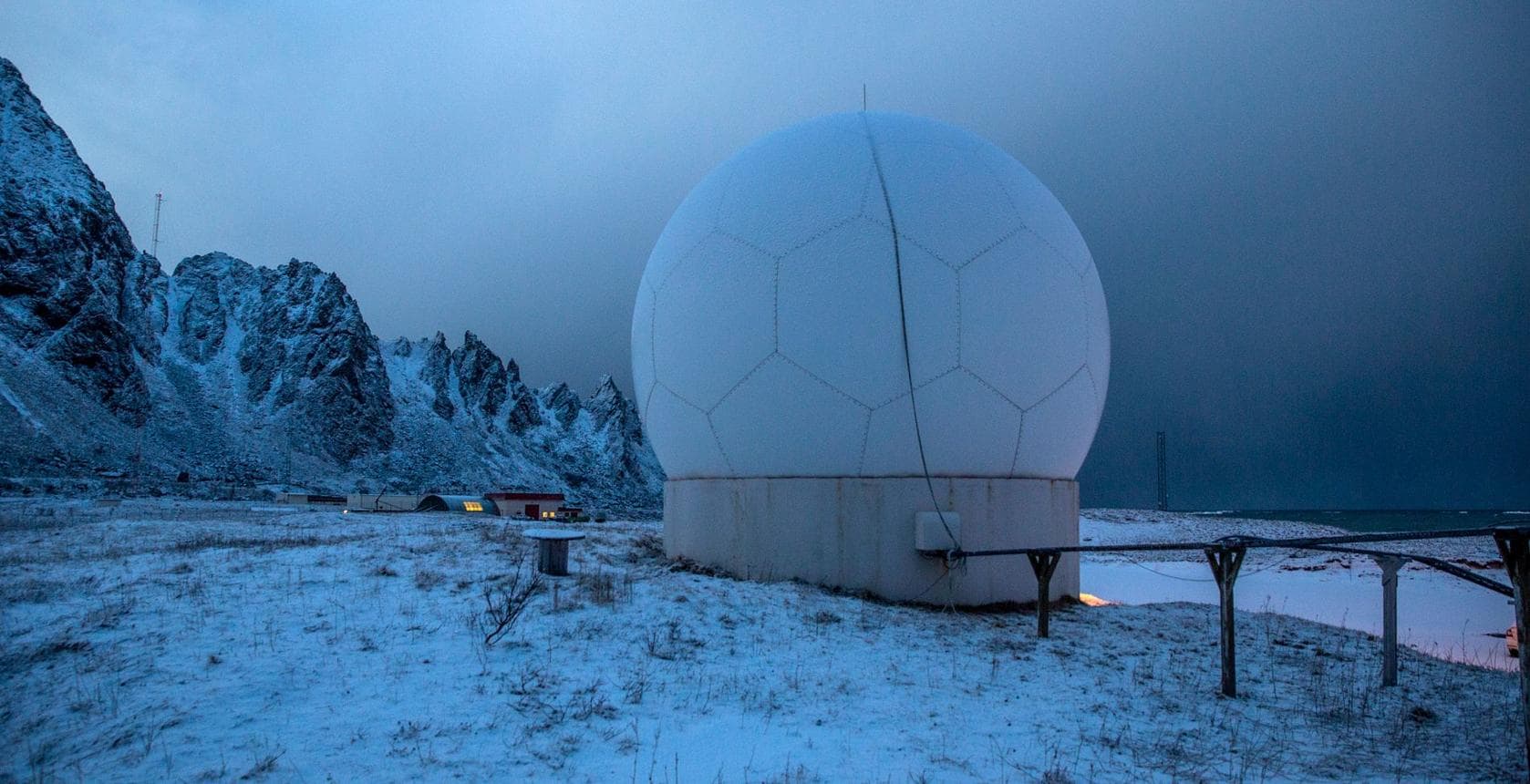
Andøya: Galileo signal authentication moved from laboratory concept to field demonstration on 16 September 2026, when five satellites of Europe’s navigation constellation broadcast encrypted signal components during a two-hour test and receivers on this Arctic island off northern Norway used them to calculate a trusted position while being deliberately spoofed. The European Space Agency and the EU Agency for the Space Programme, EUSPA, describe the result as the first civil authenticated position fix obtained under spoofing conditions, and a milestone on the road to the planned Galileo Signal Authentication Service.
The test matters because satellite navigation interference is no longer an abstract risk. Airlines, shipping operators and national authorities around the Baltic and the Black Sea have reported widespread jamming and spoofing since 2022, and a receiver that is fed counterfeit signals can display a plausible but false location without any warning. In the Andøya trials, conventional receivers were pushed into reporting incorrect positions, while the authentication-capable receiver held a verified solution.
Galileo already offers part of the answer. Open Service Navigation Message Authentication, known as OSNMA, lets compatible receivers confirm that the navigation data they receive genuinely comes from Galileo, and EUSPA declared its initial service operational on 24 July 2025. But message authentication does not verify the ranging measurements, the travel-time signals from which a receiver computes its distance to each satellite. Galileo signal authentication closes that gap. A receiver records a short sample of an encrypted transmission and, once the relevant key information is released, checks it against the expected sequence, so that both the data and the measurements used in a position fix can be trusted.
The distinction between trust and availability runs through the programme. Authentication can reveal that a position is being manipulated, but it cannot keep a receiver working when signals are jammed outright. EUSPA’s own guidance separates the two problems, and engineers expect future equipment to report distinct states for a verified position, an unverified one and no position at all, so that pilots, ship crews and control systems know which they are relying on.
Deployment will take time. EUSPA has identified 2027 for the initial declaration of the Signal Authentication Service, and ESA has described validation and accreditation work that must be completed first. Industry adoption of OSNMA offers a guide to what follows: over the past year manufacturers have built message authentication into professional receivers, including timing equipment used by telecoms and energy networks, and EUSPA-supported pilots have tested authenticated tracking on Romanian Border Police vessels.
The policy context gives the work added weight. The EU Space Programme regulation treats Galileo as critical infrastructure, and the proposed EU Space Act and the Commission’s broader push for strategic autonomy both rest on the idea that Europe must be able to guarantee its own positioning, navigation and timing services. A civilian authentication layer, available free to users, would set Galileo apart from other global systems at a moment when spoofing incidents are rising.
For the moment, the Andøya demonstration proves capability rather than service. The next test for Galileo signal authentication will be written into procurement specifications, certification standards and receiver firmware, where the difference between a clever experiment and dependable infrastructure is ultimately decided.