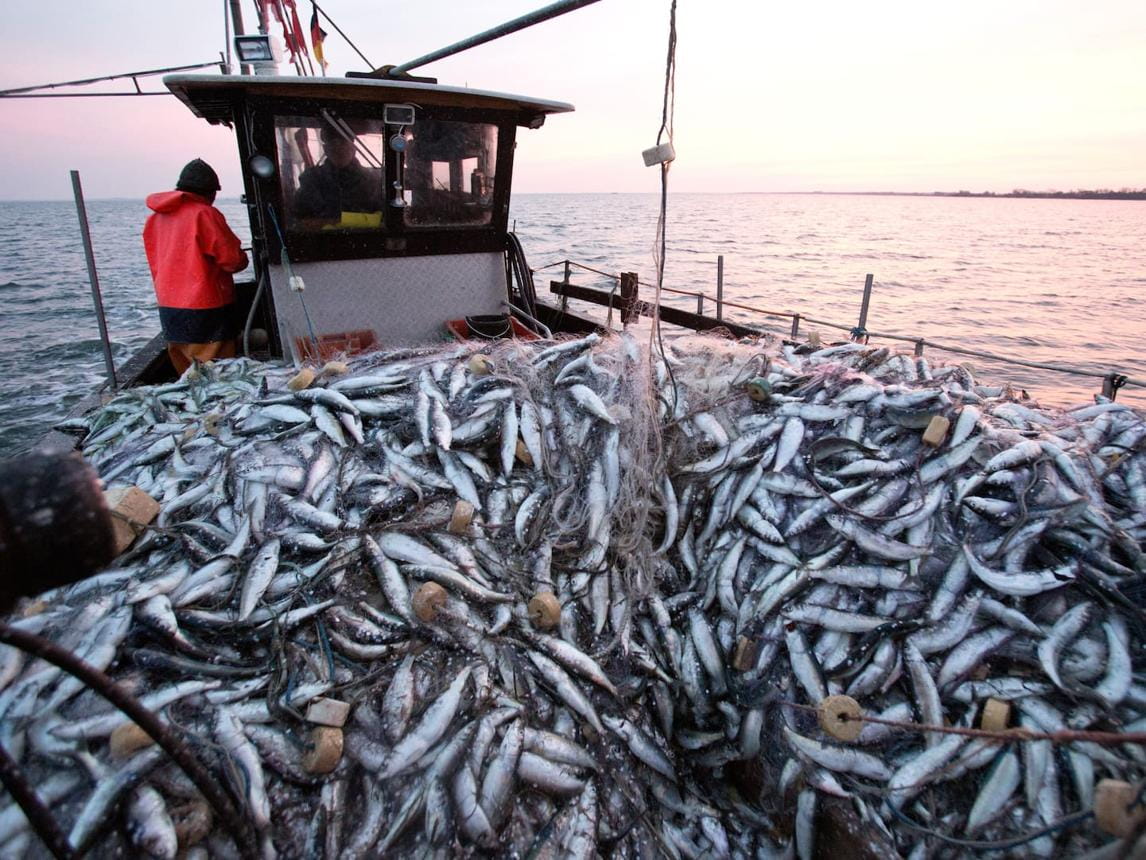
Simrishamn: Skippers on Sweden’s south-east coast will read the Commission’s 2027 proposal twice before believing it. After years of contraction, the headline herring quotas move sharply upward, and the pelagic fleet gains room it has not seen in a decade. The recovery stops abruptly when the text reaches cod.
The Commission proposes raising central Baltic herring by forty-nine percent, Gulf of Riga herring by eleven percent and Bothnian herring by three percent. Sprat gains forty-four percent. Plaice holds steady, as does salmon in the main basin and in the Gulf of Finland. Ten EU-managed stocks sit in the proposal, and the spread between them has rarely looked wider.
Cod tells the opposite story. Western Baltic cod by-catch allocations fall by eighty-eight percent and eastern Baltic cod by fifty-one percent. These are not fishing quotas in any meaningful sense; directed cod fishing in the Baltic ended years ago. They govern what a vessel may legally land when cod appears in a net aimed at something else, and cutting them that hard forces gear and ground changes rather than paperwork changes.
Scientific advice drives the split, and the underlying biology is not symmetrical. Pelagic stocks respond to good recruitment years within a few seasons. Eastern Baltic cod suffers from oxygen-depleted bottom water, parasite load and poor condition, and no quota decision fixes any of those. A fleet can recover; a habitat takes longer.
Coastal operators will argue that the by-catch cuts punish the wrong people. A small trawler working flatfish grounds cannot choose what swims into the net, and an eighty-eight percent reduction converts an unavoidable landing into an economic risk. Expect member states to press for flexibility mechanisms when ministers meet, and expect the Commission to resist on the grounds that flexibility is how the stock reached this point.
There is a counterweight worth stating plainly. Pelagic increases of this size carry their own risk, because herring and sprat feed the same ecosystem that cod depends on. Fishing the forage base hard while the predator stock sits near collapse is a coherent short-term choice and a questionable long-term one, and the advice supporting the increases treats each stock largely on its own terms.
Ministers reach political agreement at the Council on 26 and 27 October, with formal adoption following in November. Baltic files usually settle faster than Atlantic ones because fewer capitals hold a direct stake, and the Commission has published the technical basis through its fishing opportunities framework. The herring numbers will survive the meeting largely intact. The cod numbers will absorb most of the negotiating energy, and they will move less than the fleets hope.