September 16, 2026
LATEST
Six Billion in Promised Savings Rests on a Digital WalletAuditors Question the rescEU Budget Before the Fleet ArrivesDuty-Free Access for Armenian Exports Comes With a Conditions ListA Mirror Measure Closed Europe to Brazilian Meat in One DayEurope’s Creative Sectors Wait on an AI Strategy DraftSoftware Makers Face Europe’s Product Liability Deadline in DecemberMetro 3 Overran by 477 Percent and the Line Sits FrozenCage-Free Promises Land Before the Transport File Is FinishedTwo New Calls Will Test How Flexible Horizon Europe Really IsEurope’s Innovation Act Counts 10 Billion It Has Not Found YetProcurement Is the Chapter That Could Stall the Thailand DealMobility Week Returns With a Test of Intergenerational FairnessMinisters Debate the Chips Act Next Week With No Money AttachedTaiwan Wants Tax Treaties That Brussels Has No Power to SignNorth Korea Now Earns From Europe Without Shipping AnythingPalm Oil Is the Last Hard Question Before the Indonesia SigningCan One Year Deliver Both a Trade Deal and a Sea CodeVietnam Reached Europe’s Top Partnership Tier With Little DetailLeaked Draft Puts Europe’s Social Media Age Limit at FifteenFP10 Clears Committee and the Budget Gap Stays Wide OpenSix Billion in Promised Savings Rests on a Digital WalletAuditors Question the rescEU Budget Before the Fleet ArrivesDuty-Free Access for Armenian Exports Comes With a Conditions ListA Mirror Measure Closed Europe to Brazilian Meat in One DayEurope’s Creative Sectors Wait on an AI Strategy DraftSoftware Makers Face Europe’s Product Liability Deadline in DecemberMetro 3 Overran by 477 Percent and the Line Sits FrozenCage-Free Promises Land Before the Transport File Is FinishedTwo New Calls Will Test How Flexible Horizon Europe Really IsEurope’s Innovation Act Counts 10 Billion It Has Not Found YetProcurement Is the Chapter That Could Stall the Thailand DealMobility Week Returns With a Test of Intergenerational FairnessMinisters Debate the Chips Act Next Week With No Money AttachedTaiwan Wants Tax Treaties That Brussels Has No Power to SignNorth Korea Now Earns From Europe Without Shipping AnythingPalm Oil Is the Last Hard Question Before the Indonesia SigningCan One Year Deliver Both a Trade Deal and a Sea CodeVietnam Reached Europe’s Top Partnership Tier With Little DetailLeaked Draft Puts Europe’s Social Media Age Limit at FifteenFP10 Clears Committee and the Budget Gap Stays Wide Open
September 16, 2026
LATEST
Six Billion in Promised Savings Rests on a Digital WalletAuditors Question the rescEU Budget Before the Fleet ArrivesDuty-Free Access for Armenian Exports Comes With a Conditions ListA Mirror Measure Closed Europe to Brazilian Meat in One DayEurope’s Creative Sectors Wait on an AI Strategy DraftSoftware Makers Face Europe’s Product Liability Deadline in DecemberMetro 3 Overran by 477 Percent and the Line Sits FrozenCage-Free Promises Land Before the Transport File Is FinishedTwo New Calls Will Test How Flexible Horizon Europe Really IsEurope’s Innovation Act Counts 10 Billion It Has Not Found YetProcurement Is the Chapter That Could Stall the Thailand DealMobility Week Returns With a Test of Intergenerational FairnessMinisters Debate the Chips Act Next Week With No Money AttachedTaiwan Wants Tax Treaties That Brussels Has No Power to SignNorth Korea Now Earns From Europe Without Shipping AnythingPalm Oil Is the Last Hard Question Before the Indonesia SigningCan One Year Deliver Both a Trade Deal and a Sea CodeVietnam Reached Europe’s Top Partnership Tier With Little DetailLeaked Draft Puts Europe’s Social Media Age Limit at FifteenFP10 Clears Committee and the Budget Gap Stays Wide OpenSix Billion in Promised Savings Rests on a Digital WalletAuditors Question the rescEU Budget Before the Fleet ArrivesDuty-Free Access for Armenian Exports Comes With a Conditions ListA Mirror Measure Closed Europe to Brazilian Meat in One DayEurope’s Creative Sectors Wait on an AI Strategy DraftSoftware Makers Face Europe’s Product Liability Deadline in DecemberMetro 3 Overran by 477 Percent and the Line Sits FrozenCage-Free Promises Land Before the Transport File Is FinishedTwo New Calls Will Test How Flexible Horizon Europe Really IsEurope’s Innovation Act Counts 10 Billion It Has Not Found YetProcurement Is the Chapter That Could Stall the Thailand DealMobility Week Returns With a Test of Intergenerational FairnessMinisters Debate the Chips Act Next Week With No Money AttachedTaiwan Wants Tax Treaties That Brussels Has No Power to SignNorth Korea Now Earns From Europe Without Shipping AnythingPalm Oil Is the Last Hard Question Before the Indonesia SigningCan One Year Deliver Both a Trade Deal and a Sea CodeVietnam Reached Europe’s Top Partnership Tier With Little DetailLeaked Draft Puts Europe’s Social Media Age Limit at FifteenFP10 Clears Committee and the Budget Gap Stays Wide Open

Duty-Free Access for Armenian Exports Comes With a Conditions List

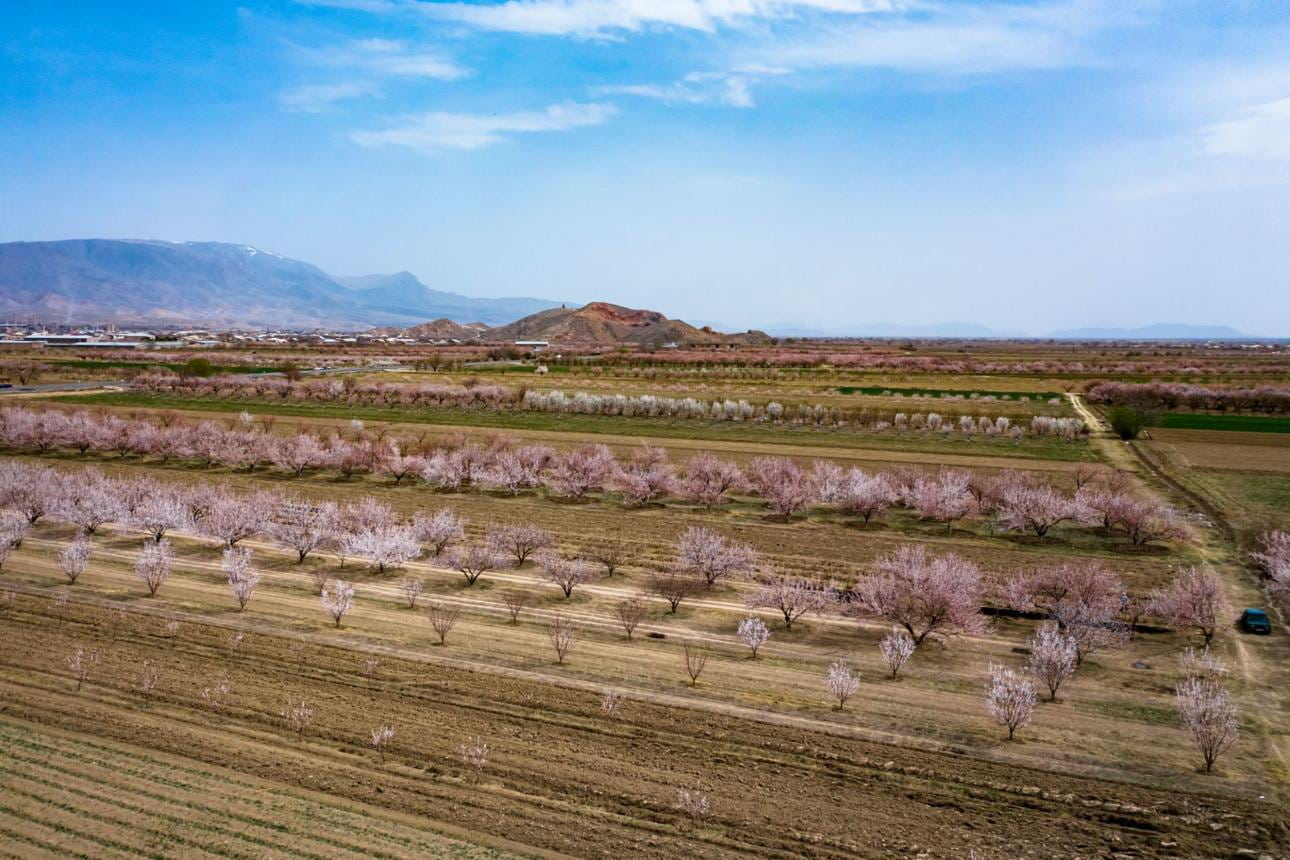
Armavir: Orchards in the Ararat valley send apricots, grapes and tomatoes north because Russia has bought them for generations and the logistics were settled long before anyone drew a European trade map. Moscow’s recent restrictions broke that arrangement, and on 2 September the Council answered by agreeing to suspend import duties on roughly 80 percent of Armenian exports for two years. The measure is temporary, conditional, and considerably more political than its technical title admits.

Ministers endorsed the Commission proposal without a single change, which rarely happens on trade files and signals that capitals wanted speed above negotiation. The Council text covers almost 99 percent of the fresh fruit, vegetables and plants Armenia previously sent to Russia, and more than 91 percent of its beverages and spirits. Selected agricultural goods still travel under tariff-rate quotas rather than free access, and safeguard clauses let Brussels close the tap if European growers suffer. Ireland’s Helen McEntee framed the decision as a response to economic coercion, and the framing is accurate, though it raises the harder question of whether preference substitutes for a market.

Substitution is not straightforward. Armenian producers built their supply chains around Russian buyers, Russian quality expectations, and rail and road corridors that run through the Caucasus rather than toward Rotterdam or Trieste. Duty-free treatment removes the tariff, which was often modest to begin with. It does not remove the cold chain problem, the certification problem, or the simple fact that a Yerevan exporter has no commercial relationship with a German retail chain. Two years is a short window in which to acquire all three.

The conditions attached are the part worth watching. Armenia keeps the preferences only while it respects rules of origin, cooperates administratively with European customs, refrains from imposing new restrictions on European goods, and upholds the essential elements of the Comprehensive and Enhanced Partnership Agreement, including democratic principles, the rule of law and human rights. That final clause converts a trade regulation into a governance instrument. Brussels has used conditionality this way with Ukraine, Moldova and Georgia, with results that varied enormously depending on how credibly the threat of withdrawal was understood in the capital concerned.

Yerevan reads the package alongside a visa liberalisation action plan handed over last November, carrying 74 benchmarks across travel documents, border management, public order and fundamental rights. The two tracks reinforce each other rhetorically and diverge sharply in pace. Tariff suspension takes effect the day after publication in the Official Journal. Visa benchmarks take years and can stall on a single institutional reform. An Armenian government that promises both to its electorate is promising two very different timetables under one European banner.

Parliament is expected to adopt its position without amendments during the September plenary, after which the Council approves and the regulation enters force. That procedural smoothness confirms the political consensus and conceals the strategic bet underneath. Europe is telling a small, landlocked economy that it can survive the loss of its principal market by reorienting westward, and it is offering 24 months of duty relief to prove the claim. If Armenian exporters use the window to build durable European customers, the measure becomes the foundation of a deeper arrangement. If they cannot, the preferences lapse in 2028 and Yerevan will have absorbed real commercial damage for a partnership that offered generosity with an expiry date.

The distinction between those outcomes will be settled in logistics warehouses and retail buying offices, not in the Justus Lipsius building.